

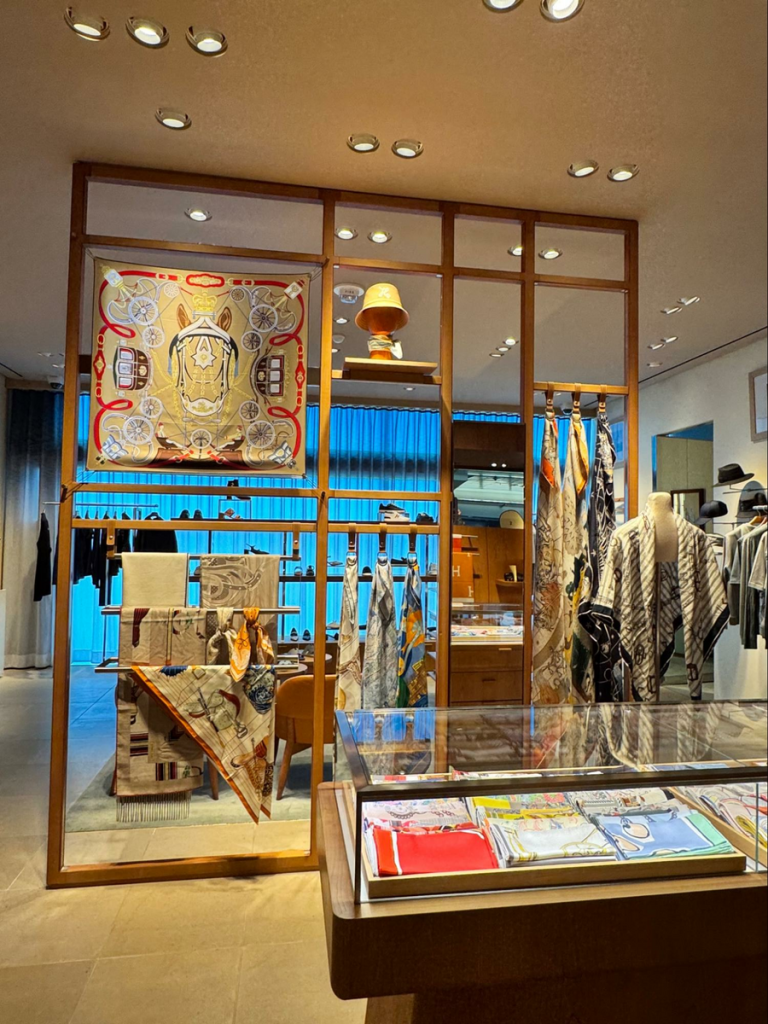
Photo credit: MetaphorEdge,
Location: San Francisco, California,
Wood Highlights: This Hermes in San Francisco features a central wood display element
designed to highlight featured accessory items, which treats display
like a work of art too, very on brand for the company
Framed in Wood: Artful Retail Display Design
The local Hermes store in San Francisco showcases the expert design work of the remarkable French firm RDAI, where the brand’s retail identity is shaped across the globe. The store’s unique, artful retail display highlights Hermes’ coveted accessories—including scarves, hats, and specialty goods—framed in natural wood. The central millwork elements and surrounding displays are executed at museum-quality standards, setting a high bar for thoughtful retail design.
RDAI, under the leadership of Denis Montel and Julia Capp, develops the interior architecture and wood detail solutions used throughout Hermès stores worldwide. Their work in San Francisco uses a variety of natural wood profiles, paired with metal and leather, producing a sophisticated sensory experience that elevates the entire space.
Publications such as Wallpaper have covered the design success of Hermes interiors, describing the way these stores connect major metropolitan cities with Paris through highly refined material palettes. Additional photos on Retail Design Blog provide a guided visual tour for anyone wanting a deeper look at the space before visiting in person.
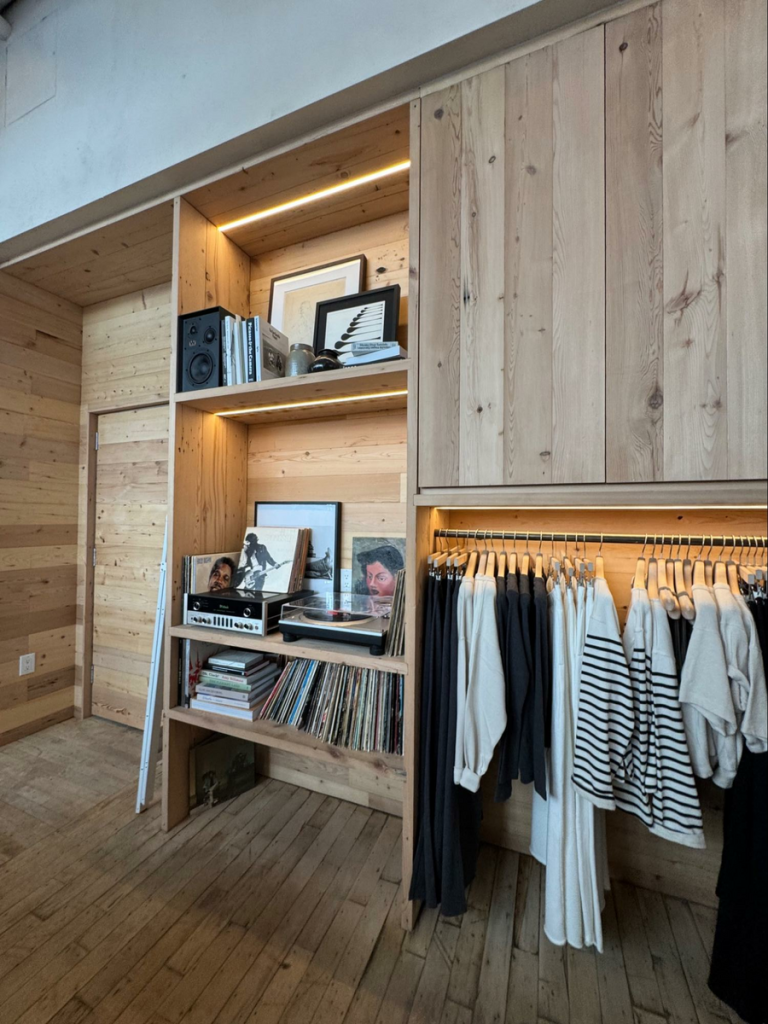
Photo credit: MetaphorEdge,
Wood Highlights: Retail store Buck Mason utilizes light knotty wood in
a contemporary manner, integrating art, vinyl music, and
display shelving in a cohesive, craft-forward approach.
Boutique Wood Shelving
Designer Leanne Ford Interiors created a distinctive atmosphere for Buck Mason, producing interiors that feel both familiar and fresh—restrained yet layered. When you step into the San Francisco Hayes Valley location, or the Williamsburg location in Brooklyn New York, or any other, the combination of natural wood shelving, warm lighting, and crafted millwork forms an artful display of goods that enhances the customer experience and keeps customers returning back for more.
The millwork’s flat profiles, clear finishes, and soft edges balance utility and warmth, creating a space that feels curated without being too precious. The display strategy is grounded in wood craftsmanship and a singular vibe, thoughtfully applied throughout the perimeter and shelving walls.
Merchandising Trim
Surveying multiple Bay Area retail stores reveals just how widely natural wood profiles are used to create creative, memorable display solutions. Changing the species, finish, and size of the wood profile allows for an almost infinite range of combinations, each one influencing how products are viewed and how the brand story is expressed. Design approaches like these are often recognized by premier industry programs, including the Shop! Design Awards and the Retail Design Institute (RDI) Awards, which celebrate outstanding achievement in retail environments, visual merchandising, and display craftsmanship.
Merchandising trim can serve many functions:
- framing product vignettes
- anchoring shelves or display cases
- adding architectural character
- guiding circulation through the store
- creating moments of visual pause
- reinforcing the brand’s identity
Thoughtful display design draws customers in and encourages return visits. Natural wood remains a favorite material among retail designers because of its warmth, versatility, and ability to elevate even the smallest display into an artful moment.
FAQ’s: Retail Wood Trim & Display Design
Why is natural wood so effective in retail display?
Wood adds warmth, texture, and an immediate sense of craftsmanship. It supports brand storytelling while providing durability for high-traffic retail environments.
Does merchandising trim need to match store millwork?
Not necessarily. Some stores choose matching profiles for a unified look, while others use contrasting woods or finishes to emphasize key product zones.
Can custom wood profiles be made for unique display cases?
Yes. Designers often create custom edge profiles, stepped reveals, or flat trim elements to achieve a very specific visual effect.
Is wood durable enough for commercial applications?
Absolutely. With proper species selection and finishing, natural wood performs well in commercial retail settings and stands up to repeated handling.
Further Reading
Explore more from the Lowpensky Resources series:
- Wood Profiles in Contemporary Retail Design
- Custom Trim Strategies for Boutique Storefronts
- Designing Display Cases With S4S Boards
Build Your Own Design Ideas with Custom Profiles
Now that you’ve explored how unique customization can impact a space, consider your own project. Lowpensky Moulding crafts custom profiles in a variety of commercially available wood species for San Francisco Bay Area builders and installers—across residential and commercial projects. Provide your unique design specifications via email, and we will send you a quote and estimated delivery date.
All custom orders are fabricated in our San Francisco shop. Whether you’re creating a boutique façade, a custom merchandising trim detail, or a fully integrated wood display system, Lowpensky Moulding is ready to support your design vision.
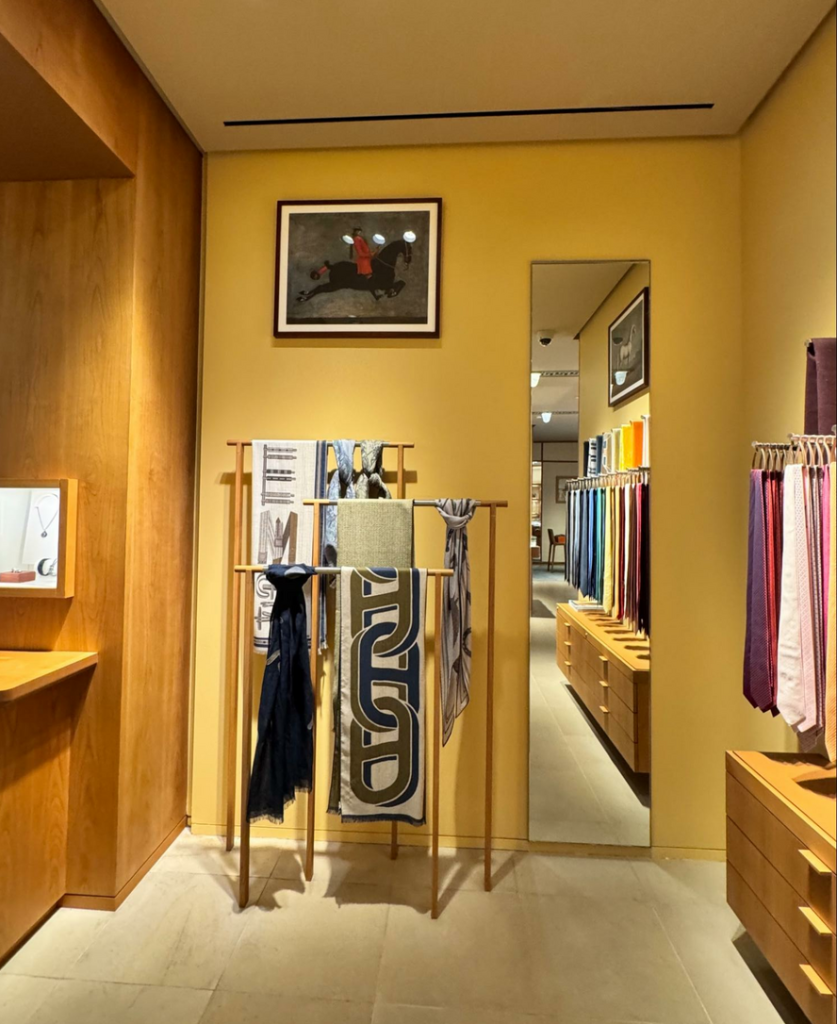
Photo credit: MetaphorEdge,
Location: San Francisco, California,
Wood Highlights: Hermes luxury scarves are artfully displayed with modern natural wood
custom stands fixed to appear floating, designed by RDAI
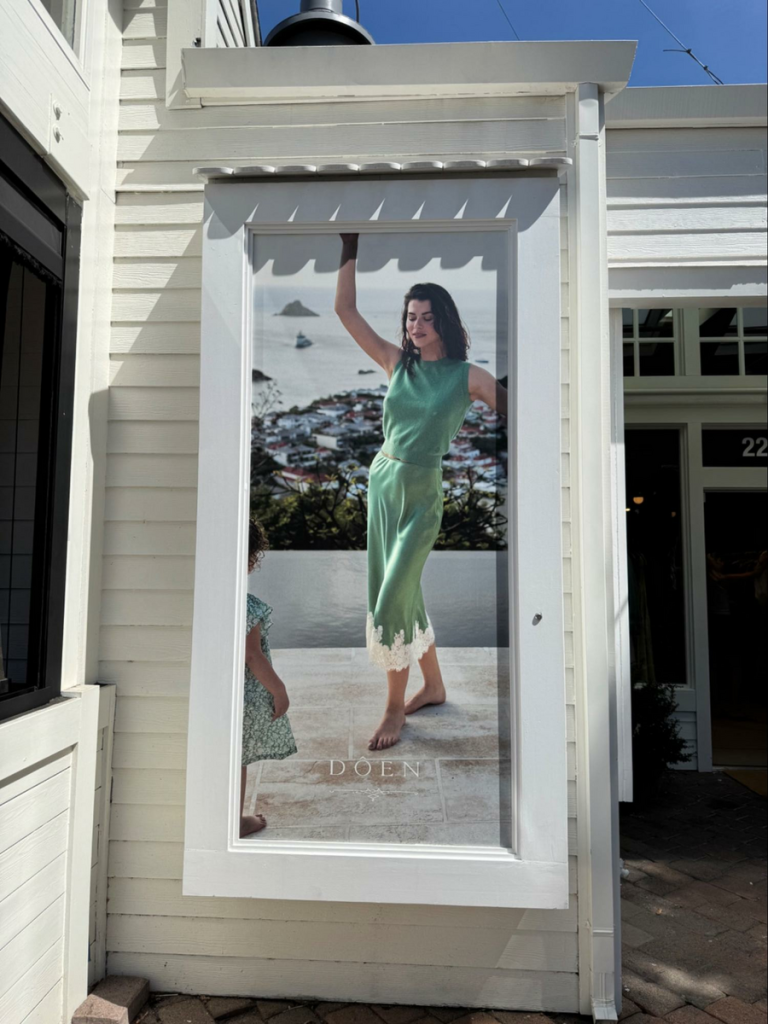
Photo credit: MetaphorEdge,
Location: San Francisco Bay Area, California,
Wood Highlights: The popular women-led brand DÔEN features an exterior display case framed in wood trim with an ogee-stepped profile and a small protective roof, creating a sheltered, artful place to showcase the store’s imagery at the storefront.
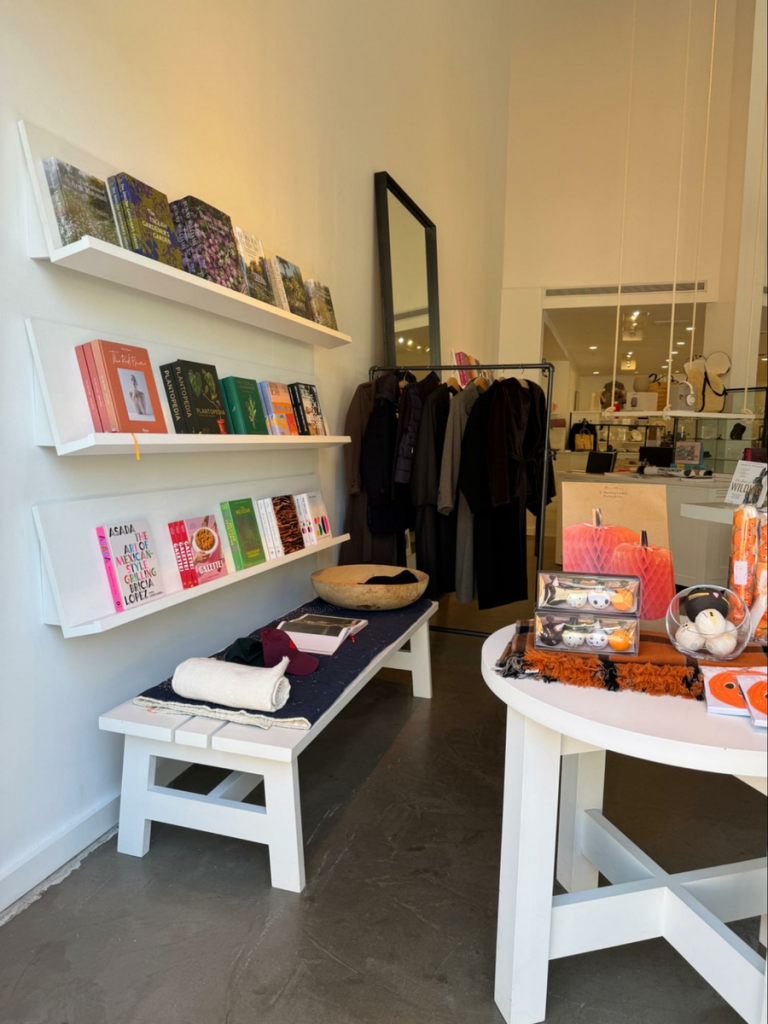
Photo credit: MetaphorEdge,
Location: San Francisco Bay Area, California,
Wood Highlights: Retail Flora & Henri employs flat edge wood S4S (surfaced four sides) boards mounted
at an angle above contemporary baseboards to display products available for sale,
in keeping with the interior design vocabulary of the space,
an often used design style by professional store designers.
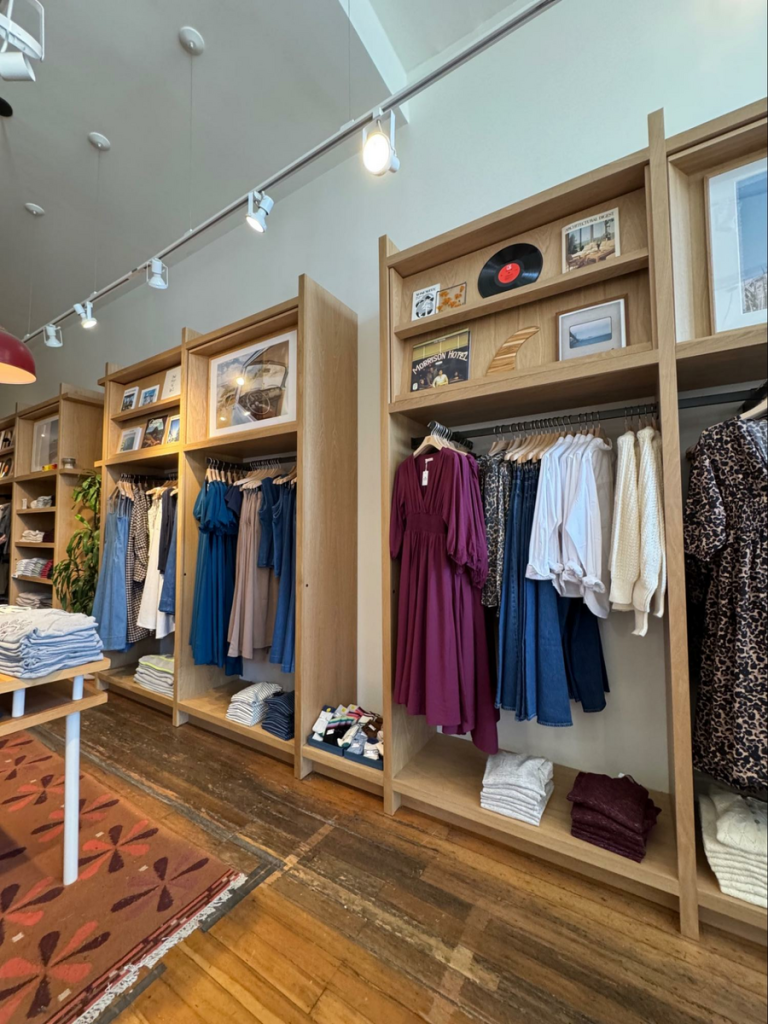
Photo credit: MetaphorEdge,
Location: San Francisco Bay Area, California,
Wood Highlights: Hayes Valley retail store Marine Layer showcases clothing for sale
below discreet display areas that contain art and create a vibe
in the store thru the use of store fixture design in natural wood
with a double layer profile for treasured artifacts
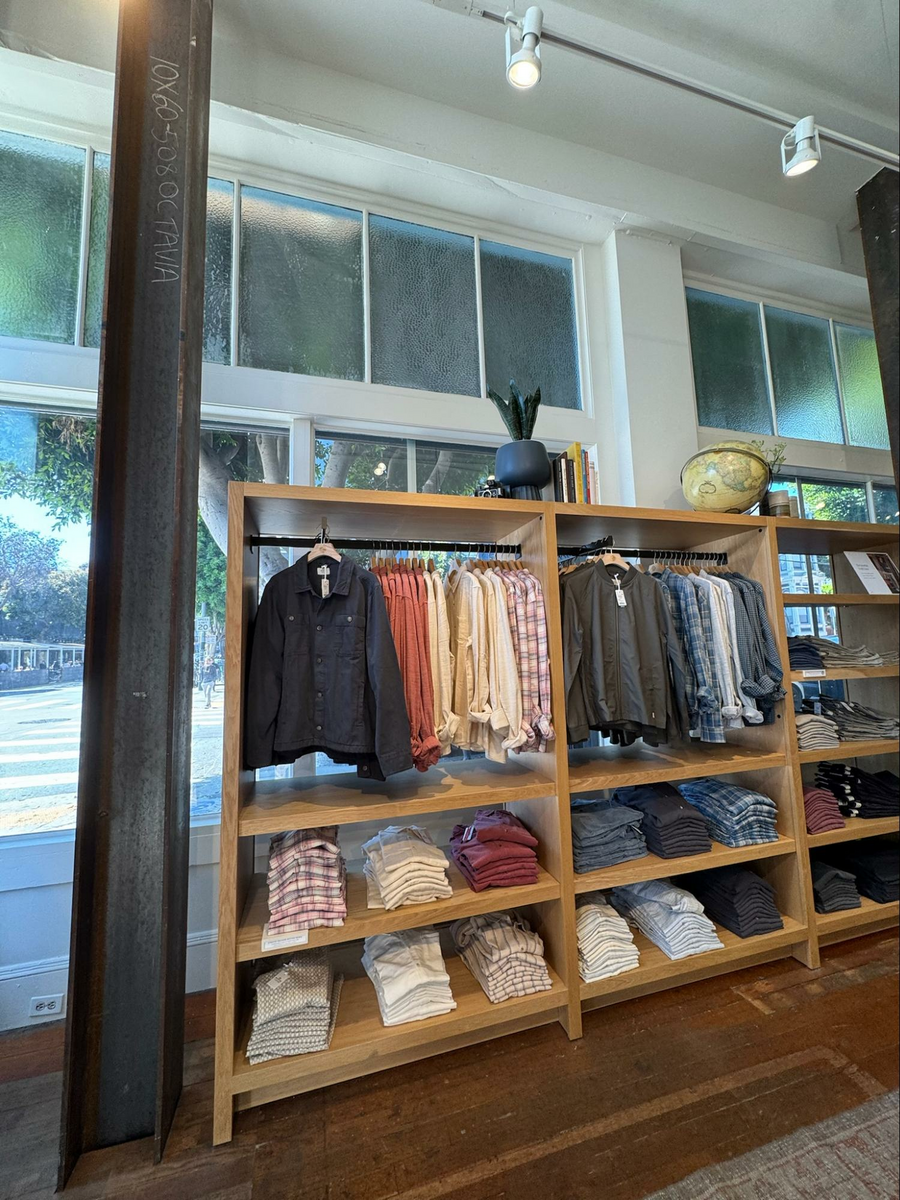
Photo credit: MetaphorEdge,
Location: San Francisco, California,
Wood Highlights: The Hayes Valley retail store Marine Layer display features natural
wood elements including flat edge trim, seen from two sides in the window area,
exterior and interior, for maximum impact
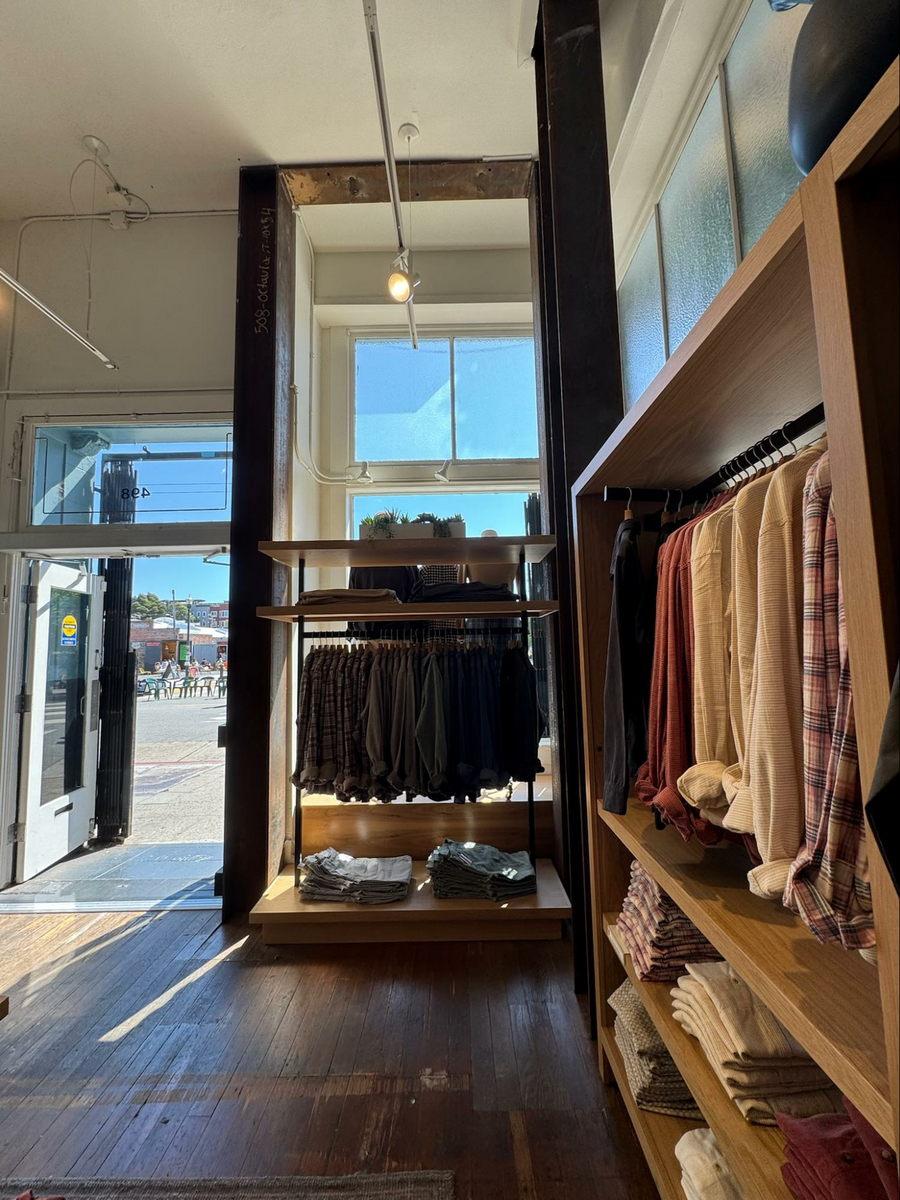
Photo credit: MetaphorEdge,
Location: San Francisco, California,
Wood Highlights: Natural wood display design frames merchandise at
this Hayes Valley retail store Marine Layer in a single species to bring design continuity to the space
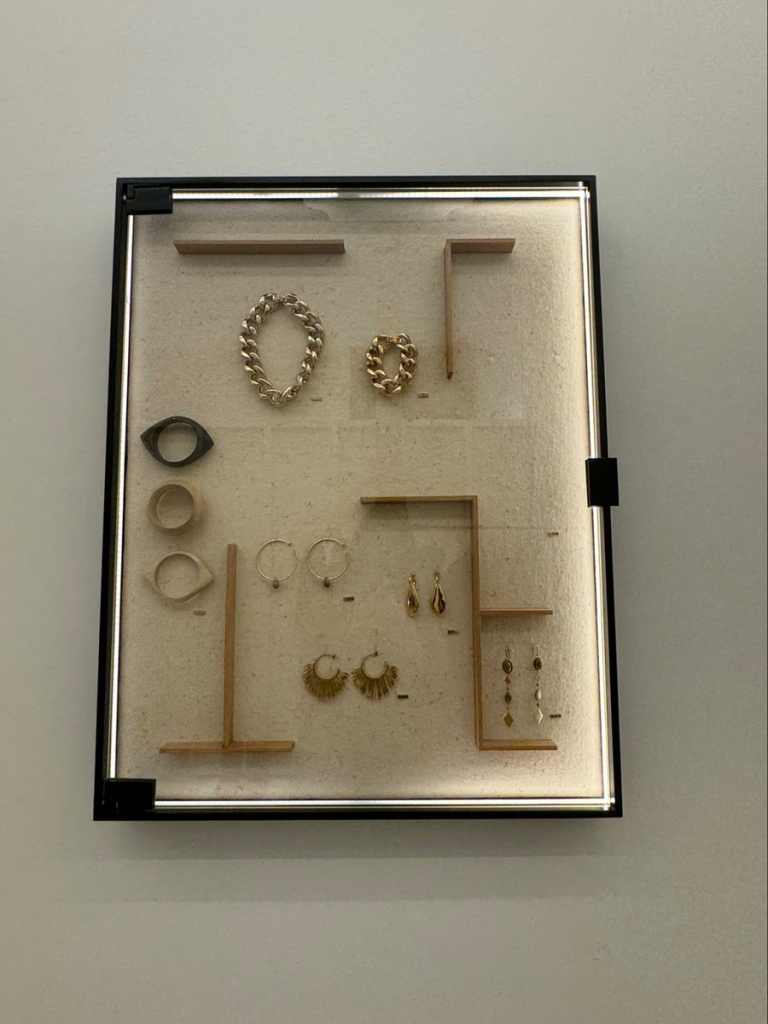 Location: San Francisco, California,
Wood Highlights: Financial District retail store Isabel Marant uses precise flat
moulding in a warm wood species in this illuminated display case
to showcase statement jewelry for discriminating collectors.
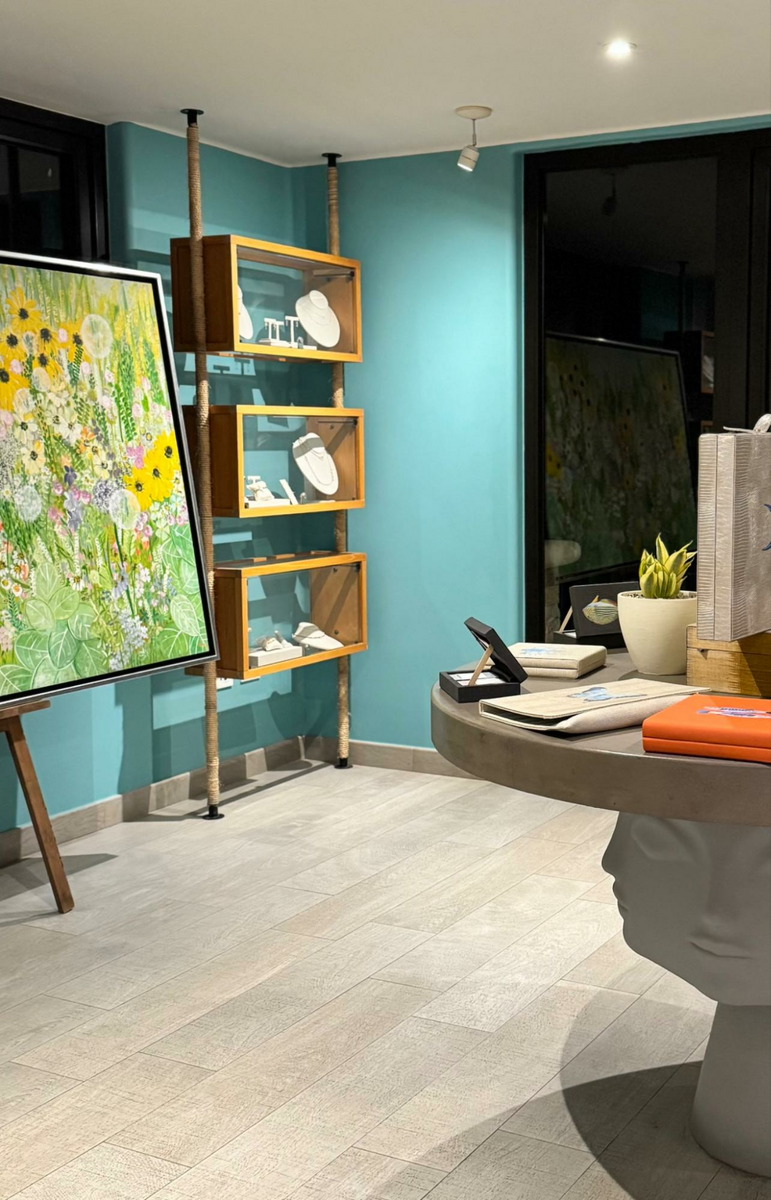
Photo credit: MetaphorEdge,
Wood Highlights: The open wood cabinets made of natural wood
and glass are attached to poles wrapped in cord, providing a unique display opportunity,
livening up this retail corner, making the store memorable and inviting in this boutique.
DISCLAIMER
The information in this article is provided solely for general informational purposes and does not constitute professional, technical, legal, or regulatory advice. Codes, permitting requirements, and construction standards vary by jurisdiction. Consult a licensed architect, engineer, contractor, professional designer, and your local building authorities before beginning any project. Lowpensky Moulding assumes no responsibility or liability for actions taken based on the content of this article.