

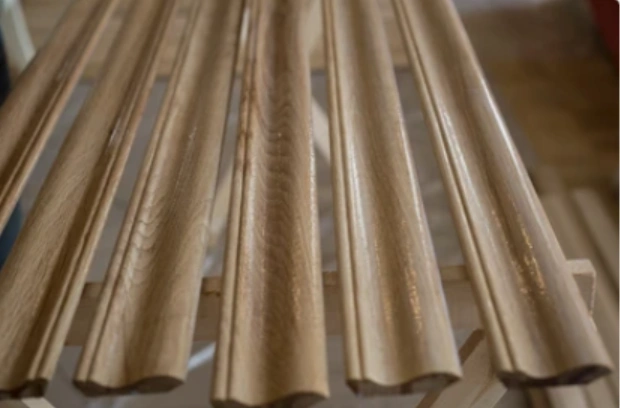
Iconic Moulding Moments: Trim Tells a Tall Tale (Part One)
Wood moulding might seem like a small detail, but in the worlds of film and literature, it often plays a major role in creating atmosphere, shaping character, and reinforcing themes. From sharp gothic carvings to sleek modern trims, wood moulding has been used to ground fantastical tales, evoke suspense, and symbolize inner struggles. In Part One of this blog series, we’ll dive into how wood moulding enhances storytelling in classic tales and gothic settings. Ogee moulding appears in many scenes on different sets and is often a favorite, impactful moulding selection. Let’s get into the renowned story sets.
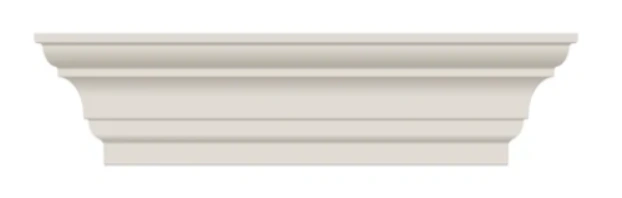
From magic wardrobes to haunted mansions, wood moulding—especially the elegant curves of ogee moulding—is a remarkable storytelling tool that shapes mood, reinforces themes, and brings settings to life. Used in a variety of combinations, a very specific mood can be set.
What is Ogee Moulding?
Ogee moulding is characterized by its distinctive S-shaped curve, combining a concave and convex arch into one elegant profile, often combined with square edge stepped moulding and is made in a variety of sizes. This timeless design has roots in classical architecture and is prized for its decorative versatility, bringing both sophistication, refinement and visual interest to interiors.
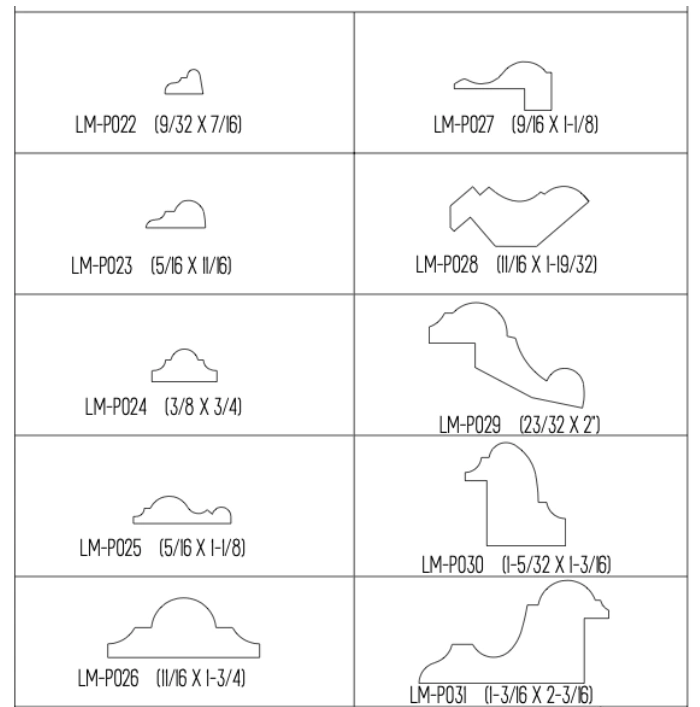
Whether used in crown moulding, baseboards, or framed openings, ogee moulding adds a graceful flow that draws the eye and elevates the surrounding space. On film sets and Broadway musicals, its subtle elegance can transform ordinary rooms into visually rich environments, enhancing mood and reinforcing narrative themes.
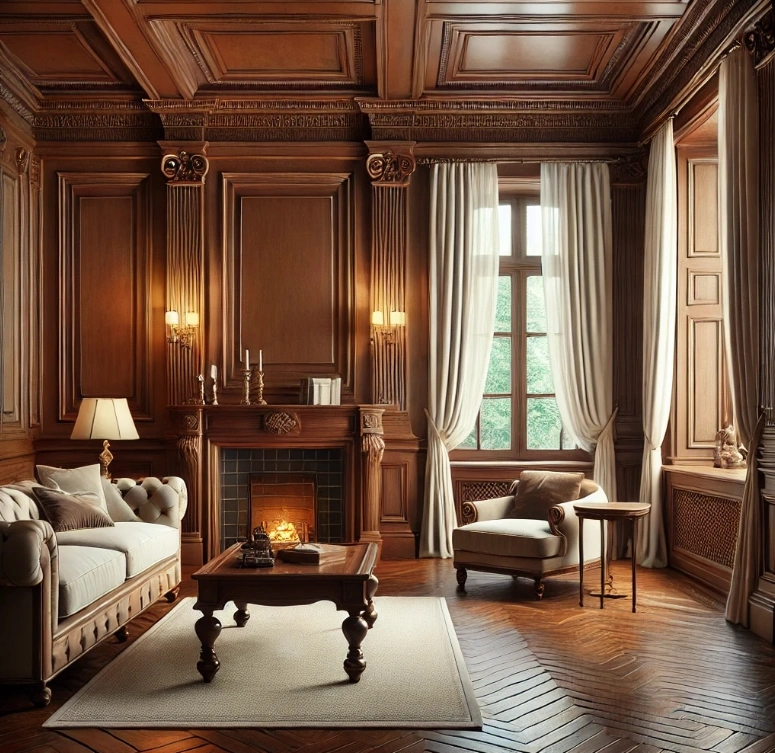
Rendering inspired by literature
Moulding Highlights: Coffered ceiling, trim at wall panelling and window casing
The Phantom of the Opera
A captivating example of wood moulding enriching storytelling can be found in the world of The Phantom of the Opera. The grand, sprawling opera house serves as a theatrical backdrop to the Phantom’s mysterious and tragic tale. The architecture is adorned with ornate moulding, from delicate ogee curves on the gilded balconies to intricately formed trimmed panels in the Phantom’s hidden lair.
Symbol of Intrigue and Duality: The moulding reflects the dichotomy of beauty and darkness central to the story, with its lavish, gilded designs contrasting the shadowy depths where the Phantom dwells. Beyond aesthetics, these elements echo the layers of his character, presenting grandeur while masking pain and secrecy.
The moulding not only highlights the opulence of the opera house but also underscores the Phantom’s yearning for beauty and acceptance, making it an integral part of the narrative tapestry. Through its detailed design, one can feel both the allure and tension that pervade the story, demonstrating once again how thoughtfully-crafted wood moulding deepens the emotional resonance of a place.
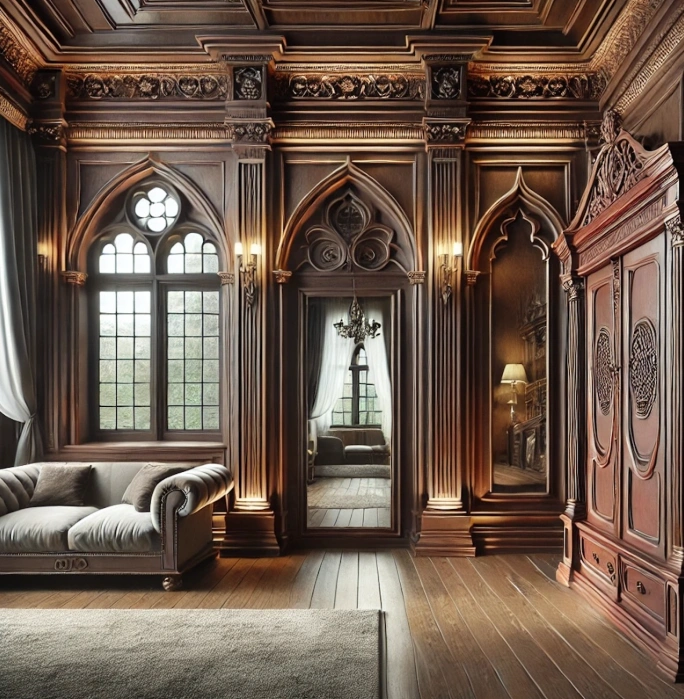
Rendering inspired by The Chronicles of Narnia Moulding Highlights: Crown moulding, wood trim at ceiling, wood trim at windows, cased openings, ceiling, wood moulding at wardrobe
The Wardrobe in The Chronicles of Narnia
In C.S. Lewis’s The Lion, the Witch, and the Wardrobe, the featured wardrobe turns out to be a gateway to the magical land of Narnia. Its rich wood detailing and trim evoke a sense of timeless wonder, making it clear that this is no ordinary piece of furniture.
- Visual Clues to Magic: The wardrobe’s intricate design, featuring ogee moulding at the top, above a pair of paneled doors, hints at something hidden beyond, turning out to be another world.
- Symbol of Transformation: As the children step through its beautifully crafted doors, they leave behind the mundane world for one of adventure and growth.
The wardrobe with thoughtfully placed ogee moulding becomes a symbol of other worlds and imagination, underscoring the themes of discovery that define the story.
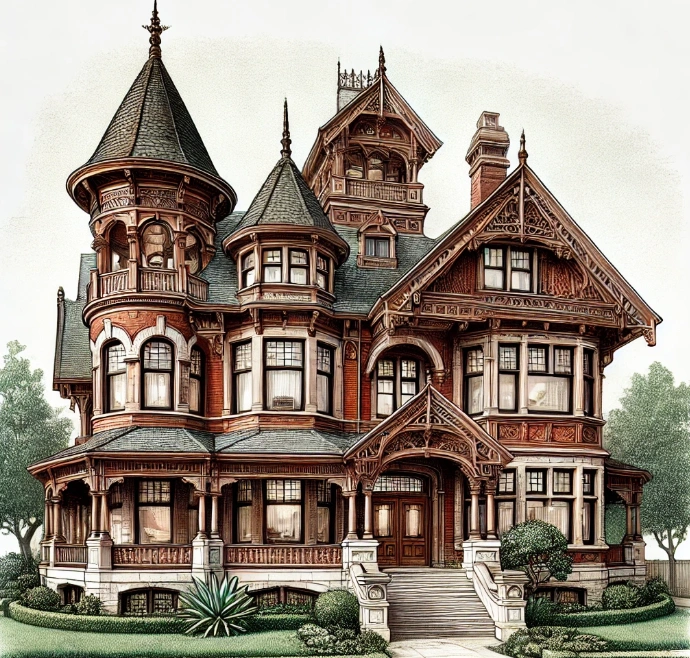
Rendering Image inspired by the Addams Family Mansion Moulding Highlights: Trim at windows, doors, eaves, and more.
The Addams Family Mansion
The Addams Family’s gothic home is as iconic as the family itself, and wall to wall wood moulding plays a crucial role in creating its eerie elegance.
- Gothic Craftsmanship: From dark-stained wainscoting to sharply pointed framed archways, the wood details—including dramatic ogee moulding—reflect the family’s love for the macabre and the mysterious.
- A Living Character: The moulding helps the mansion feel alive, reinforcing its role as more than just a setting—it’s an integral part of the Addams’ quirky charm.
The ornate ogee moulding in the Addams Family mansion embodies their dark yet sophisticated aesthetic, making it a standout example of how woodwork can shape character and tone.
The Brenner Home in The Birds
In Alfred Hitchcock’s The Birds, the Brenner family home features traditional wood moulding that conveys warmth and stability—a sharp contrast to the terror unfolding outside. The exterior employs classic horizontal siding to clad the building.
- Contrast Between Normalcy and Chaos: The home’s variety of wood trim, subtly accented with ogee moulding, anchors the story in a sense of normalcy, even as the bird attacks escalate.
- Psychological Tension: The juxtaposition between the home’s familiar moulding and the horror beyond its walls heightens the film’s suspense, making the ordinary feel unsafe.
The Brenner home’s understated wood details serve as a quiet but powerful reminder of the fragility of human comfort in the face of the unknown. The home is on a ranch in Bodega Bay, California.
The Haunting of Hill House
Netflix’s The Haunting of Hill House uses wood moulding to amplify its gothic atmosphere and psychological tension.
- Oppressive Grandeur: The elaborate paneling and ogee moulding inside the Hill House create a sense of decaying opulence, mirroring the emotional unraveling of its inhabitants.
- Trapped by the Past: The ornate moulding seems to hold the house’s dark secrets, reinforcing its role as both a setting and a character.
Hill House’s wood details, including its use of ogee moulding, contribute to its foreboding personality, making it an unforgettable part of the story.
Film Sites for Design Inspiration
Did you know that Gilmore Girls was filmed at Graystone Mansion in Beverly Hills, California and has included interior wood moulding detailing on the stairwell and many key rooms? It’s the school in the story, conveying stability and legacy. The Witches of Eastwick used the windowed, expansive kitchen in its telling. Wayne Manor was it’s name when Batman himself walked thru its distinctive halls.
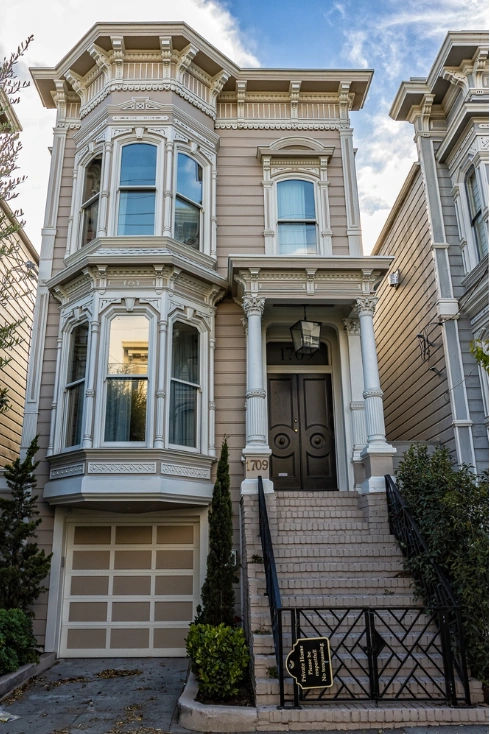
Photo credit: MetaphorEdge.com
Location: Exterior of Full House Location, Lower Pacific Heights, San Francisco, California
Moulding Highlights: Trim at windows, doors, eaves, and more.
The Olsen twin actors starred in Full House and the series was filmed on location in Pacific Heights neighborhood of San Francisco at a Victorian residence at 1709 Broderick with a stunning exterior facade. The interior was created on a soundstage on the Warner Brothers lot. Victorian architecture often includes ogee design at a variety of scales throughout moulding approaches on the interior and exterior. Lowpensky Moulding has the ability to make the same moulding elements and other materials you’ve likely seen on screen.
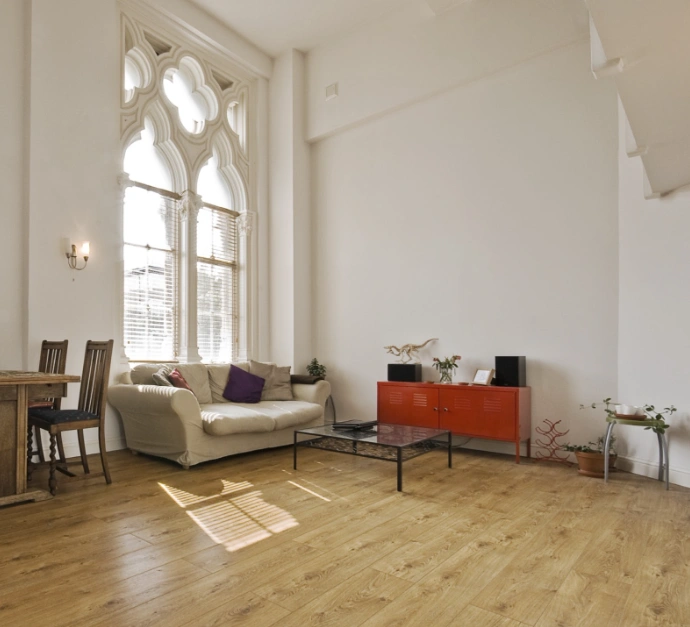
Photo inspired by literature with gothic rooms
Moulding Highlights: Trim at windows, baseboard, tongue and groove flooring
Conclusion for Part One
From magic wardrobes to haunted mansions, wood moulding—especially the elegant curves of ogee moulding—is a remarkable storytelling tool that shapes mood, reinforces themes, and brings settings to life. Used in a variety of combinations, a very specific mood can be set.
From Iconic Moments to Your Moment
Ready to create your own iconic spaces? Source your wood moulding from Lowpensky Moulding. Explore our extensive catalog or design custom pieces, including stunning ogee moulding, that bring elegance, character, and history into your home. Contact us today and let us help frame your story beautifully. Explore our catalog to find great moulding profiles for your project.
DISCLAIMER
The information in this article is provided solely for general informational purposes and does not constitute professional, technical, legal, or regulatory advice. Codes, permitting requirements, and construction standards vary by jurisdiction. Consult a licensed architect, engineer, contractor, professional designer, and your local building authorities before beginning any project. Lowpensky Moulding assumes no responsibility or liability for actions taken based on the content of this article.