


Location: Inglenook Winery, Rutherford, California, Wood Highlights: Painted wood moulding at the exterior pediment. Photo Credit: MetaphorEdge.com.
Moulding (or Molding) Made of Heartwood Makes the Heart Soar: Historic Building Restoration
Historic buildings capture our attention without fail with their exquisite architectural designs and the profound cultural significance they hold. However, over time major storms and other natural events can damage a building. Homes and commercial buildings need extra care to endure today and into the next generation. This is where the magic of historic building restoration comes into play, making original historic mouldings necessary to be reproduced.
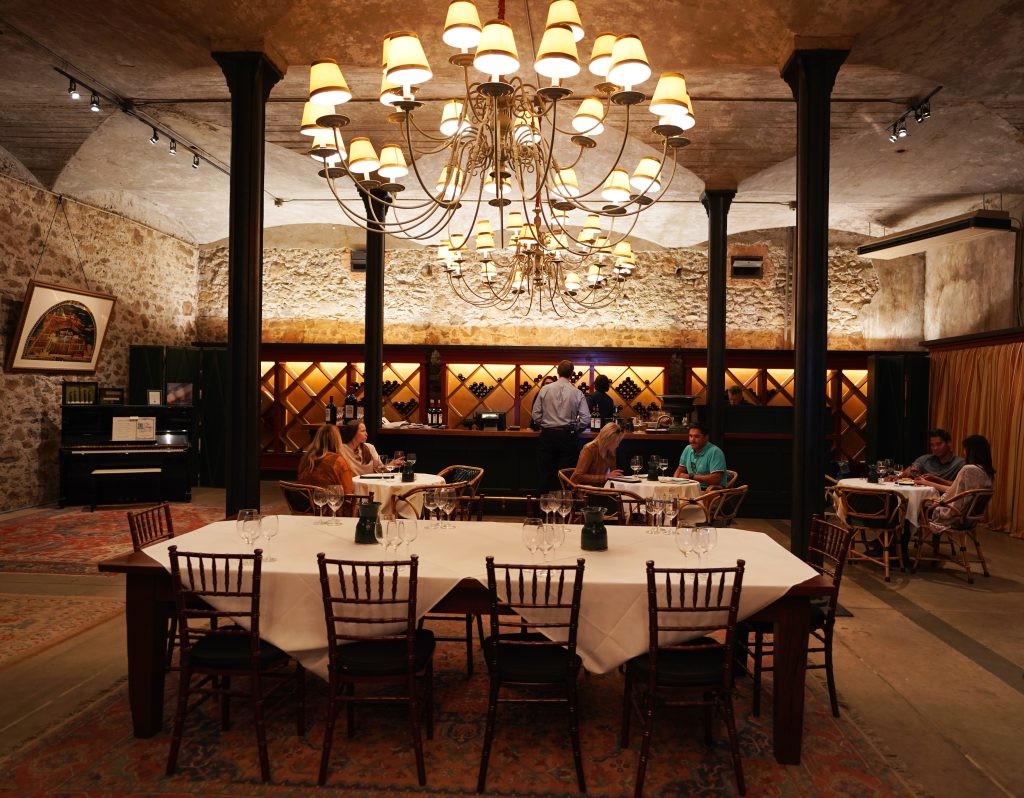
Location: Inglenook Winery, Rutherford, California, Wood Highlights: wood trim in tasting room. Photo Credit: MetaphorEdge.com.
What is Heartwood in Historic Building Restoration?
Heartwood is the dense, inner core of a tree, valued for its durability, stability, and resistance to decay. While many species contain heartwood, redwood is unique in offering clear options for heartwood grades, making it a key consideration for exterior applications. Here’s how heartwood plays into moulding selections:
Durability & Strength
Heartwood is less prone to warping, shrinking, or swelling than sapwood, making it ideal for mouldings that must maintain their shape over time—especially in areas with fluctuating humidity. In redwood applications, choosing the right grade ensures long-term performance.
Aesthetic Considerations
The rich, deeper tones of heartwood provide visual appeal, whether left with a natural finish or stained for a more refined look. However, in species like oak, mahogany, or walnut, some sapwood is naturally present even in top-grade mouldings, which can lead to customer concerns about color variation.
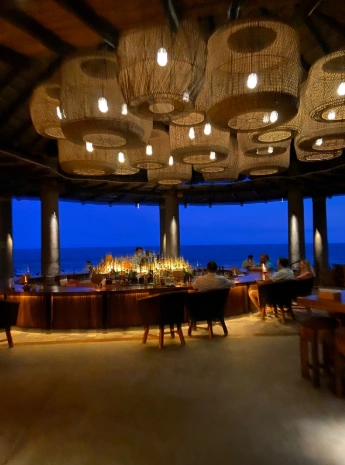
Photo credit: MetaphorDesign.com, Location: Palapa, Esperanza Hotel, Cabo San Lucas, Baja California, Wood Highlights: Wood moulding trim below counter, wood ceiling
Resistance to Decay
Natural oils and resins in heartwood offer built-in protection against moisture and pests. This is particularly valuable in redwood, where heartwood grades determine the best applications:
- Clear Heart Redwood – All-heartwood with no knots, ideal for premium exterior applications where longevity and a uniform appearance matter most.
- Heart B Redwood – All-heartwood but with knots, making it a more affordable choice for exterior projects while maintaining durability.
- Aye Grade Redwood – A clear grade that includes some sapwood, often chosen for cost-conscious projects where appearance is still important but full heartwood is not required.
For historic restorations, understanding the role of heartwood—particularly in redwood mouldings—helps homeowners and professionals make informed decisions, balancing aesthetics, durability, and budget considerations.
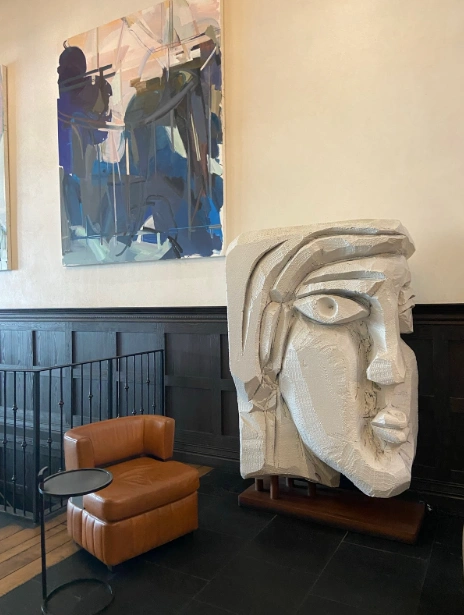
Photo credit: MetaphorDesign.com, Location: The Lobby at The Figueroa Hotel, Los Angeles, California, Wood Highlights: Black stained wood moulding trim, wainscoting
Hotel Figueroa, Los Angeles
One interesting example that springs to mind is the majestic Hotel Figueroa in Los Angeles. Originally built in 1926, this historic building underwent extensive restoration in 2018 to evoke its original Spanish Colonial splendor, while maintaining a modern urban vibe. It’s a breathtaking mix of classic and contemporary that keeps it relevant to today’s discerning traveler. The extensive wood moulding in a striking grid pattern next to the fireplace in the lobby areas with their modern art collection is a highlight of the lounge space. The quirky coffin shaped pool and exterior botanical mural add to the uniqueness of the place and its restoration.
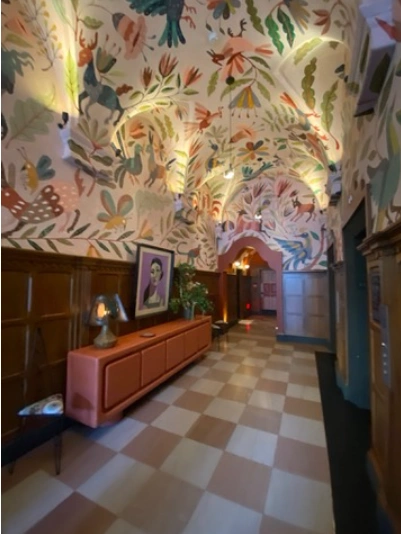
Photo credit: MetaphorDesign.com, Location: The Lobby at The Proper Hotel, Los Angeles, California
Wood Highlights: Dark wood trim and moulding, wainscotting
The Proper Hotel, Los Angeles
Historic building restoration is not just about preserving the past, but ensuring its relevance in the present and future. Consider The Proper Hotel, also in Los Angeles, for instance. From restoring its original hand-crafted details to implementing chic modern upgrades, the renovation breathed new life into this landmark.
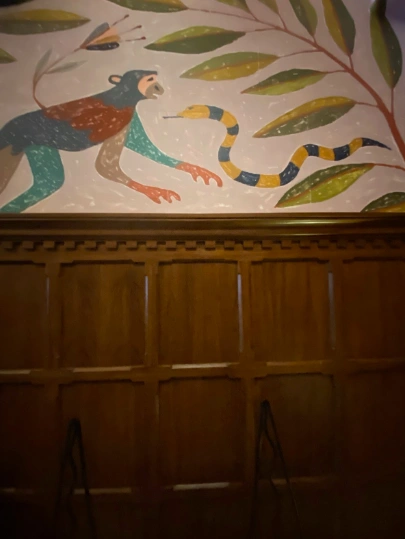
Photo credit: MetaphorDesign.com, Location: The Lobby at The Proper Hotel, Los Angeles, California, Wood Highlights: Dark wood trim and moulding, wainscoting
The colorful ceiling mural in the lobby is enhanced by dark wood stained moulding in a unique pattern and a bold sculptural front desk with vertical light wood trimmed panelling behind. It’s an outstanding example of restoration with innovation.
San Francisco City Hall, San Francisco
We aren’t just limited to the city of angels for wonderful restorations. Another notable example is San Francisco City Hall. Built in 1915, this iconic building features stunning architectural details, including intricate wood mouldings and paneling in its interior spaces. After suffering damage from the 1989 Loma Prieta earthquake, City Hall underwent a significant seismic retrofit and restoration, preserving its historic elements while making it safer for public use. The craftsmanship of the restored wood moulding and interiors reflects the grandeur of its original design.
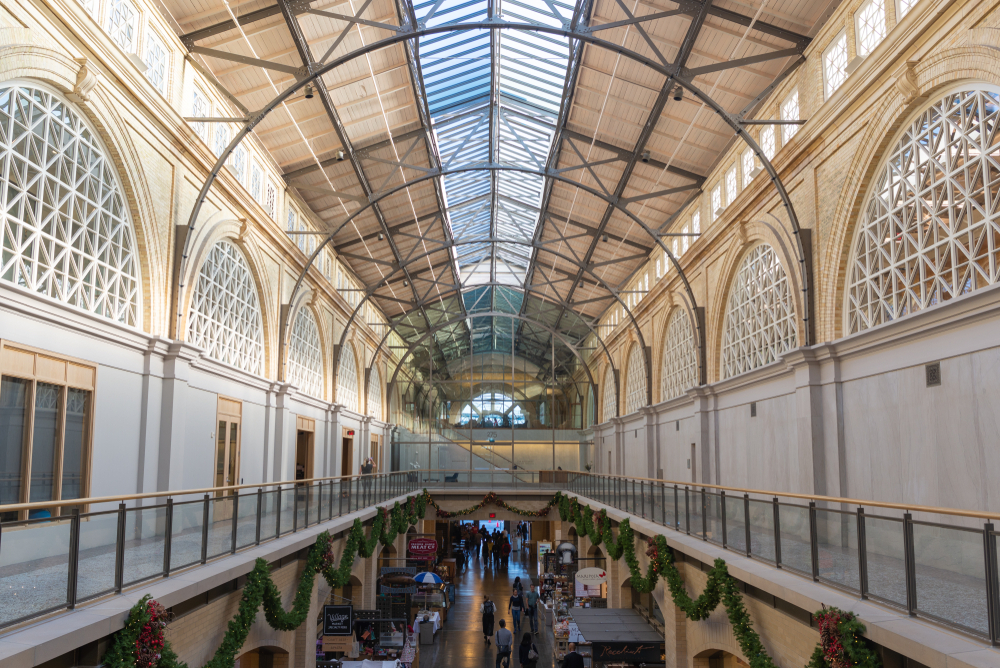
Location: San Francisco Ferry Building, San Francisco, California, Wood Highlights: Second floor detailing and inside many first floor retail stores with stone
San Francisco Ferry Building, San Francisco
Inside the San Francisco Ferry Building, completed in 1898, many retail shops incorporate wood elements in their storefronts, shelving, and interior trim, adding warmth to the historic space. While the building itself features Beaux-Arts architecture with steel trusses, brick, terra-cotta details, and Colusa limestone in a 660-foot-long skylit nave, individual stores balance this industrial aesthetic with wood paneling and displays. This mix of materials preserves the Ferry Building’s historic character while creating a functional and inviting marketplace.
The Ace Hotel, Los Angeles
The restoration of historic buildings occurs at many hospitality properties. The Ace Hotel in downtown Los Angeles is a prime example of how commercial buildings can also undergo a successful restoration process. Originally built in 1927 as the United Artists building, it has now been transformed into a popular hotel that seamlessly blends vintage charm with colorful modern amenities.
Inglenook Winery, Napa Valley
Not too far from the vibrancy of San Francisco, across the Golden Gate Bridge to the north a short drive, is the illustrious Inglenook Winery, a hallmark of Napa Valley’s rich winemaking heritage. Established in 1879, this renowned estate combines timeless traditions with modern innovations to provide visitors the estate’s stunning architecture and serene surroundings, making it a must-visit destination for wine enthusiasts and history fans alike. The tasting rooms for visitors are covered in exquisite wood moulding and paneling as well as warm wood grand window and door casings in a distinctive Victorian style. The upstairs area has a unique film museum with the use of stained wood moulding to enhance the room and cabinetry for a very unique experience.
Chicago Athletic Association, Chicago
Heading to the midwest, all the way to the Windy City, the iconic Chicago Athletic Association building stands tall. From its 19th-century Venetian Gothic architecture to the modern amenities it offers, the meticulous restoration has ensured that this building maintains its original glory while serving contemporary needs.
Broadly speaking, it is not just an aesthetic makeover that historic building restoration entails. It’s also about preserving the essence of a bygone era, while carefully weaving in the necessities of the modern world. Each such restoration is a delicate dance between old-world charm and contemporary functionality, a jigsaw puzzle where every new piece must fit seamlessly with the old. New mouldings can be replicated to match historic moulding profiles and thereby extend the life of the building.
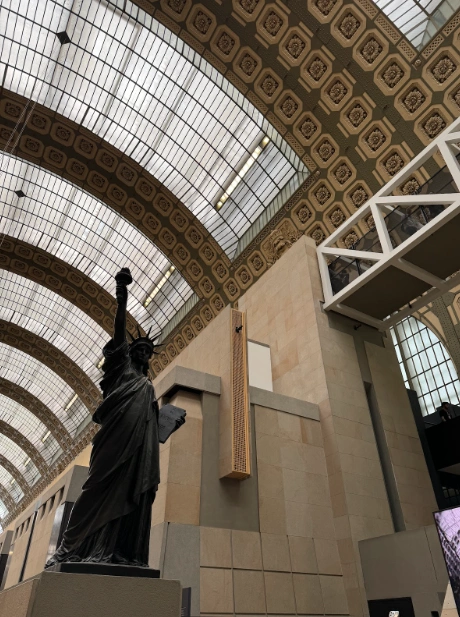
Photo credit: MetaphorDesign.com, Location: Musee d’Orsay, Paris, France, Wood Highlights: Natural wood moulding trim at the partition end paired with stone and metal
Heartwood is Heart Core
So the next time you find yourself in a restored historic building, take a moment to appreciate the craftsmanship of heartwood moulding, the thoughtfulness of the architectural design, and the core work that went into preserving the building’s past glory. And as you walk through the spaces, you’ll understand that you’re not just witnessing a piece of collective history, but becoming a part of it.
Ready to embark on historic building restoration for your next project? Lowpensky moulding is an expert in crafting heartwood moulding and more matching historic designs to make repairs and supply materials for additions that are seamless. Contact us today!
DISCLAIMER
The information in this article is provided solely for general informational purposes and does not constitute professional, technical, legal, or regulatory advice. Codes, permitting requirements, and construction standards vary by jurisdiction. Consult a licensed architect, engineer, contractor, professional designer, and your local building authorities before beginning any project. Lowpensky Moulding assumes no responsibility or liability for actions taken based on the content of this article.