


Location: 2025 Decorator Showcase, San Francisco, California,
Wood Highlights: painted wood crown moulding, baseboards, window trim, valance, wood flooring
SF Decorator Showcase: Atelier of Dreams Art Studio Trim
Every now and then, a room moves beyond beauty into the realm of wonder and surprise. This year at the San Francisco Decorator Showcase, that room is the Atelier of Dreams by Sabah Mansoor Design. With walls that wink, drapery that floats, and trim that anchors all the imaginative flourishes, this sophisticated art studio speaks a visual language fluent in symbol, storytelling, and stillness.
The Atelier isn’t merely a place for creative work—it’s a complete conceptual environment. Every surface, every embellishment, every material invites closer inspection. And yet, amid the flurry of textile art, surreal motifs, and hand-stitched flourishes, one element quietly supports the whole: the art studio trim. Carefully chosen, subtly rendered, and entirely integral, the trim in this space carries much of the architectural weight—defining edges, framing transitions, and offering a visual resting point amid a rich sensory experience.
The Trim as Silent Collaborator
What sets this art studio trim apart is how decisively it holds the room together without demanding the spotlight. From the softly detailed crown moulding that traces the ceiling, to the slender window casings that coordinate with neutral painted walls, the millwork in this atelier operates like a well-paced rhythm section: keeping time while allowing solos to shine.
In the Atelier of Dreams, a philosophy is fully realized. Without the foundation of expertly chosen studio trim, the room’s symbolic gestures—from ancient Greek references to stitched constellations—might have floated away. Instead, everything feels anchored.
A Closer Look at Moulding Details
Let’s talk specifics. The studio’s art studio mouldings include:
- Ceiling moulding with a curved ogee profile, painted to blend seamlessly with the ceiling finish, enabling the delicate lighting installations and fringe to read as integrated layers rather than afterthoughts.
- Window casings with a trim depth that balances soft linen roman shades and blackout paneling. The window trim also enhances the room’s natural light while visually tying into the custom textile accents layered throughout.
- Baseboards that are minimal but intentional—providing just enough visual separation from the textural rug and patterned floor without interrupting the flow of the wall illustrations.
Each choice is careful. No flourish is wasted. This is what we mean when professionals talk about high-functioning designer trim in studio spaces.
Where Concept Meets Craft
In any artist’s studio, the space itself often becomes an extension of the creative process. But rarely do we see that principle applied as elegantly as in the Atelier of Dreams. Here, the walls are not just walls—they are storyboards. The furniture is sculpture. The ceiling lights are theatrical flourishes. Within this cascade of artful interventions, workshop moulding plays a vital grounding role.
For architects and interior designers tasked with creating studios, this is a prime example of how trim can be a powerful narrative tool. When trim is used to connect disparate elements—materials, heights, functions—it becomes a kind of visual glue. In this atelier, moulding connects not only surfaces, but ideas. It transitions viewers from surreal illustration to tactile materials, from light to shadow, from one conceptual anchor to the next.
Functional Elegance in Creative Environments
This room also answers an important question: Can a space feel imaginative and structured at once? The answer, resoundingly, is yes—when the moulding is doing its job.
The trim in this art studio is designed not to compete with the creativity it holds, but to support it. And for real-world studios—where inspiration must meet practicality—that balance is essential. Art studio trim should never overwhelm a workspace. Instead, it should offer clarity, containment, and visual cohesion, allowing the mind to wander while the room itself holds steady.
Material Considerations for Workshop Crown Moulding
This particular atelier demonstrates the success of working in neutral palettes and fine-grain materials. By using painted wood, likely poplar, and primed profiles, the designer avoided introducing woodgrain visual noise that could compete with the textiles and murals. The result? A gallery-like clarity. Light bounces. Artwork breathes. The space feels crisp, even as it overflows with detail.
We have noticed professional Designers like to recommend a similar approach in creative workspaces. Keep your studio trim tone-on-tone, and focus on subtle transitions and consistent linework. It’s the difference between visual clutter and visual rhythm.
Quiet Details That Guide the Room
Designers interested in workshop spaces, creative offices, or craft rooms can see several principles employed by Sabah Mansoor in the Atelier of Dreams:
- Mansoor used art studio trim to define, not dominate.
- Mansoor selected mouldings that support functional uses: a sense of place, acoustics, lighting, display.
- Mansoor matched trim paint with walls to create seamless transitions and let the artwork and textiles lead.
- Mansoor grounded symbolic and expressive detail with painted millwork that provides visual structure.
Whether you’re hiring a designer for a residential studio and shared maker space, or DIY’ing it, the right trim will do more than finish a room. It will help tell its story in a strong supporting role.
Further Reading
Interested in exploring more about the 2025 San Francisco Decorator Showcase and how trim enhances each room? We recommend the following articles:
- India Currents on Sabah Mansoor at SF Decorator Showcase 2025
- Luxe Interiors + Design: SF Decorator Showcase 2025
For more in-depth perspectives from the Lowpensky Moulding team, check out:
- SF Decorator Showcase Study Materials Offer Concentration
- SF Decorator Showcase: Inspired Dressing Area Shines
Ready to Elevate Your Studio?
The Atelier of Dreams is a stunning example of what happens when moulding and imagination meet, orchestrated by a professional designer. Designers, architects and builders have long advocated for trim not just as an accessory, but as an architectural constant. Whether you’re designing and building for artists, educators, or dreamers, Lowpensky can help you find art studio trim and designer mouldings from our catalog or supply your custom design that strikes the perfect balance of elegance and utility.
Explore our standard profiles, or get in touch to discuss next steps for your studio vision. With over 75 years of experience in the Bay Area, we know how to build trim moulding that holds your ideas.
Looking to define the edges of your next creative space? Let trim lead the way.
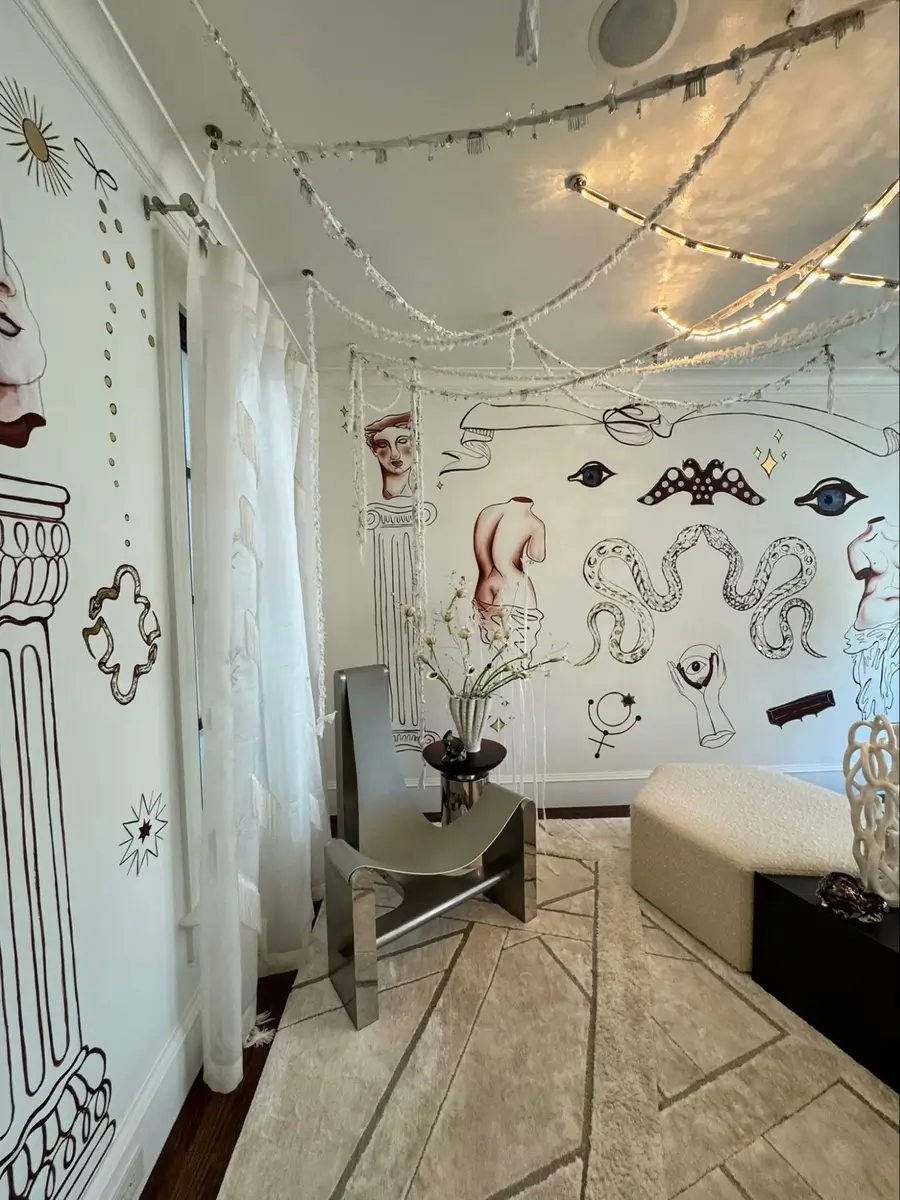
Photo credit: MetaphorEdge.com,
Location: 2025 Showcase, San Francisco, California,
Wood Highlights: painted wood crown moulding, baseboards, window trim, contrasting wood flooring
DISCLAIMER
The information in this article is provided solely for general informational purposes and does not constitute professional, technical, legal, or regulatory advice. Codes, permitting requirements, and construction standards vary by jurisdiction. Consult a licensed architect, engineer, contractor, professional designer, and your local building authorities before beginning any project. Lowpensky Moulding assumes no responsibility or liability for actions taken based on the content of this article.