


Photo credit: MetaphorDesign.com
Location: Mags Local Yogurt, Larkspur, California
Moulding Highlights: dentil moulding at exterior
Sink Your Teeth In: Authentic Teeth Moulding Adds Rhythm and Depth, Dentil Details
Many design enthusiasts will search for teeth moulding, which is formally called dentil moulding, to add some rhythm to the moulding trim at the top of a wall, above a fireplace, or an important area they wish to highlight on a project. Dentil moulding is characterized by a repeating series of small, evenly spaced, rectangular blocks that create a sense of order, rhythm, and sophistication. This classic architectural detail has been a hallmark of timeless design for centuries, often appearing in stone or wood, adding texture and interest to both interiors and exteriors.
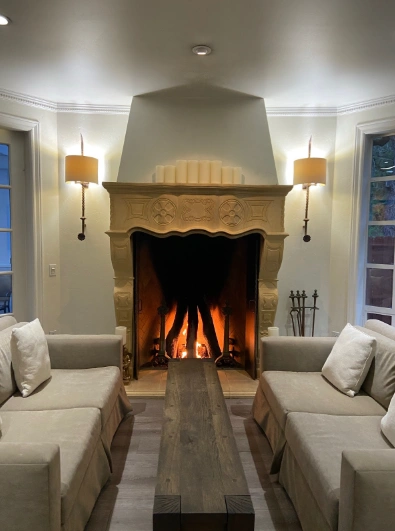
Photo credit: MetaphorDesign.com
Location: Calistoga, California
Moulding Highlights: Dentil moulding at crown
What Is Dentil Moulding?
Dentil moulding is a type of decorative trim typically found along a cornice or under a roofline. The term “dentil” comes from the Latin word “dens,” meaning tooth, which perfectly describes the tooth-like appearance of the moulding’s pattern. Each “tooth” is separated by a gap of equal width, creating a visual rhythm that guides the eye along the architectural element it adorns. While often associated with traditional and classical designs, dentil moulding can also be adapted to contemporary spaces for a touch of timeless elegance.

Photo credit: MetaphorEdge.com
Location: Parthenon, Athens, Greece
Moulding Highlights: Dentil moulding
A Touch of History: Five Iconic Examples of Dentil Moulding
Dentil moulding has stood the test of time, appearing on buildings from ancient Greece to modern-day homes. Here are five notable structures that showcase the beauty of this classic detail:
- The Parthenon (Athens, Greece)
- Built in the 5th century BCE, the Parthenon is a prime example of Doric architecture. Its cornices feature subtle dentil-like patterns, illustrating the ancient Greeks’ appreciation for symmetry and order.
- The Library of Celsus (Ephesus, Turkey)
- This stunning Roman structure, completed in 135 CE, includes dentil moulding along its facade. The repetition of the tooth-like blocks contributes to the library’s grand, orderly appearance.
- The U.S. Capitol Building (Washington, D.C.)
- An iconic symbol of American democracy, the U.S. Capitol boasts dentil moulding along its cornices, blending classical Greek and Roman influences with neoclassical design principles.
- Palazzo Pitti (Florence, Italy)
- This Renaissance palace, originally built in 1458, features dentil moulding that underscores the balance and harmony of its architectural design.
- The Breakers Mansion (Newport, Rhode Island)
- A grand Gilded Age mansion, The Breakers uses dentil moulding to accentuate its ornate interior and exterior detailing, exemplifying the influence of classical European design on American architecture.

Photo credit: MetaphorDesign.com
Location: Florence, Italy
Moulding Highlights: Dentil moulding at pediment
Why Choose Dentil Moulding?
Dentil moulding is more than just a decorative feature; it serves several important design functions:
- Adds Visual Rhythm: The repeating pattern of dentil blocks creates a sense of movement, drawing the eye along the surface and adding depth to otherwise plain walls.
- Enhances Architectural Interest: Dentil moulding breaks up large, flat surfaces and lends a sense of craftsmanship, scale and attention to detail.
- Bridges Classic and Contemporary Design: While traditionally associated with classical architecture, dentil moulding can be adapted to modern interiors, creating a dynamic interplay between old and new. If you see a dentil size and spacing you like, whether in stone or wood, it can be made to order in wood for your use.
- Defines Focal Points: Dentil moulding can frame key architectural elements like fireplaces, bookcases, or entryways, giving them greater prominence.
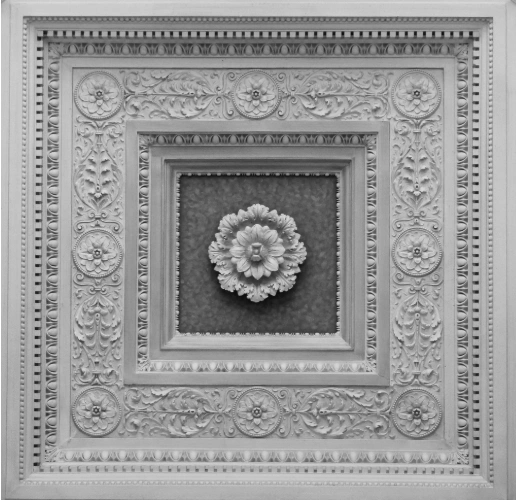
Photo credit: MetaphorEdge.com
Moulding Highlights: Dentil moulding at ceiling
Local Examples of Dentil Moulding
Take a walk in historic parts of Larkspur, or Calistoga or San Francisco, California and you’ll find examples of dentil style moulding adorning an interior lobby or an exterior facade. It’s an excellent way to dress up a beautiful building.

Photo credit: MetaphorDesign.com
Location: Coquelicot, Larkspur, California
Moulding Highlights: Dentil moulding at exterior
Choosing the Right Dentil Moulding for Your Space
When selecting dentil moulding, it’s essential to consider the scale and style of the space. Large, chunky dentils may overwhelm a small room, while smaller, more delicate patterns can get lost in expansive, high-ceilinged spaces. Material choice also matters. Dentil moulding is traditionally crafted from wood and is the best choice for lasting appeal. For a truly authentic look, natural wood dentil moulding remains the gold standard. Wood moulding can be stained or painted to match your design aesthetic and provides a sense of warmth and craftsmanship that synthetic materials often lack.

Photo credit: MetaphorDesign.com
Location: The Pantheon, Paris, France
Moulding Highlights: Dentil moulding at facade
Size It Up
Historically, the size of dentil molding has varied significantly in both interior and exterior architectural design, depending on factors such as architectural style, scale of the building, and period of construction.

Photo credit: MetaphorDesign.com
Location: Paris, France
Moulding Highlights: Dentil moulding at facade
Classical and Neoclassical Architecture (Greek and Roman Influence)
- Exterior: Dentil molding in classical temples (Greek and Roman) was typically large and widely spaced, often between 2 to 6 inches in depth for grand buildings.
- Interior: Smaller dentil moldings, often ranging from 1 to 3 inches, were used in cornices and decorative friezes.
Renaissance and Baroque Periods (15th-18th Century)
- Exterior: Dentils became more ornate and refined, sometimes smaller and closer together, often ranging from 2 to 4 inches in depth.
- Interior: The moldings were more delicate and intricate, with dentil sizes averaging 1 to 2 inches, particularly in palaces and high-style interiors.
Georgian and Federal Styles (18th-19th Century)
- Exterior: Dentil molding was a defining feature of cornices and eaves, typically 2 to 5 inches in depth.
- Interior: In more refined Federal-style interiors, dentils were smaller and more precise, ranging from 1 to 2 inches.
Victorian and Beaux-Arts (19th-early 20th Century)
- Exterior: Dentil molding was often exaggerated in Beaux-Arts and Victorian styles, sometimes reaching 6 inches or more in elaborate cornices.
- Interior: Typically 1 to 3 inches, sometimes paired with egg-and-dart or other decorative motifs.
Colonial Revival and Craftsman (20th Century)
- Exterior: Dentils in Colonial Revival homes were smaller (2 to 4 inches) and more uniform, reflecting Federal and Georgian influences.
- Interior: More restrained and often integrated into crown molding, typically 1 to 2 inches.
Modern and Contemporary (Mid-20th Century to Today)
- Exterior: Dentil molding is less common but, when used, tends to be simpler and smaller, often around 2 to 3 inches.
- Interior: Used sparingly, mainly in traditional or classical-inspired interiors, with sizes ranging from 1 to 2 inches.
The variation in dentil sizes is strongly influenced by the scale of the structure and stylistic preferences of the era. Larger dentils generally correspond to grander exteriors, while smaller, more delicate dentils are typical on doors or in refined interior spaces.

Photo credit: MetaphorDesign.com
Location: Barcelona, Spain
Moulding Highlights: Dentil moulding at fountain
Installation Tips for Dentil Moulding
Installing dentil moulding requires precision to maintain the pattern’s consistency. Here are a few key tips:
- Measure Carefully: Ensure that the spacing between dentils remains uniform along the entire length of the moulding.
- Use a Level: Dentil moulding must be perfectly level to achieve the desired visual rhythm.
- Secure Properly: Use quality fasteners, especially for heavier wood moulding.
- Finish with Care: Sand, prime, and paint or stain the moulding to match your room’s aesthetic.
While skilled DIYers can tackle dentil moulding installation, professionals ensure flawless execution, especially in high-visibility areas.
Order Authentic Dentil Moulding from Lowpensky Moulding
If you’re ready to sink your teeth into this timeless design detail, Lowpensky Moulding offers custom made authentic wood dentil moulding to elevate your next project. With high-quality craftsmanship, a variety of wood species, and styles to choose from, or layout your own, you’ll find the perfect trim to add rhythm, depth, and sophistication to your space.
Contact Lowpensky Moulding today to learn more about our products and how we can help you achieve a timeless, elegant look with dentil moulding. Let us help you make your design vision a reality with moulding that stands the test of time.
DISCLAIMER
The information in this article is provided solely for general informational purposes and does not constitute professional, technical, legal, or regulatory advice. Codes, permitting requirements, and construction standards vary by jurisdiction. Consult a licensed architect, engineer, contractor, professional designer, and your local building authorities before beginning any project. Lowpensky Moulding assumes no responsibility or liability for actions taken based on the content of this article.