


Photo credit: MetaphorEdge,
Location: San Francisco Bay Area, California,
Wood Highlights: An enclosed area created by a shorter exterior wall matching the perimeter higher wall holds a pair of wood and metal doors providing a discreet trash enclosure
Trash Enclosure Design Using S4S and Trim Tidies Up the Curb
The classic trash storage spot is too often neglected and left in full view, creating an eyesore, especially with bright, multi-colored rolling bins clustered together. A few outdoor walls (think plastered masonry or wood siding) and a straightforward gate setup can transform this space into a trash enclosure design that tidies up the curb immediately while remaining accessible for daily or weekly use.
The Overlooked Zone That Needs a Thoughtful Touch
Homeowners and property managers see instant improvement when these outdoor storage enclosures are thoughtfully integrated into the landscape. They bring order, privacy, and a more intentional look to an area that everyone uses but few prioritize.
S4S Answers the Design SOS
Useful S4S wood boards—surfaced four sides in any species or size—are some of the most versatile materials available to architects and designers. S4S boards are frequently specified for doors with metal or wood frames, especially where durability is essential and weather exposure is unavoidable.
A trash enclosure benefits greatly from the warmth, character, and strength of natural wood. A skilled designer or builder can determine where wood offers the most visual impact and where metal or other materials provide structure or longevity. When used together, the combination produces a balanced enclosure that feels considered and cohesive.
On your next neighborhood walk, notice the trash enclosures you pass—you’ll see how often S4S shows up in the most successful examples. Designers and architects often use natural wood in a wide variety of species suitable for outdoor climates, creating a noticeably elevated appearance compared with bins left fully exposed.
12 Enclosure Ideas for Trash Bins, Compost Piles and AC Units
Some enclosures are built with an angled top to conceal bins from above and offer rain protection. Others are intentionally left open to the sky, making it easy to lift lids for quick disposal. Whether you prefer a covered top or open access, wood trim details and S4S boards help the enclosure blend into the surrounding architecture rather than stand out as an out of place addition.
Matching the Enclosure With the Main Building
Many architects and designers choose to match siding, trim, or fencing patterns to create a unified look with the addition of a trash enclosure. When a trash enclosure picks up on the design vocabulary of the home or commercial building, it becomes part of the larger composition instead of a disconnected utility box and potentially an eyesore.
If your property features horizontal siding, consider repeating the same spacing on the enclosure walls and doors. If the building has a distinctive exterior trim design, replicate a simplified version of that trim at a smaller scale on the enclosure. These subtle decisions improve curb appeal and reflect the level of craftsmanship your project represents.
Working with a designer or architect is ideal, because they understand how to coordinate materials, navigate site constraints, and ensure the enclosure respects planning and building code requirements. Trash enclosures often fall into smaller project categories, but confirming what’s needed before starting will save time. Some designers can submit for permits without involving an architect, depending on project size and local jurisdiction. Before you greenlight your project, ask whether they have experience securing approvals for trash enclosures, especially in cities like San Francisco, Oakland, Berkeley, or Marin County, where visibility, heights, and setbacks can come into play.
Utility Design Meets Craftsmanship
Other designers opt to match nearby fencing rather than the main building, especially when the enclosure sits along a landscape edge. In these examples, wood slats, S4S boards, and small-scale trim create a clean façade around the bins, supported by metal bracing or posts hidden on the backside of the doors.
The best designs pay attention to surrounding elements such as retaining walls, planting palettes, and grading. Even small outdoor structures benefit from being integrated with the broader exterior environment. Because a trash enclosure is essentially a mini-building, the same principles apply: clear layout, material durability, thoughtful reveals, and well-executed joinery.
The outcome can be a functional and attractive enclosure that hides your bins, organizes the exterior, and enhances the daily flow of living or working on the property.
FAQ’s on Trash Enclosure Design
What is the best material for exterior trash enclosures?
Cedar and redwood are commonly requested for exterior applications because they offer durability and weather resistance. S4S wood boards allow for precise sizing and smooth finishing. Lowpensky Moulding offers custom profiles and lengths in any species commercially available for projects of any size.
Do trash enclosures require permits?
It depends on the city and the enclosure’s height, location, and visibility from the street. In many Bay Area jurisdictions, small structures require a simple building permit according to local professionals. Ask your local building department and be prepared with the basic information of size and location to start the conversation, unless you prefer to delegate to your architect or designer.
Can S4S be used for the structure, or only for cladding?
S4S wood (surfaced four sides) is typically used for cladding, siding, and trim. Structural framing is usually metal or dimensional lumber. Architects and designers typically specify all the required details, worked out in technical drawings, for the builder.
Should a trash enclosure be covered?
Covered tops offer rain protection and improved concealment. Open-top enclosures provide easier disposal access. Both options work with S4S and exterior trim design. Lowpensky Moulding makes S4S to order in custom sizes and profiles in short turn around times.
Further Reading
Explore more from the Lowpensky Resources series:
- Exterior Trim Details for Residential Projects
- Best S4S Wood Species for Outdoor Applications
- How to Choose Trim Profiles for Outdoor Storage Enclosures
Find Your S4S and Exterior Trim Locally (CTA)
Lowpensky Moulding offers custom S4S wood, exterior trim, and custom profiles in lengths and species not available off the shelf. These precision-milled boards streamline installation and elevate any exterior project—including trash enclosures and other outdoor storage enclosures.
Reach out to Lowpensky Moulding for your next project and discover how the right natural wood can bring craftsmanship, durability, and curb appeal to even the smallest spaces.
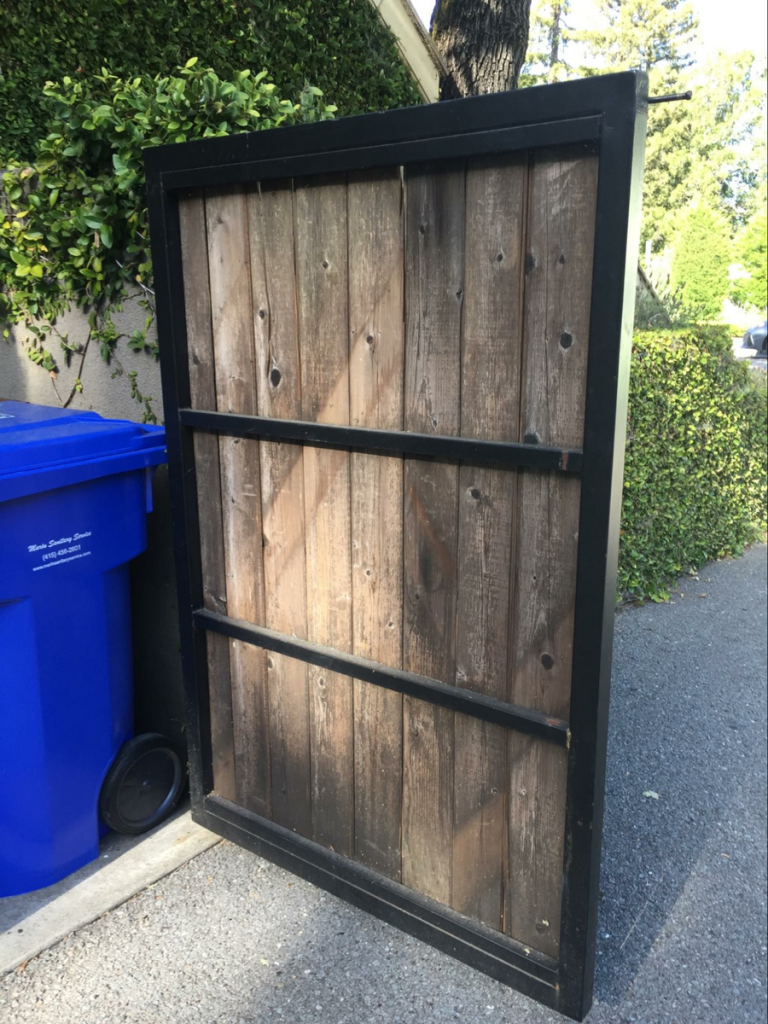
Photo credit: MetaphorEdge,
Location: San Francisco Bay Area, California,
Wood Highlights: Detail image of door design for outdoor
trash enclosure at a masonry wall condition worthy of study
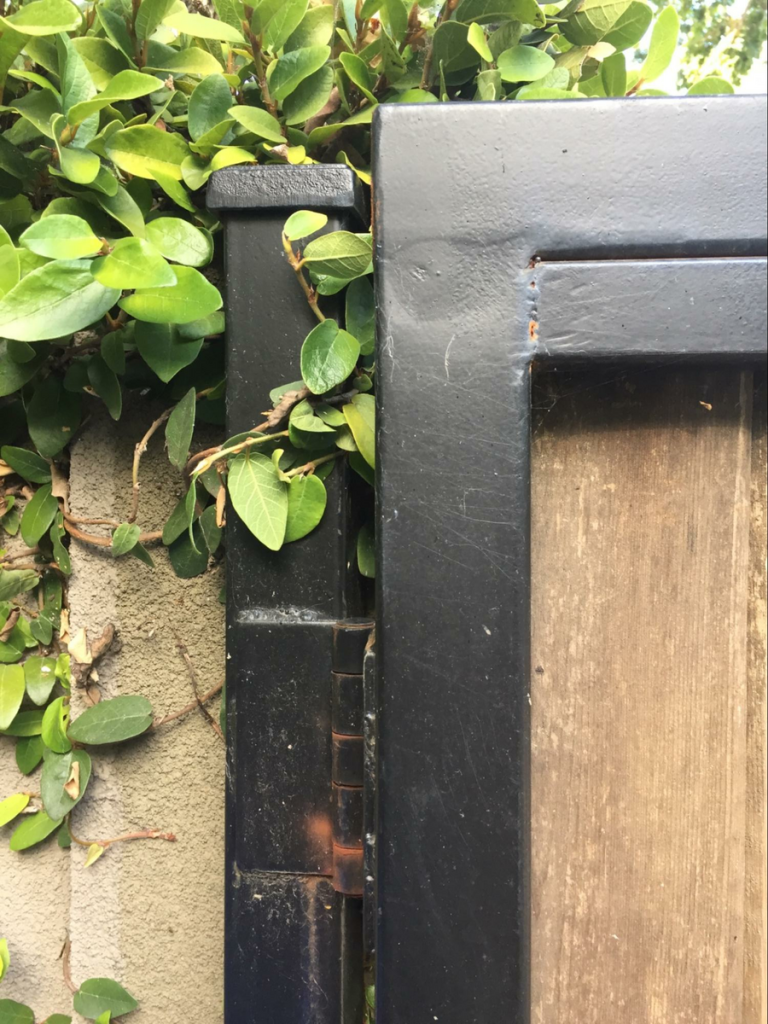
Photo credit: MetaphorEdge,
Location: San Francisco Bay Area, California,
Wood Highlights: detail image of S4S wood and metal trash enclosure design
DISCLAIMER
The information in this article is provided solely for general informational purposes and does not constitute professional, technical, legal, or regulatory advice. Codes, permitting requirements, and construction standards vary by jurisdiction. Consult a licensed architect, engineer, contractor, professional designer, and your local building authorities before beginning any project. Lowpensky Moulding assumes no responsibility or liability for actions taken based on the content of this article.