


Photo credit: MetaphorEdge,
Location: San Francisco Bay Area, California,
Wood Highlights: Painted soffit moulding, facia, window trim, window sills
Trim Before the Storm: Exterior Moulding Prep
When the forecast turns gray and coastal winds pick up, the homes that endure are the ones prepared long before the first drop of rain. In the Bay Area and across Northern California, exterior wood moulding plays an essential role in keeping facades weather-tight while maintaining architectural character. From fascia boards to window trim, these moulding profiles are both the finishing touch and the first line of defense against the elements.
Setting the Stage: Preparing for the Season
As This Old House notes, the key to weatherproofing lies in proactive inspection, identifying cracks, loose joints, and paint fatigue before moisture finds its way in. For homeowners, builders, and designers, the goal is clear: build for beauty, but maintain for resilience. Replace moulding where required before the weather invades, before completing maintenance finishing.
Design Focus: Where Form Meets Function
Architectural trim defines how a home meets the eye. A clean line of fascia, a precisely mitered stepped door trim, or a perfectly scaled sill is more than visual polish, it’s a weather barrier in disguise. Properly detailed exterior wood moulding directs water away from vulnerable joints and transitions, maintaining both aesthetic coherence and structural integrity.
Architectural trim also defines proportion, aligning elements across doors, windows, and eaves for visual rhythm. Whether restoring a historic San Francisco Victorian or finishing a modern coastal residence, thoughtful moulding design ensures that every edge not only looks refined but performs over decades of changing seasons.
Weatherproofing Techniques: The Craft Behind the Shield
As This Old House emphasizes and many builders and architects, sealing, caulking, and repainting are the front-line defenses against extreme weather. But true protection begins earlier, during material selection and installation, especially of cladding and trim.
Kiln-dried, high-performance wood moulding remains one of the most chosen materials by the pros since it is adaptable and enduring exterior materials. Unlike synthetic composites, real wood expands and contracts naturally, reducing stress on joints when properly primed and sealed. Lowpensky’s precision-milled profiles, crafted from durable species such as cedar and redwood, arrive ready for finish, custom lengths, and made to your requirements to withstand California’s variable climate.
Weather-resistant trim depends on layers of protection:
- Back priming: Some architects and builders like to see seals all sides of the board to reduce moisture absorption.
- Flashing and drip edges: Pros recommend to channel water away from seams and ledges. Proper detailing includes proper sizing and placement which architects detail through precise drawings.
- Paint and sealants: Pros also like to see a UV- and moisture-resistant envelope that safeguards color and texture.
Periodic reapplication of paint or stain, especially along sun-exposed elevations, is popular for maintaining surface protection and keeps trim performing at its peak. Check with your architect or painting manufacturer for the steps required for proper installation.
Seasonal Maintenance: The Art of Longevity
Seasonal upkeep may sound mundane, but it’s the cornerstone of craftsmanship. Each autumn, before heavy rain arrives, take a moment to inspect exterior wood moulding for cracks, separation at joints, or failing finishes. Early attention prevents swelling, rot, and costly repairs down the line.
For many California properties, repainting every five to seven years, depending on exposure, and material choices, is ideal. Light sanding, caulking, and priming before painting helps maintain adhesion and weatherproof performance. A home’s natural wood trim is only as strong as the care it receives. Painting and sealing manufacturers provide guidance on sealing and finishing.
Lowpensky’s custom profiles are easy to refinish, allowing builders and owners to keep their facades polished and protected season after season. Seasonal maintenance isn’t only a chore, it’s an investment in longevity and design integrity.
FAQ’s: Exterior Trim Prep and Maintenance
How often should exterior wood moulding be inspected?
Inspect annually, especially before the rainy season, to catch early signs of peeling paint or moisture intrusion and dry rot that needs addressed.
Can wood moulding perform as well or better than composite materials?
Yes, when properly sealed, painted, and maintained, wood moulding matches or surpasses composites in longevity while offering unmatched natural beauty according to many professional architects and builders.
When is the best time for seasonal maintenance in California?
Late summer through early fall, before humidity and storms increase, is ideal for repainting and resealing exterior surfaces according to many professionals. Compare outdoor temperatures and humidity for the days you’ll be storing, preparing, installing and finishing before you begin, advise some industry experts.
Further Reading
Explore more from the Lowpensky Resources series:
- Carport Design with Wood Trim for Modern Appeal
Discover how custom trim detailing transforms modern carports into architectural statements. - Distinctive Parklet Designs Trimmed for Curb Appeal
Learn how thoughtful trim work enhances small-scale outdoor projects. - Exterior Wood Features Define Retail Storefronts
Take a look at design features of a few SF Bay Area eateries.
Get Storm Resilient
Crafted to endure, designed to impress. Specify Lowpensky’s exterior wood moulding for lasting protection and timeless appeal. Each profile is milled for proportion, precision, and performance from your sample or match or your drawings, ready to meet California’s climate with craftsmanship that endures season after season.
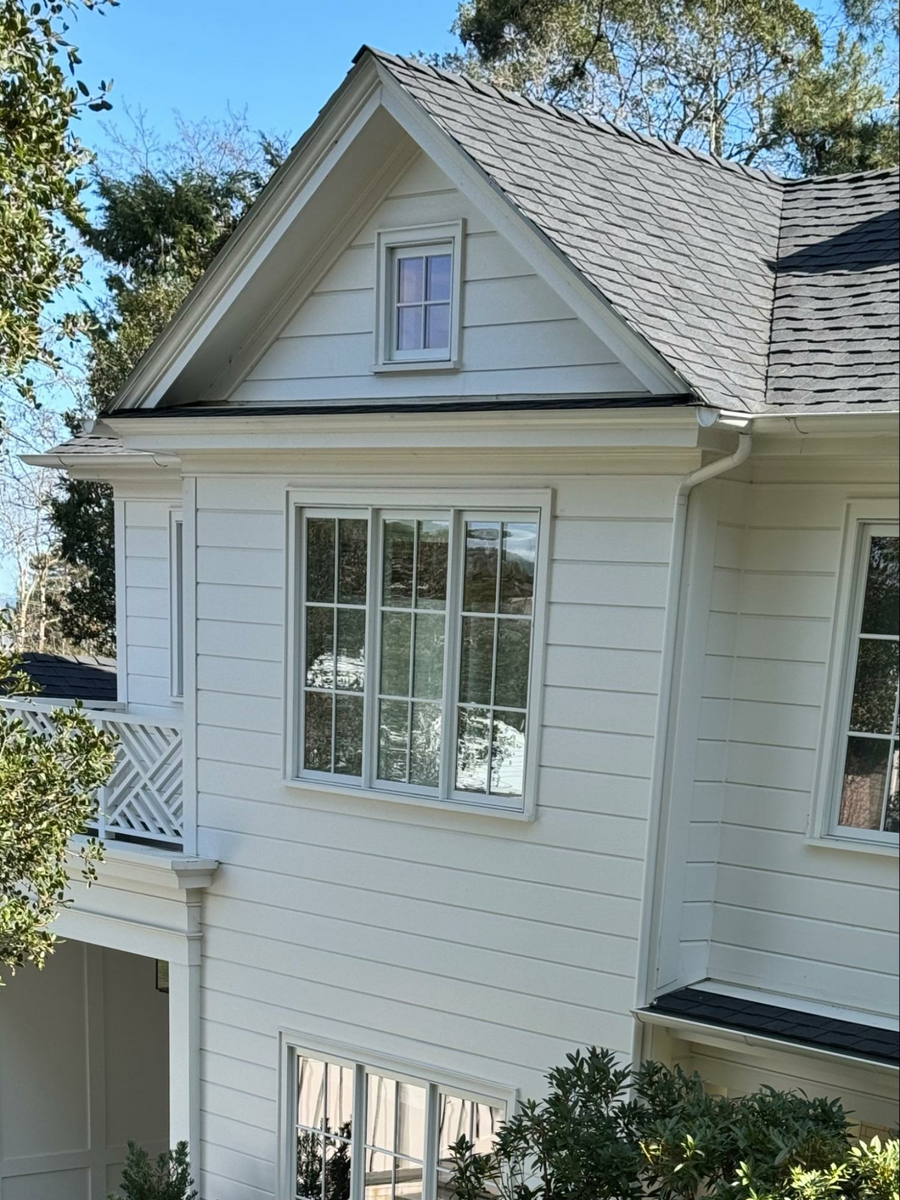
Photo credit: MetaphorEdge,
Location: San Francisco Bay Area, California,
Wood Highlights: Facias, soffits, roof lines, window trim, siding, exterior moulding, door trim all contribute
to keeping air and rain at bay with proper maintenance
DISCLAIMER
The information in this article is provided solely for general informational purposes and does not constitute professional, technical, legal, or regulatory advice. Codes, permitting requirements, and construction standards vary by jurisdiction. Consult a licensed architect, engineer, contractor, professional designer, and your local building authorities before beginning any project. Lowpensky Moulding assumes no responsibility or liability for actions taken based on the content of this article.