

Elevate Your Home with the Perfect Baseboard Mouldings
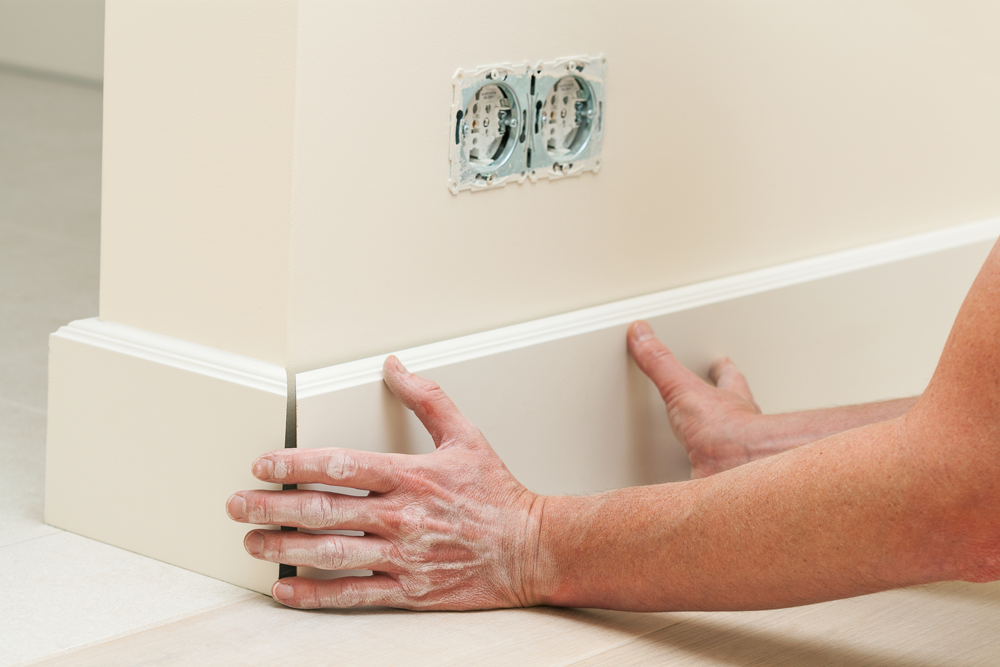
Baseboard mouldings are not just functional elements for covering the joint between the wall surface and the floor; they also play a crucial role in defining the aesthetic and character of your home. This guide delves into various aspects of baseboard mouldings, including style selection, installation techniques, and maintenance tips.
Choosing the Right Baseboard Mouldings
Understanding Different Wood Materials
Baseboards, an essential element of interior finishing, can be crafted from various types of wood, each offering unique characteristics. Here’s a detailed look at some of the most commonly used woods for baseboards and their respective pros and cons:
Pine Wood
Pros:
- Affordability: Pine is one of the most cost-effective options for baseboards.
- Workability: It’s easy to cut, shape, and install, making it ideal for DIY projects.
- Versatility in Finishing: Pine takes paint and stains well, allowing for a wide range of finishing options.
Cons:
- Softness: A softer wood is more prone to dents and scratches.
- Knots and Resin: Pine often has visible knots and can exude resin over time, which might not be desirable for all styles.
Oak Wood
Pros:
- Durability: Oak is a hard, dense wood, making it highly durable and resistant to dents.
- Grain Pattern: It has a pronounced grain pattern, which can add a rich, textured look.
- Stain Compatibility: Oak takes stain well, highlighting its natural grain.
Cons:
- Cost: It’s more expensive than softer woods like pine.
- Weight and Hardness: These features can make oak more challenging to cut and install.
Maple Wood
Pros:
- Fine Texture: Maple has a smooth, fine grain, giving it a clean, modern look.
- Hardness: It’s a hard wood, which imparts good durability.
- Uniform Appearance: Maple’s light color and subtle grain pattern offer a uniform appearance, which is excellent for a contemporary or minimalist aesthetic.
Cons:
- Cost: Similar to oak, maple is on the pricier side.
- Staining Challenges: Maple can be challenging to stain evenly due to its density and grain structure.
Poplar Wood
Pros:
- Softness: Easier to work with than harder woods, making it good for intricate designs.
- Paint-Friendly: Poplar takes paint well, offering a smooth finish.
- Cost-Effective: Generally more affordable than hardwoods like oak and maple.
Cons:
- Softness: More susceptible to dents and scratches.
- Staining Issues: It doesn’t take stain as well as other woods, which can lead to a blotchy appearance.
Cherry Wood
Pros:
- Aesthetics: Cherry wood has a rich, warm color and a fine, straight grain that looks elegant.
- Aging: It darkens gracefully over time, enhancing its beauty.
- Workability: Despite its hardness, cherry is relatively easy to work with.
Cons:
- Cost: Cherry is one of the more expensive wood types.
- Sunlight Sensitivity: It can lighten or darken unevenly when exposed to sunlight.
Walnut
Pros:
- Rich Color: Known for its deep, luxurious color that can add sophistication to any room.
- Grain Texture: It has a beautiful grain pattern often highlighted in high-end finishes.
- Durability: Walnut is a hard and durable wood.
Cons:
- Cost: It’s a premium wood, making it more expensive.
- Availability: Less commonly available than other woods like pine or oak.
Style and Design Considerations
Learn how to choose baseboard mouldings that complement your home’s architectural style. Whether your home is contemporary or traditional, we guide you through selecting designs that enhance your interior.
Installing Your Baseboard Mouldings
DIY Installation Tips
A step-by-step guide for homeowners interested in DIY installation of baseboard mouldings. We cover everything from measuring and cutting to the final installation process.
Professional Installation Advice
For those who prefer professional installation, we offer insights on what to expect from the process, how to choose a skilled installer, and how to ensure the job is done right.
Maintaining Your Baseboard Mouldings
Cleaning and Care Tips
Maintaining your baseboard mouldings is key to their longevity. We provide tips on regular cleaning, wearing and tear, and when to consider repainting or refinishing.
FAQs About Wood Baseboard Mouldings
Q: Why choose wood for baseboard mouldings over other materials?
A: Wood offers a timeless look and can be easily customized with various stains and paints. It also adds warmth and a natural element to your space.
Q: How do I select the height and thickness for my wood baseboard mouldings?
A: The right size depends on your room’s ceiling height and the overall design aesthetic. Taller ceilings might benefit from taller baseboards for proportion, while smaller rooms might look better with thinner and shorter mouldings.
Q: Can wood baseboard mouldings be used in high-moisture areas?
A: While wood is not as moisture-resistant as some synthetic materials, certain types of treated wood can be used in higher-moisture areas. Choosing the right wood and possibly applying a moisture-resistant finish is essential.
Q: Are wood baseboard mouldings environmentally friendly?
A: Wood can be eco-friendly, mainly if sourced from sustainable forests. Look for certifications like FSC (Forest Stewardship Council) to ensure the wood is eco-friendly.
Q: How often should wood baseboard mouldings be refinished?
A: This depends on the wear and tear they experience. Wood baseboards in high-traffic areas might need refinishing every 5 to 10 years.