


Photo credit: Metaphor Edge
Location: San Francisco, California,
Wood Highlights: A pocket across the opening where the window
sits back from the adjacent wall is seen here at this professionally designed room.
Wood Valances Add Architectural Polish to Windows
How does an interior designer or an interior architect design a window that feels completely integrated with both the interior room and the exterior architecture of the building? One of the most effective solutions is the use of wood valances—a small but highly impactful detail that adds architectural polish to this transitional area.
In the historic home shown above, the traditional crown moulding was intentionally located away from the window, creating a recessed pocket across the opening. Because the window sits back from the adjacent wall plane, the top of the shade can be discreetly hidden from view. This strategy provides refinement, simplifies the visual appearance of the window, and demonstrates an expert technique frequently used by professional designers.
A well-placed wood trim valance solves functional needs while elevating the architecture, contributing to the overall design vocabulary of the room.
Crown Trim Valance Versatility
A wood trim valance performs several discrete functions. At its simplest, it hides window treatment hardware, including tracks, roller mechanisms, or the top of a roman shade—elements that are often visually distracting. A valance can be designed with a flat edge profile for a modern look or with a crown moulding profile that curves and steps down from a higher point to a lower one for a more traditional aesthetic.
Once installed at the ceiling or just above the window, the valance creates a small cavity that conceals the window treatment completely. This simple move achieves a polished, intentional look that keeps the focus on the window’s proportions and the light entering the room.
Fontana Construction shared images of a Pacific Heights residence showing numerous window design solutions where the ceiling meets the exterior wall. In these spaces, wood trim plays an essential role, making a valance that works with the overall design of the room. In one living area, a round bay window sits adjacent to balcony doors, and the combined work of the designer and contractor resulted in a beautifully resolved trim strategy that supports both function and elegance.
Thoughtful wood detailing makes all the difference in harmonizing window geometry, shading devices, and architectural style.
Wood Trim Takeaways
Wood valances and trim details allow designers and builders to:
- Conceal hardware in a seamless architectural way
- Create a clean, shadowed transition between the window and ceiling
- Support both modern and traditional interiors depending on the profile
- Improve durability around high-touch areas
- Reinforce the home’s design vocabulary without overpowering it
- Simplify maintenance by keeping treatments protected from dust and wear
These small decisions accumulate, creating rooms that feel quietly elevated and carefully constructed.
FAQ’s on Wood Valances
Why use wood instead of metal or drywall for valances?
Wood offers easier customization, refinishing, durability and profile variation. It also coordinates well with baseboards, casings, and crown moulding, supporting a cohesive design. It’s very versatile and can be specified FSC certified. Lowpensky Moulding offers custom moulding in any size, shape, and species, delivered to your curb.
Do wood valances need to match the room’s trim?
Not always. Some designers choose a matching species or color for harmony, while others use a minimal, painted valance that blends into the ceiling for an unobtrusive look.
Can valances work in modern interiors?
Yes. Modern valances often use flat-edge profiles and crisp shadow lines to conceal treatments without adding ornamentation.
Where should a valance be located?
Placement varies. Some are ceiling-mounted to maximize height and hide roller shades, while others align just above the window opening depending on existing trim conditions.
Further Reading
Explore more from the Lowpensky Resources series:
- Flat Edge Trim for Modern Interiors
- Crown Moulding Profiles for Transitional Rooms
- Custom Trim Strategies for Window and Door Openings
Ready to Conceal a Slot With Trim?
If you’re ready to have a custom profile made to order for your interior valance project, reach out to Lowpensky Moulding, where custom trim, valances, and specialty woodwork are produced every week. Your custom wood valance can be milled to your specifications, delivered unfinished, and ready for installation.
A well-crafted wood trim valance is a small detail with major impact, bringing durability, concealed function, and architectural polish to any room.
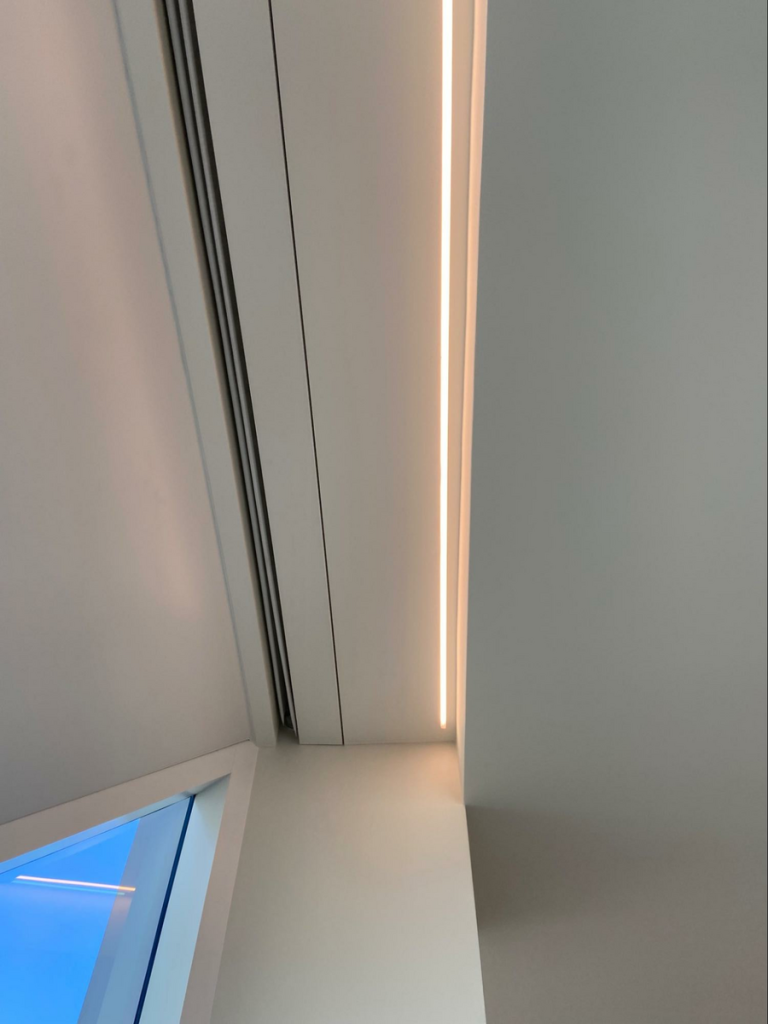
Photo credit: MetaphorEdge,
Location: San Francisco, California,
Wood Highlights: A flat, square edge trim at the window with a recess allows for both lighting and
a pocket for roman style shading, designed by a SF Bay Area architect.
Wood trim here is used minimally in the transition area to provide modern
shadow lines and extra durability, easing maintenance requirements as well as function.
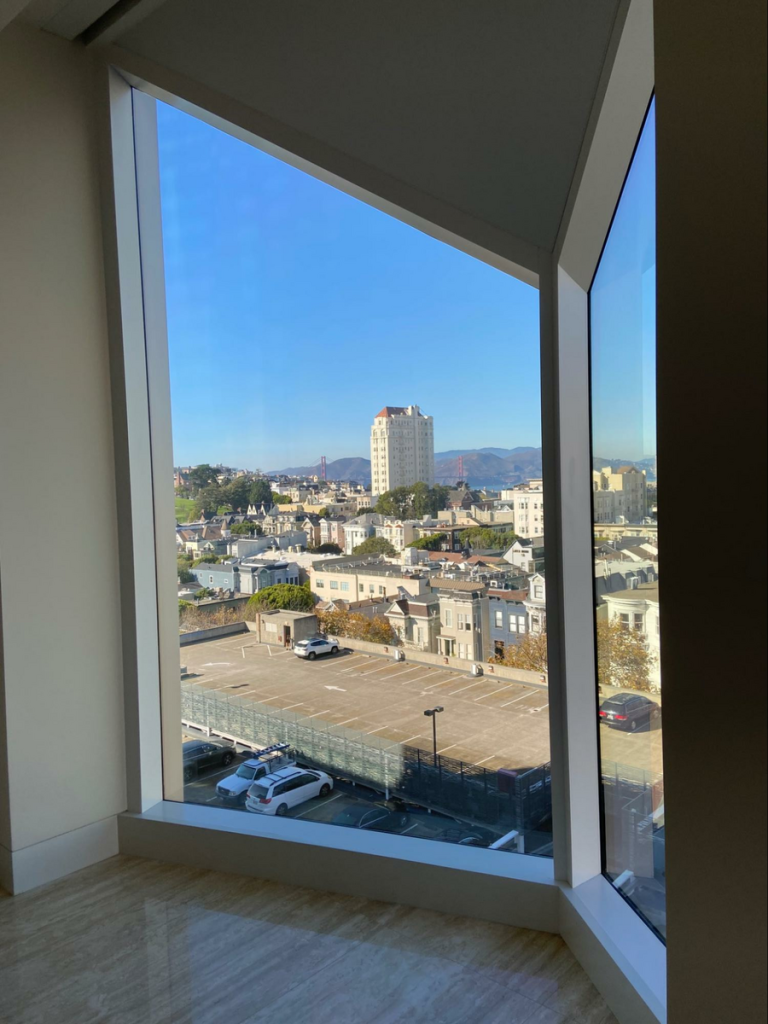
Photo credit: MetaphorEdge,
Location: San Francisco, California,
Wood Highlights: Contemporary windows with unusual geometry call for interior wood trim located often flush with adjacent surfaces, both a durable and minimalist design solution as seen here in this condominium project. The stepped area where the ceiling meets the window can utilize flat edge wood trim as well to reduce wear and tear and yet remain consistent with the contemporary design. Baseboards follow the perimeter of the room and neatly run through the angular spot at the lower portion, a truly modern design.
DISCLAIMER
The information in this article is provided solely for general informational purposes and does not constitute professional, technical, legal, or regulatory advice. Codes, permitting requirements, and construction standards vary by jurisdiction. Consult a licensed architect, engineer, contractor, professional designer, and your local building authorities before beginning any project. Lowpensky Moulding assumes no responsibility or liability for actions taken based on the content of this article.