

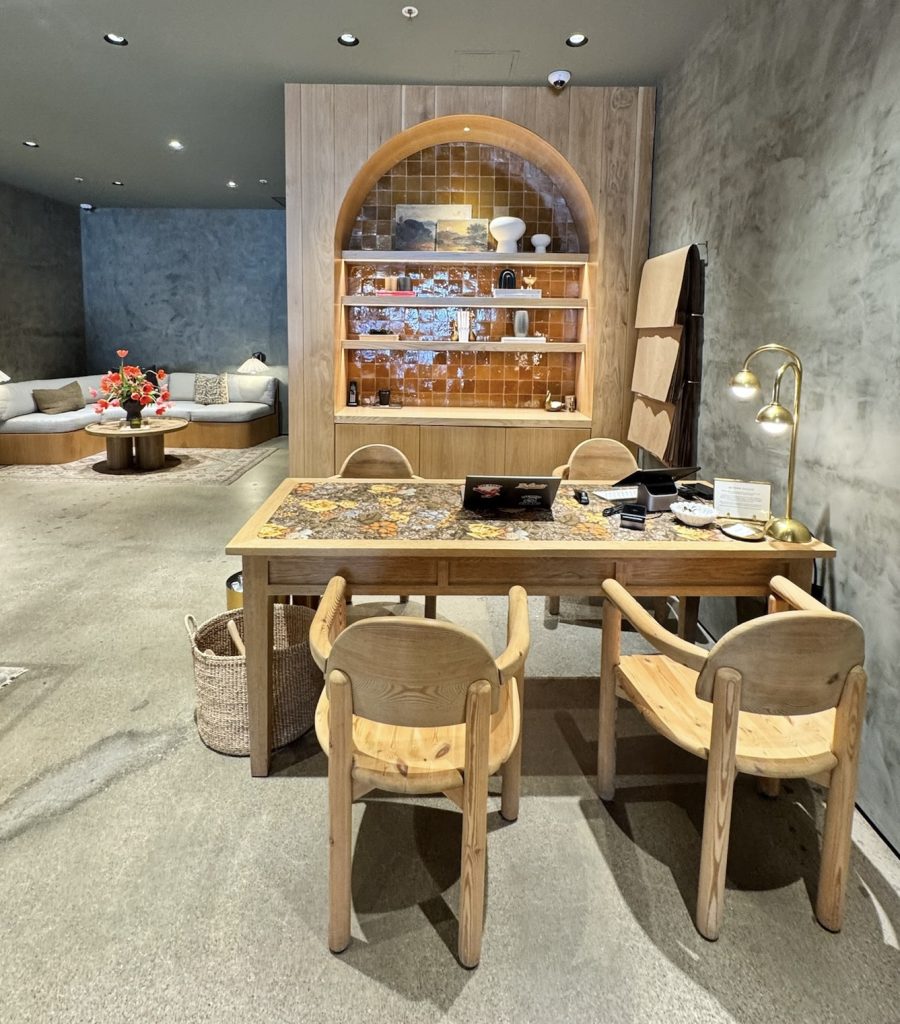
Photo credit: MetaphorDesign.com, Location: The Great, Marin Country Mart,
Wood Highlights: Natural wood trim at checkout desk and wood T&G backdrop design form a cohesive and memorable experience
Counter Culture: Wood Features at Top Retail Counters
Retail counters are no longer just checkout points. They are branding surfaces, display moments, and design signatures. Whether in a boutique, a hotel gift shop, a flagship fashion store, or a modern wellness studio, the counter is often the first place a customer engages in conversation—and design speaks first. Custom wood moulding elevates these critical spaces with warmth, structure, and continuity.
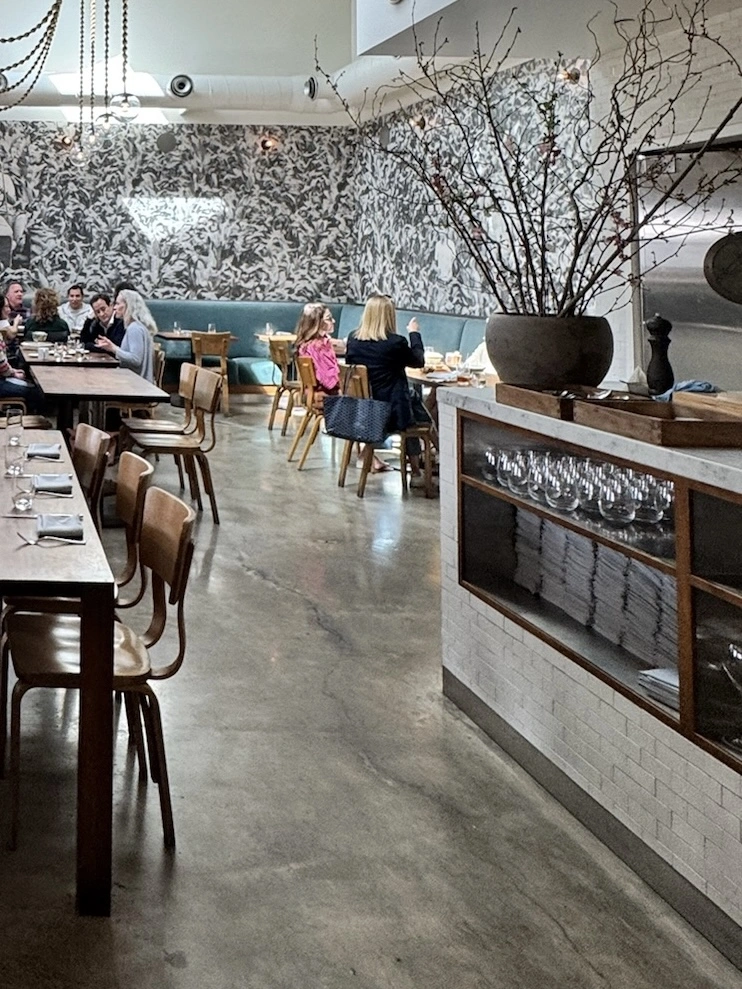
Photo credit: MetaphorDesign.com, Location: Farmshop, SF Bay Area
Wood Highlights: Natural wood trim design at inset shelving at this long counter adds warmth
Making the Counter the Main Event
Counter design is a key storytelling tool. It defines how a customer approaches, interacts, and exits a space. A well-crafted retail counter does more than house a register—it integrates shelving, creates product showcases, and acts as a visual anchor for the interior. Wood moulding offers essential tools for articulating these elements with precision.
Classic components like shelf trim molding, wood crown molding profiles, and face-frame detailing help delineate surfaces, organize customer-facing displays, and create transitions between materials. Whether you’re going for clean minimalism or layered tradition, architectural moulding gives designers the flexibility to define tone and function.
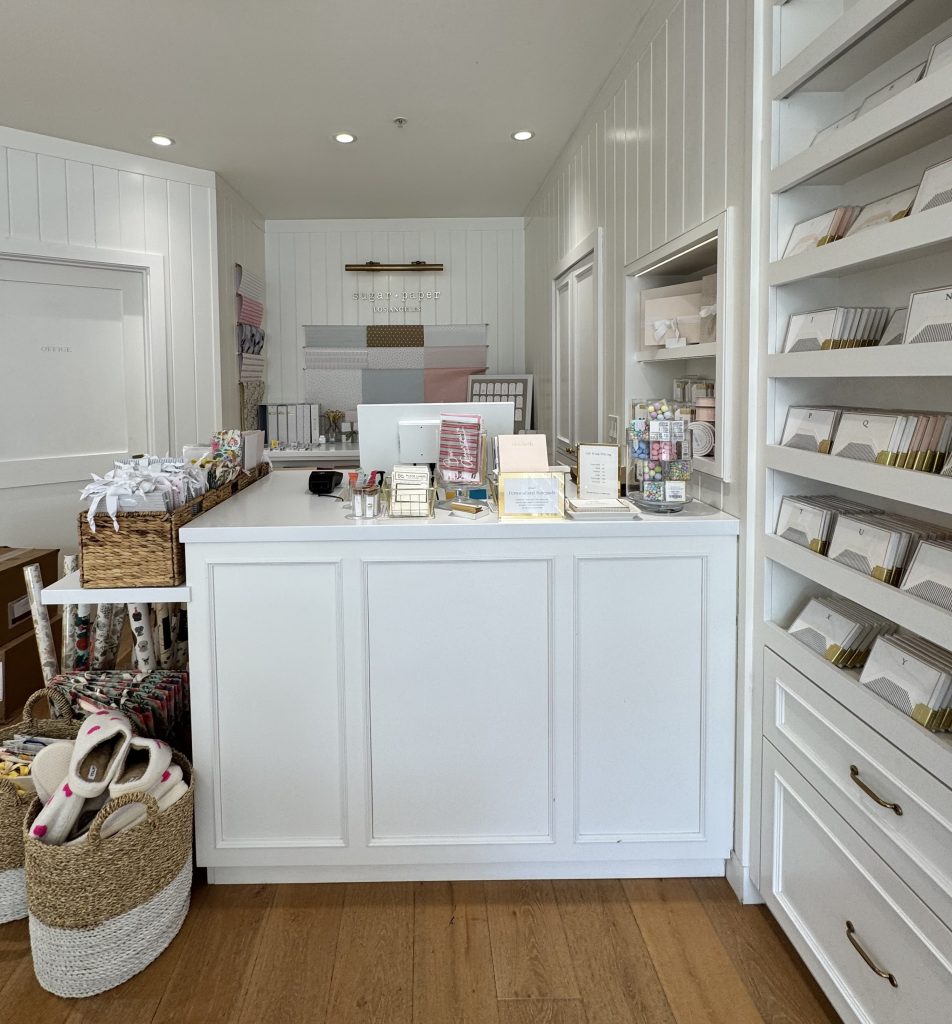
Photo credit: MetaphorDesign.com, Location: Sugar Paper, Larkspur, California,
Wood Highlights: Classic painted wood trim design at store checkout counter with painted wood wall treatment
provides a bespoke experience reinforcing brand values
Examples in the Wild: Great Retail Counters Incorporate Wood Details
- Dezeen magazine highlights a counter and restaurant design incorporating wood elements in a unique way at Endo.
- A modern take on a check out desk is seen in this French-and-Japanese fused design for a Parisian jewelry brand Gemmyo.
- Ayesha Curry’s lifestyle boutique and cafe, Sweet July, in the SF Bay Area incorporates warm wood elements in a muted peach featured in Architectural Digest.
- Aritzia’s Bloor Street flagship and local Corte Madera stores use light oak millwork and trim behind as a dramatic contrast to the sleek marble cash desks.
- McEvoy Ranch’s SF Ferry Building boutique translates the spirit of its Petaluma estate through oak millwork, ranch-inspired shelving and trim, and a focal counter wrapped in natural wood—offering a grounded, artisan retail experience.
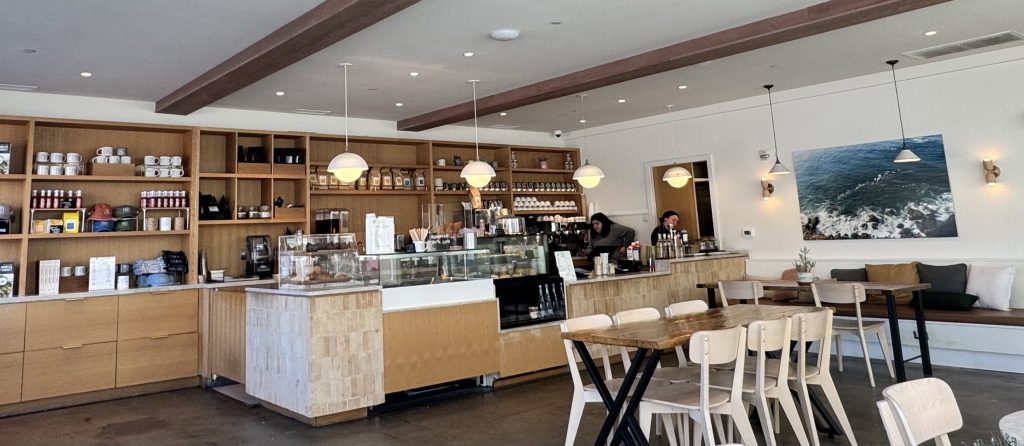
Photo credit: MetaphorDesign.com, Location: Cafe at Malibu Farm,
Wood Highlights: Natural wood design elements combined with tile at checkout counter
Why Wood?
Wood brings unmatched warmth, texture, and natural variation. It softens harder materials and otherwise cold environments, contrasts beautifully with tile, glass or concrete, and offers a tactile invitation to interact. That’s why designers across industries—from wellness to fashion—turn to wood trim to enrich the retail experience.
More than just aesthetic, moulding serves practical purposes at retail counters:
- Protects high-traffic edges
- Hides joints and material transitions
- Adds modularity for future expansion
When durability is key, species like white oak, maple, walnut, and cherry offer proven performance. The Architectural Woodwork Institute (AWI) recommends solid hardwood or high-grade veneer with sealed finishes for commercial settings. These materials are known for withstanding daily wear while maintaining their appearance when properly installed and maintained, per AWI recommendations.
That’s why designers across industries—from wellness to fashion—turn to wood trim to enrich the retail experience. Industry experts have noted a rise in demand for moulding and trim details in upscale interiors, especially in commercial applications like retail. LBM Journal’s in-depth report highlights how trim profiles offer both function and finesse across sectors, reinforcing their importance in design planning.
Moulding Profiles That Matter at Counters
Designers have an array of profiles to work with. Common choices for retail counters include:
- Shelf Trim Moulding – Finishes open shelving with polish and helps create consistent lines across product displays.
- Cove Moulding – Provides soft curved transitions between vertical and horizontal panels, often found at cabinetry bases or integrated displays.
- Ogee Moulding – Brings traditional elegance to high-end or heritage-inspired counters, used along the top or base.
- Base Cap Moulding – Enhances toe kicks and transitions at the counter’s base with decorative detail.
- Panel and Casing Moulding – Adds framing to the front or sides of the counter, reinforcing architectural rhythm and visual segmentation.
- Crown Moulding – a classic way to top off and highlight the upper area. Consider a wood crown moulding profile as a curtain valance for a unique feeling behind the check out desk.
Each moulding element serves a dual role—providing both aesthetic enhancement and functional clarity.
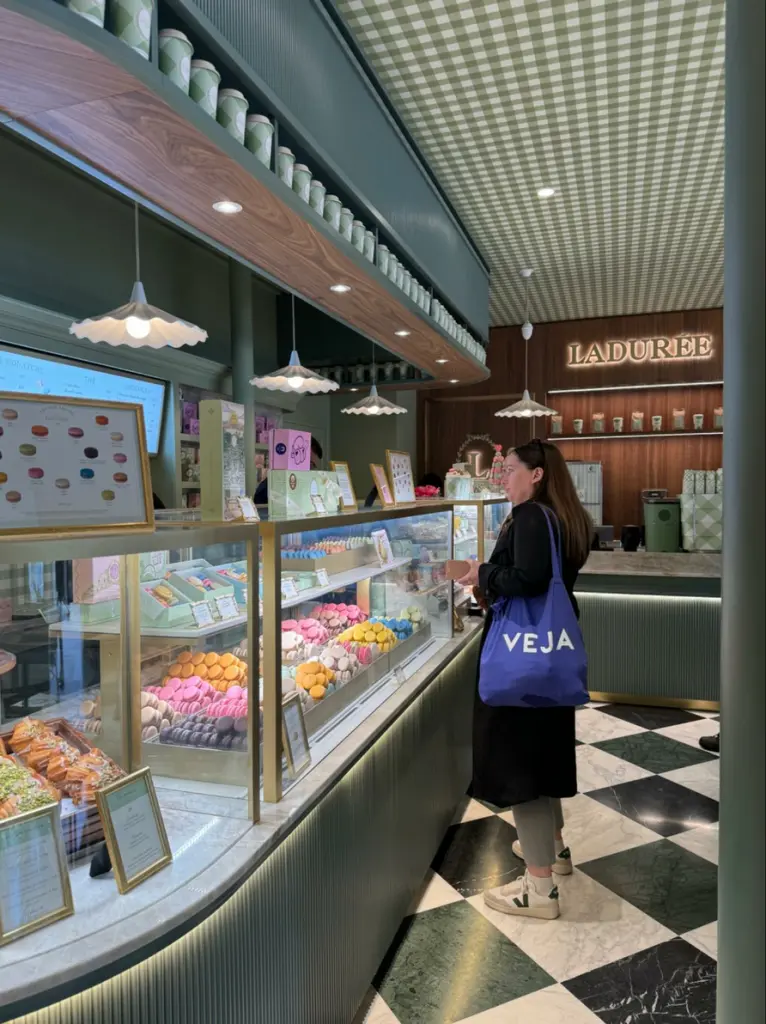
Photo credit: MetaphorDesign.com, Location: Laduree, Paris, France
Wood Highlights: Painted and natural wood design elements at service counter
Set the Stage – Beautiful Backdrops
Retail counters don’t exist in a vacuum—they’re part of a larger stage where merchandise, messaging, and memory come together. The right trim elements help unify this scene, anchoring branding moments within the built environment. Consider the backdrop behind a retail counter: vertical panel moulding can frame illuminated signage, create symmetry behind shelving, or emphasize niche displays. Strategic use of moulding draws the eye toward focal products while reinforcing the design language customers associate with your brand. In this way, every piece of trim becomes part of the storytelling toolkit—quietly guiding the customer’s gaze, shaping their movement, and elevating the experience from transactional to immersive. Having a hierarchy in the design of this elevation will further highlight the importance of this area for interacting with customers, making work flow easier and the customer experience unforgettable.

Photo credit: MetaphorDesign.com, Location: Miette, SF Bay Area
Wood Highlights: Colorful painted wood trim design at checkout counter and adjacent areas
Designing for Branding & Function
Trim and moulding aren’t just decorative—they’re tools to communicate brand identity. For instance:
- A wellness brand might choose natural wood shelf moulding in a whitewashed finish.
- A luxury label may opt for deep-stained walnut with inset panel moulding and custom edges.
- A hotel shop counter could integrate flat-panel oak casing with minimal reveals for a Scandinavian-modern feel.
When specifying trim, consider:
- Scale & Proportion – Moulding should fit within the counter’s height, depth, and surrounding millwork.
- Finish Matching – Wood tones can either complement or intentionally contrast the brand palette.
- Maintenance – Select species and protective finishes based on traffic volume, cleaning products, and exposure to light or moisture as well as air quality.
ADA Guidelines for Sales and Service Counters: To ensure accessibility in retail design, consult the ADA’s guidelines on sales and service counters. This resource outlines requirements for accommodating all customers effectively.
Modern Shop Counter Design Ideas for Your Retail & Online Store
Can brilliant brick-and-mortar design bring in the big bucks?
Custom Wood Moulding Solutions from Lowpensky
At Lowpensky Moulding, we partner with architects, designers, and builders to mill trim profiles that match your vision and project demands. Whether you’re replicating a heritage profile or inventing something new for a retail rollout, we’ll work with your specifications to ensure precision, beauty, and reliability.
Need shelf trim to match an existing display? Want to reinterpret a historical profile for a modern studio? We’ll cut to order, finish to spec, and deliver ready-to-install packages curbside for your important retail environment.
Ready to bring warmth and structure to your next retail counter design? From fashion boutiques to lifestyle shops, the best retail counters aren’t just functional—they’re branded, beautiful, and built to last. Wood moulding makes that possible.
From your concept sketches to aligning production schedules, Lowpensky supports your entire order journey—so your counters work hard, feel cohesive, and make a true and valuable statement.
Designing a space that speaks your brand’s language? View our full moulding catalog or contact us to bring custom retail counter designs to life.
DISCLAIMER
The information in this article is provided solely for general informational purposes and does not constitute professional, technical, legal, or regulatory advice. Codes, permitting requirements, and construction standards vary by jurisdiction. Consult a licensed architect, engineer, contractor, professional designer, and your local building authorities before beginning any project. Lowpensky Moulding assumes no responsibility or liability for actions taken based on the content of this article.