

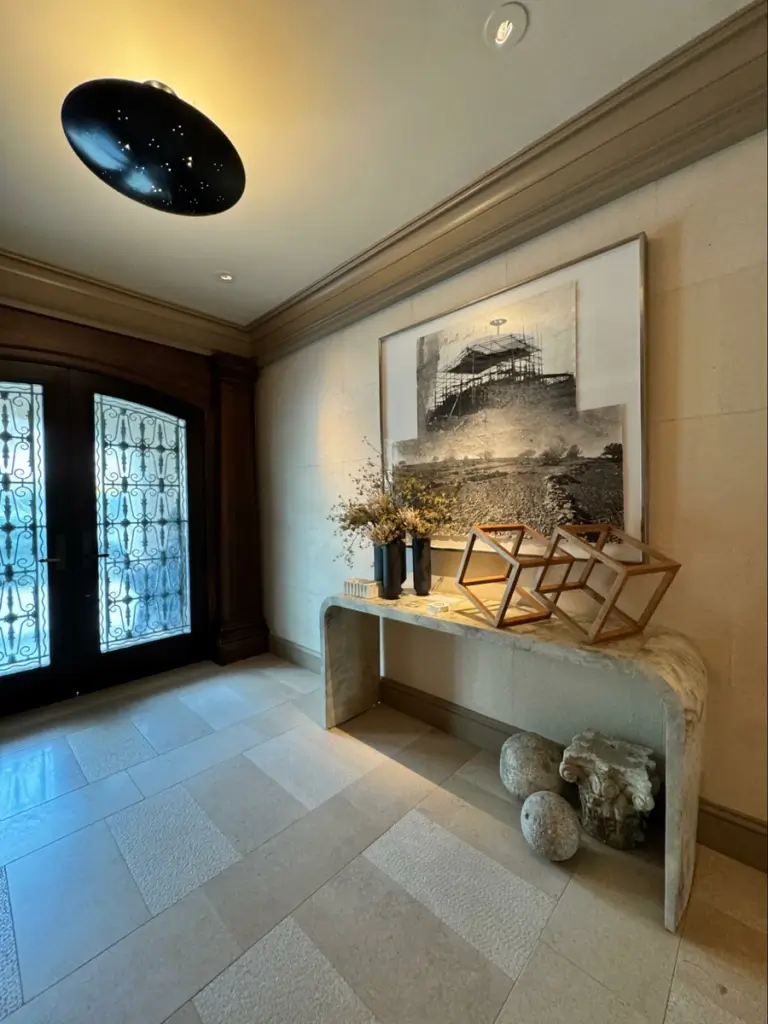
Photo credit: MetaphorEdge,
Location: San Francisco, California,
Wood Highlights: Large-scale painted crown moulding, baseboards, door trim
Entryway Moulding for Beautiful Transitions: Framing First Impressions
In architectural storytelling, no chapter is more crucial than the opening. The entryway is the first sense of a home, the visual overture of a commercial lobby, and the threshold that sets the tone and an opportunity to wow your guests and welcome yourself back. With thoughtful use of entry moulding, designers and builders elevate these introductory spaces from expected to exceptional.
Whether you’re working on a residential renovation or crafting the first impression for a commercial build, entryway moulding offers the opportunity to merge style and structure. Let’s explore how strategic moulding applications—including transitions at stairs, halls, floors, walls, and ceilings—create a polished welcome for every visitor.
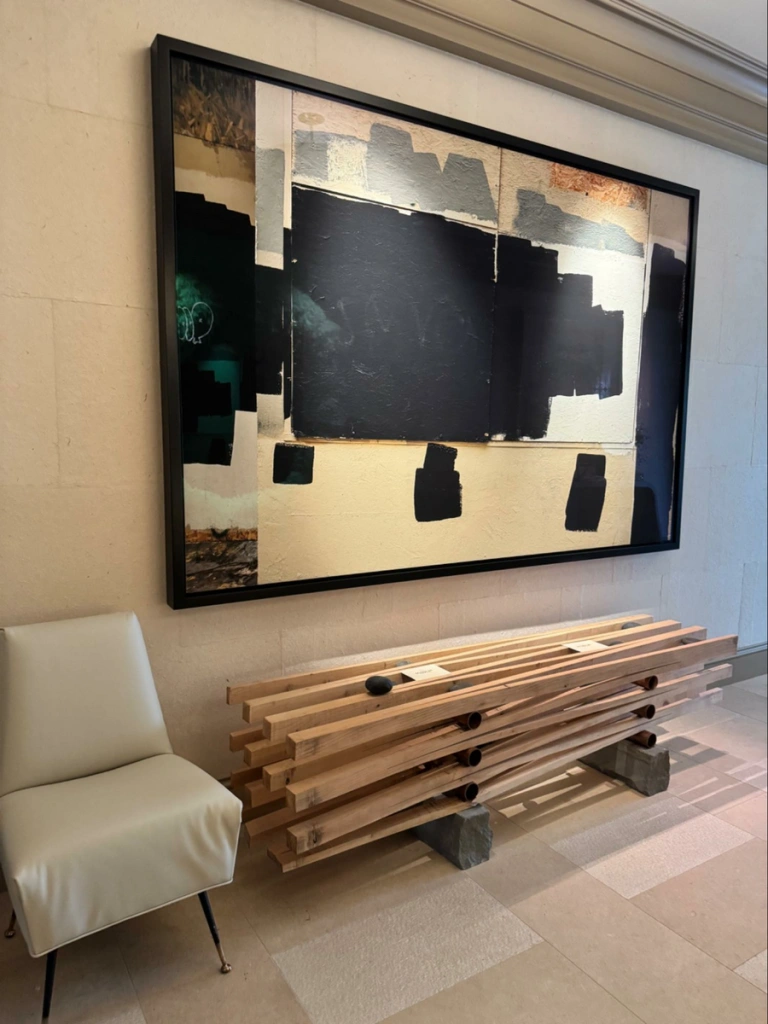
Photo credit: MetaphorEdge,
Location: San Francisco, California,
Wood Highlights: Large-scale painted crown moulding, baseboards
Why Entry Moulding Matters
Entry moulding frames the architectural narrative. It tells your client’s story before a single word is spoken. By outlining doorways, anchoring ceilings, and defining thresholds, entry moulding conveys intentionality and craftsmanship. From a sensory standpoint, it shapes how visitors feel when crossing the threshold.
Take, for example, a grand foyer where entry and staircase moulding complements floor transitions. The eye instinctively moves upward, following the carved rhythm of baseboards, casings, and crowns. This visual pathway not only grounds the structure—it establishes hierarchy and flow.
Design Decisions that Lead with Confidence
The examples shown here—photographed in a refined Pacific Heights residential interior including work by DLC —illustrate how layered transitions build elegance. In the first vignette, moulding with a soft, yet stepped, historic profile frames the wide double doors, drawing attention to the textured glass. The wall moulding establishes height, while the base trim wraps gently around the stone console and artwork, forming a unified frame.
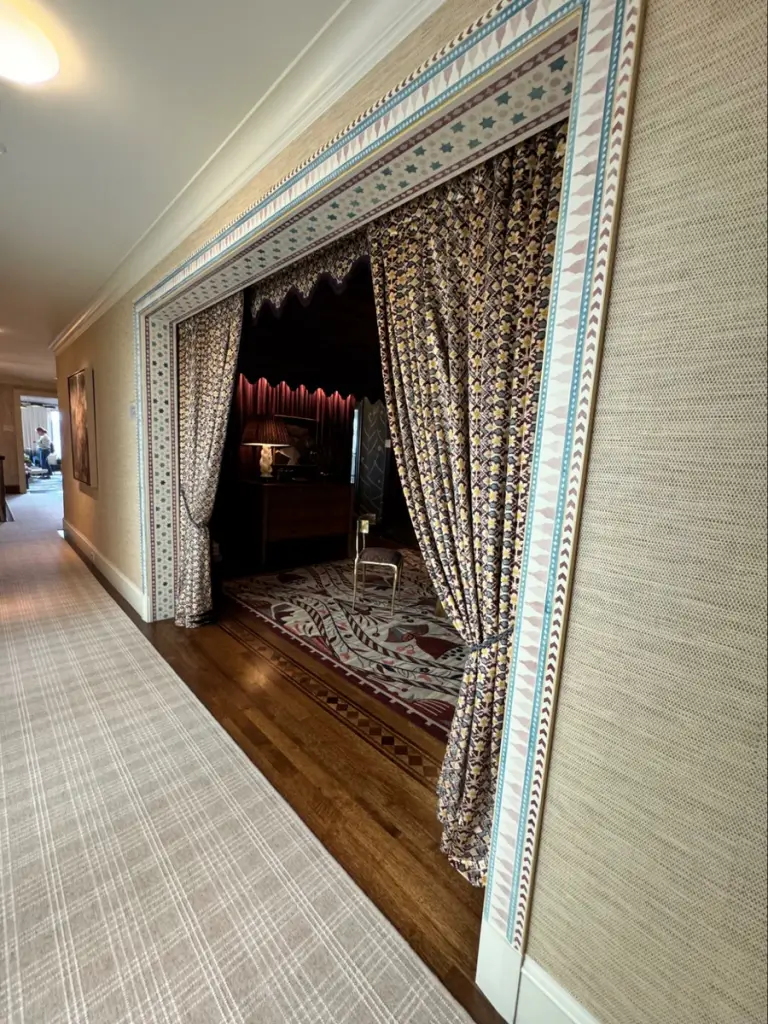
Photo credit: MetaphorEdge,
Location: San Francisco, California,
Wood Highlights: Painted crown moulding, baseboards, motif painted door casing, transitions, flooring
In another hallway, by a different professional designer, entryway moulding takes a vibrant turn. A boldly patterned casing surrounds a curtain-framed doorway, accenting the passage into a lounge and echoing the inlay wood flooring. This playful transition demonstrates how moulding doesn’t need to recede—it can lead. Even with such expressive elements, moulding is never out of step with function. It defines, protects, and organizes thresholds in one continuous gesture.
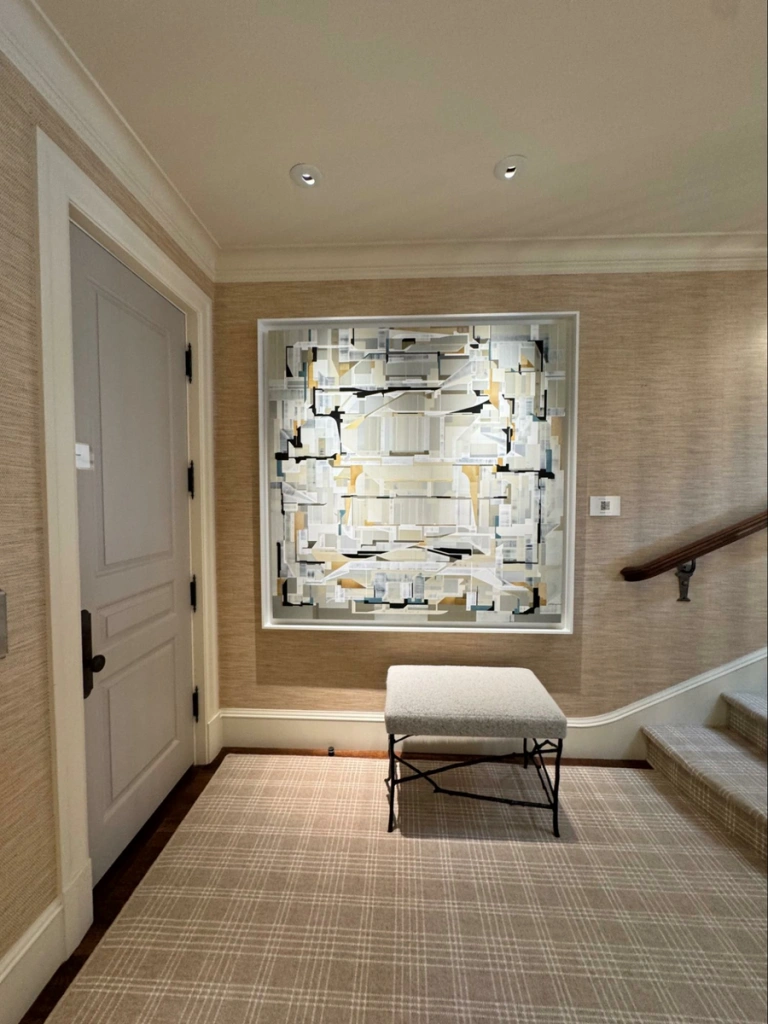
Photo credit: MetaphorEdge,
Location: San Francisco, California,
Wood Highlights: Painted crown moulding, baseboards, stair railing, door casing
Staircase Moulding: A Transition in Motion
As entries connect to staircases—often a few feet beyond the front door—staircase moulding plays a pivotal role in extending the welcome upward. When stair risers and walls are framed by detailed with rising moulding, it introduces scale and rhythm. Used effectively, this moulding prevents the vertical ascent from feeling abrupt. Instead, it becomes part of the home’s unfolding story.
For renovation projects, staircase moulding can help bridge past and present. It allows you to retain historic trim where possible, replicate profiles, and even modernize the palette while preserving the home’s character. Transitions, after all, should feel considered and smooth—not forced.
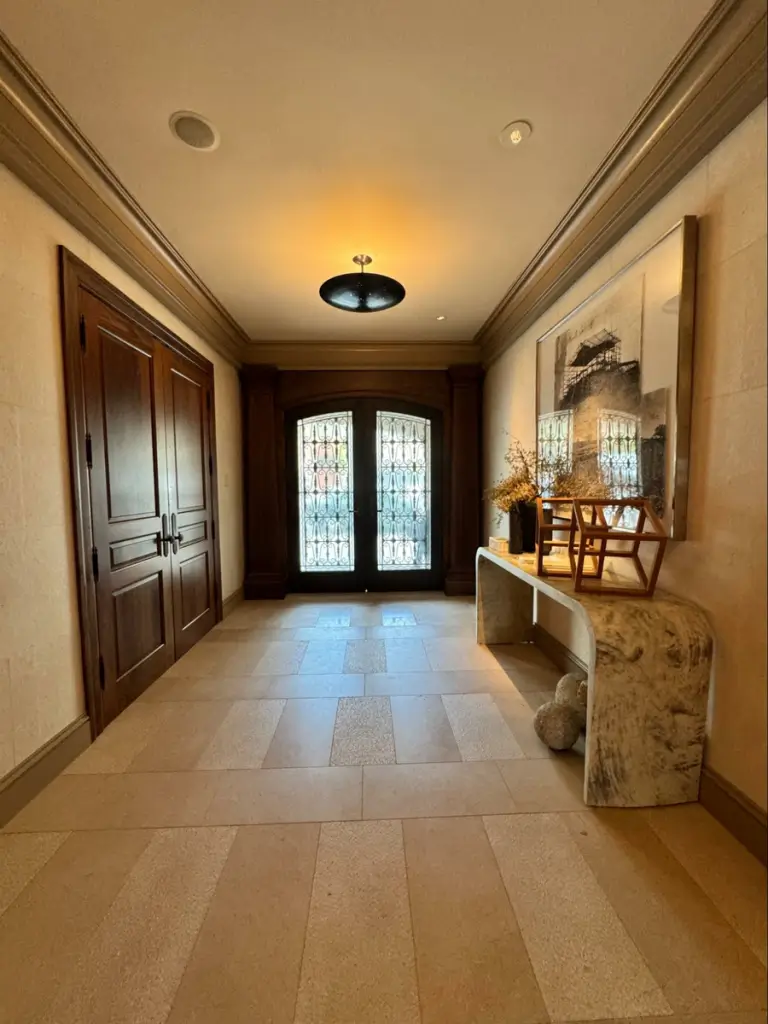
Photo credit: MetaphorEdge,
Location: San Francisco, California,
Wood Highlights: Painted crown moulding, baseboards, stained door casings
Entry Moulding in Modern and Traditional Styles
Lowpensky’s curated millwork profile library supports both classic and contemporary design languages. Want to create a minimalist transition for a new-build entry? Our crisp square-edge profiles deliver clean geometry. Prefer a more traditional look with curved surfaces and robust casings? We make custom mouldings to order that echo the scale and detail of period homes per your drawing.
In both cases, entryway moulding contributes to the sensory impression. It’s not just what visitors see—but what they feel. Depth, symmetry, contrast, warmth—these are the emotional tones set by well-selected trim. In commercial spaces, the same principles apply: define reception areas, usher guests in with intention, and delineate zones through architectural transitions.
Designers Weigh In: Entry Trim as a Framing Device
Many of the designers we work with treat entry moulding as a framing device, not unlike a picture frame around a significant piece of art. It guides the eye to what matters—whether it’s a gallery wall, a curated vignette, or a double-height ceiling.
The trim profiles seen in this project reveal the power of restraint. The stone flooring, for example, meets the base moulding with exacting precision. The framed artworks are contextualized by both light and trim lines. These subtle details elevate the entire experience.
Further Reading
Looking for more examples of elevated specialty spaces using trim and moulding? Check out these new design reviews:
- Sauna Sensibility: Trim and S4S for Your Sauna Build
- Strong Lines: Fencing with S4S and Custom Moulding Profiles
- Poolside Elegance: Wood Decking and Trim Moulding for Splash Zones
Each article brings new insight into the power of architectural transitions and custom wood profiles to finish your projects with purpose.
Make an Entrance That Lasts
At Lowpensky, we understand that first impressions deserve more than filler trim. Our wood natural wood moulding experts are ready to help you with our catalog, or customize entry moulding and staircase moulding from your sample or drawing that support seamless transitions and polished design. Let’s shape your welcome area together—one potent profile at a time.
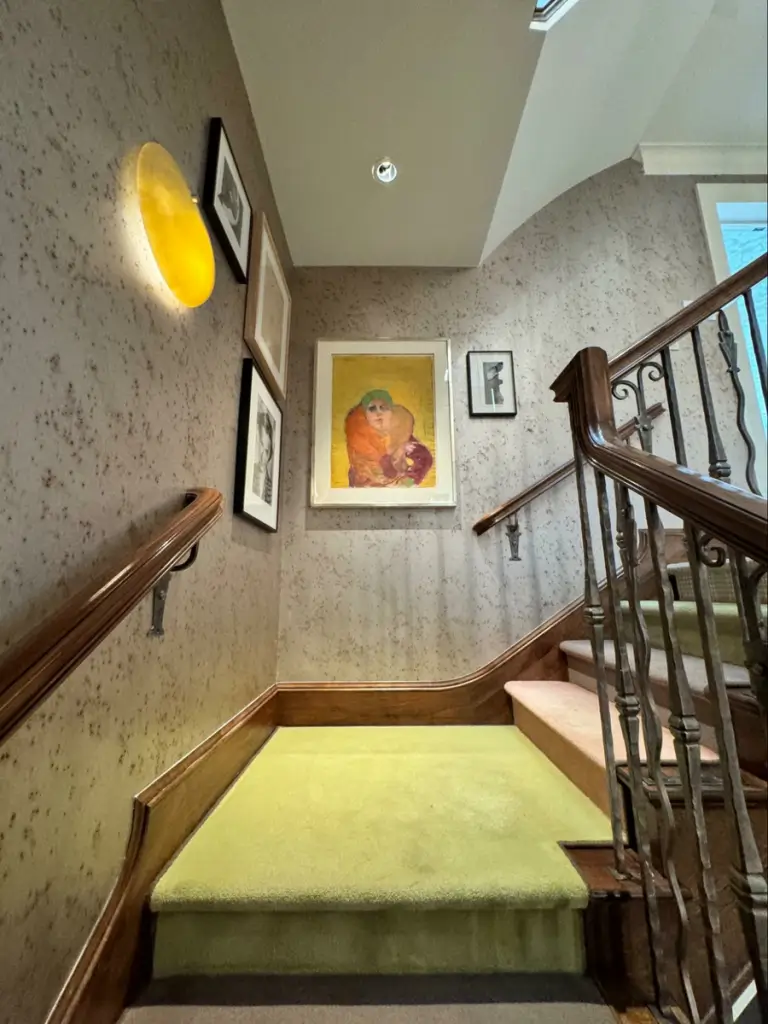
Location: San Francisco, California,
Wood Highlights: Painted crown moulding, baseboards, door casing, transitions, flooring, stair railing
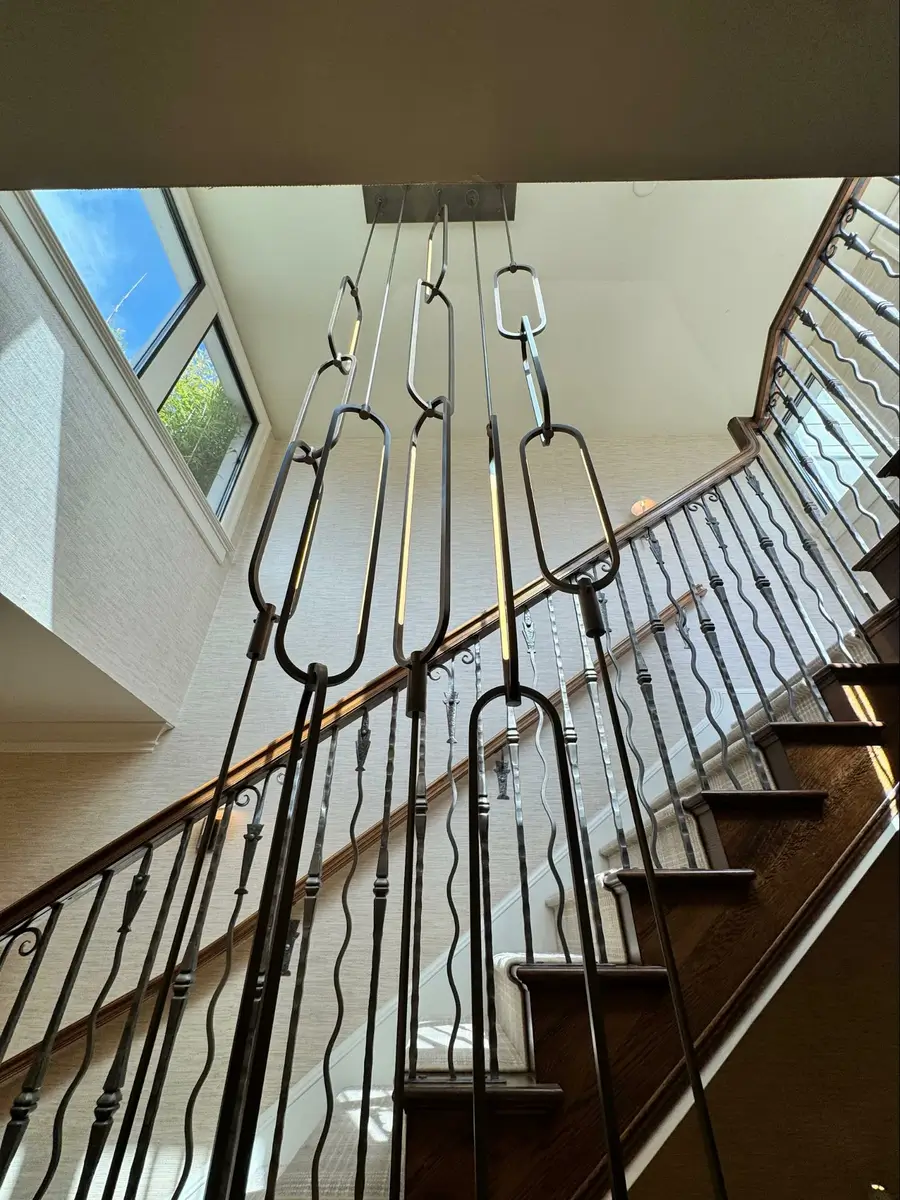
Photo credit: MetaphorEdge,
Location: San Francisco, California,
Wood Highlights: Baseboards, transitions, flooring, stair railing, stair trim
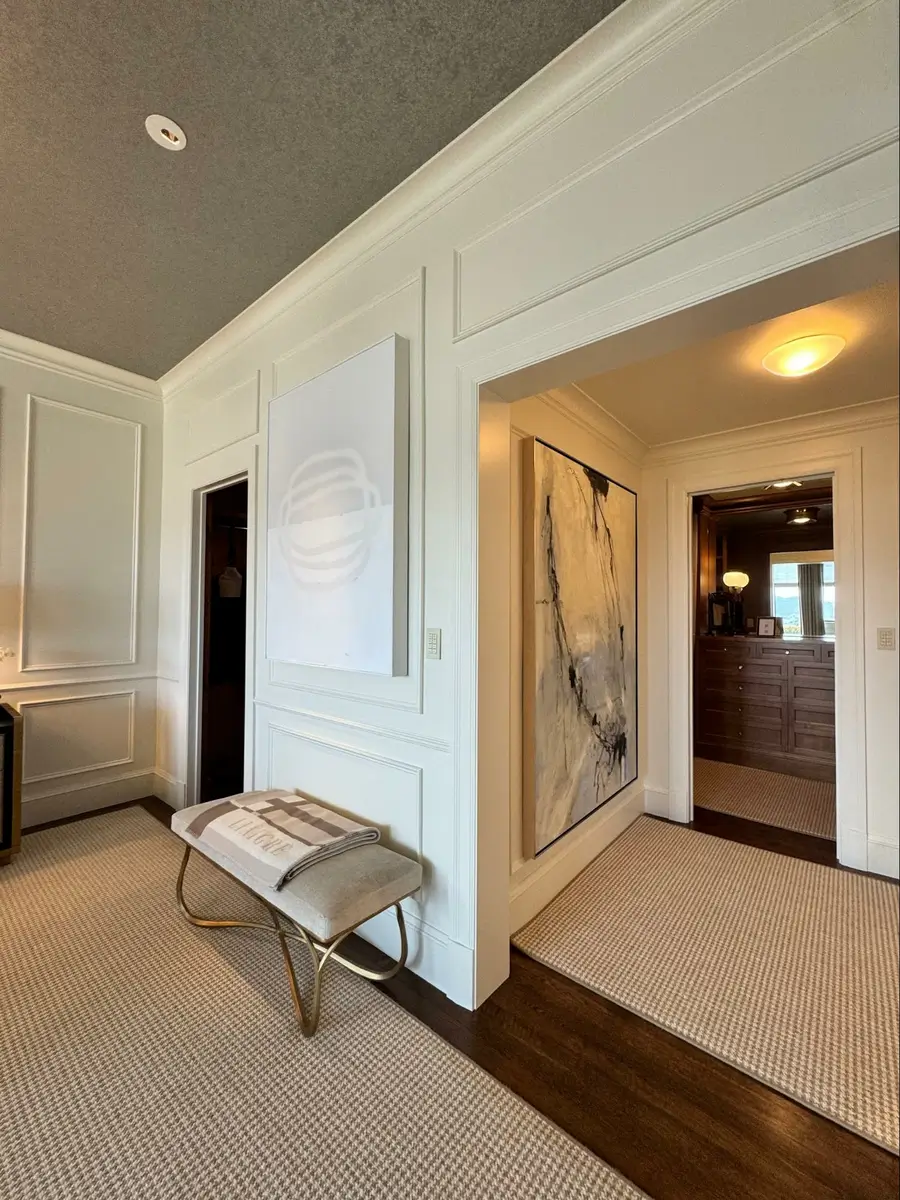
Photo credit: MetaphorEdge,
Location: San Francisco, California,
Wood Highlights: Baseboards, hall transitions, flooring, wall moulding, crown trim
DISCLAIMER
The information in this article is provided solely for general informational purposes and does not constitute professional, technical, legal, or regulatory advice. Codes, permitting requirements, and construction standards vary by jurisdiction. Consult a licensed architect, engineer, contractor, professional designer, and your local building authorities before beginning any project. Lowpensky Moulding assumes no responsibility or liability for actions taken based on the content of this article.