

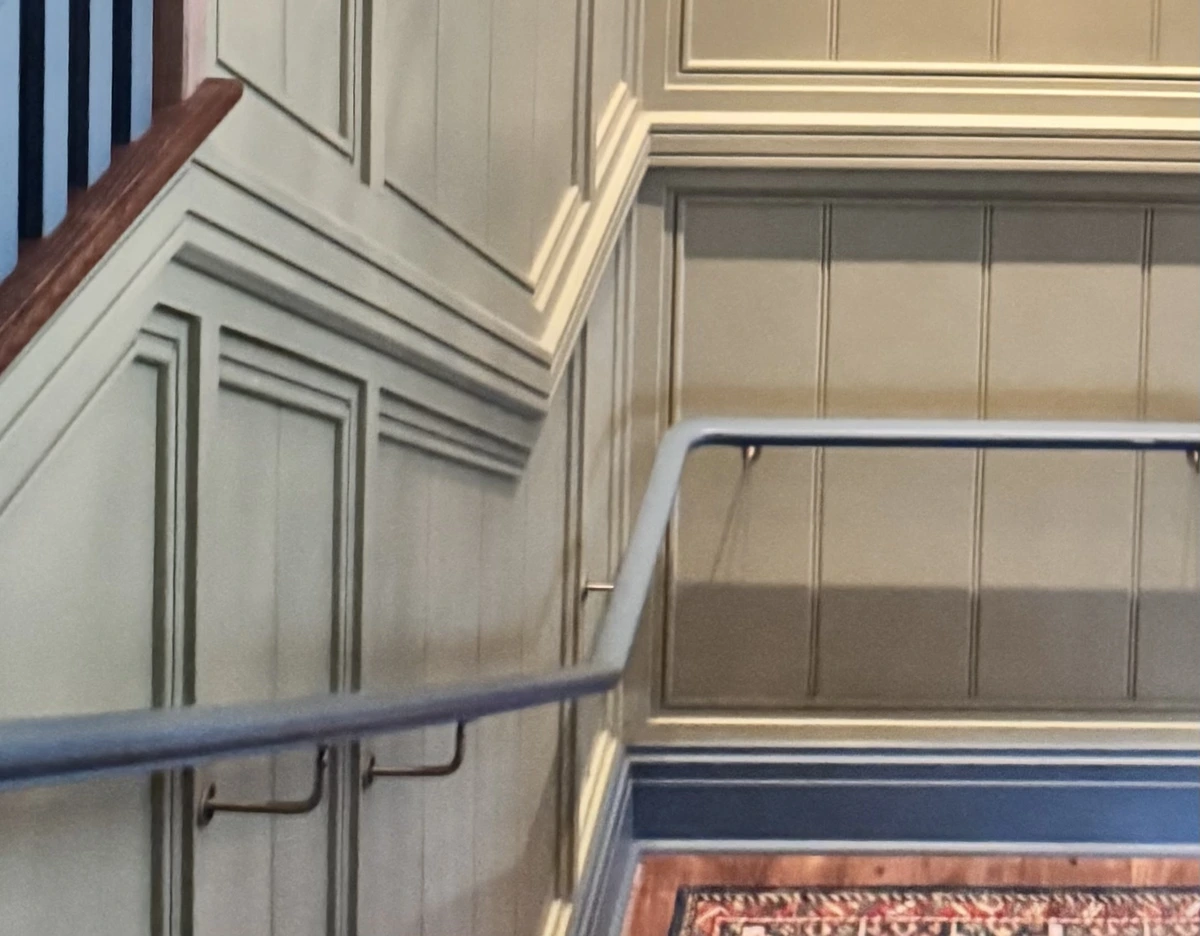
Photo credit: MetaphorEdge,
Location: Tiburon, California,
Wood Highlights: Painted cap moulding at chair rail height, panel trim moulding, baseboards, shoe moulding trim
Finish Strong: Caps & Shoes Pull It All Together
In architectural and interior design moulding, the final impression often comes down to the smallest details. That’s where cap moulding and shoe moulding step in. Far from being secondary, these finishing trim profiles are what make walls, floors, and built-ins look polished and intentional. Without them, transitions feel abrupt and unfinished. With them, every line resolves cleanly.
Whether you’re finishing a residential renovation or completing a commercial build-out, trim caps and shoes frame your work with crisp precision. These decorative trim elements highlight craftsmanship, conceal gaps, and create visual continuity between architectural surfaces.
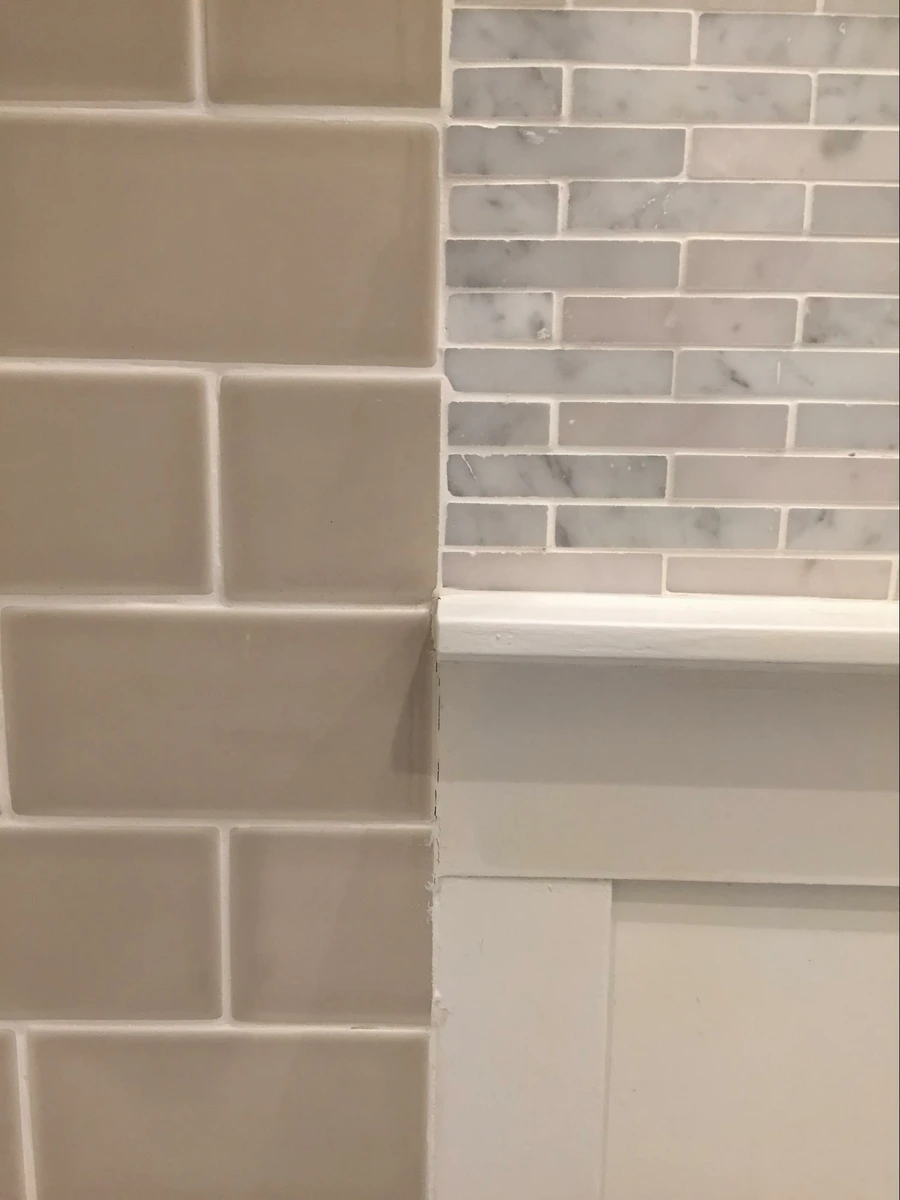
Photo credit: Metaphor Design,
Location: Private Residence, Marin County, California,
Wood Highlights: Painted cap moulding at chair rail height, wall panel trim moulding adjacent to wall tile
Cap Moulding Defined
Crown cap profiles—sometimes called cap moulding—are trim pieces that top off wainscoting, paneling, or built-in cabinetry. Functionally, they protect vulnerable edges. Aesthetically, they provide a visual “lid” that anchors the composition.
Designers often choose a square stock profile for a contemporary effect or a sculpted ogee cap for traditional elegance. In either case, cap moulding offers a clean edge that both finishes and elevates the wall plane.
Cap moulding is particularly effective:
•Above wainscoting to create a crisp transition from paneled wall to paint or wallpaper and to hide any gaps
•On top of cabinetry to integrate built-ins seamlessly with adjacent walls
•At partition walls to define a clear architectural break
The result is a professional-grade finish that reads as intentional rather than improvised. Designers and architects will think about how much the cap will protect when choosing the best trim. The most common is to project about 1/2” inches lieu of flush yet some will choose a greater projection, 3/4” to 1”. Be sure to consider required clearances for safety considerations.
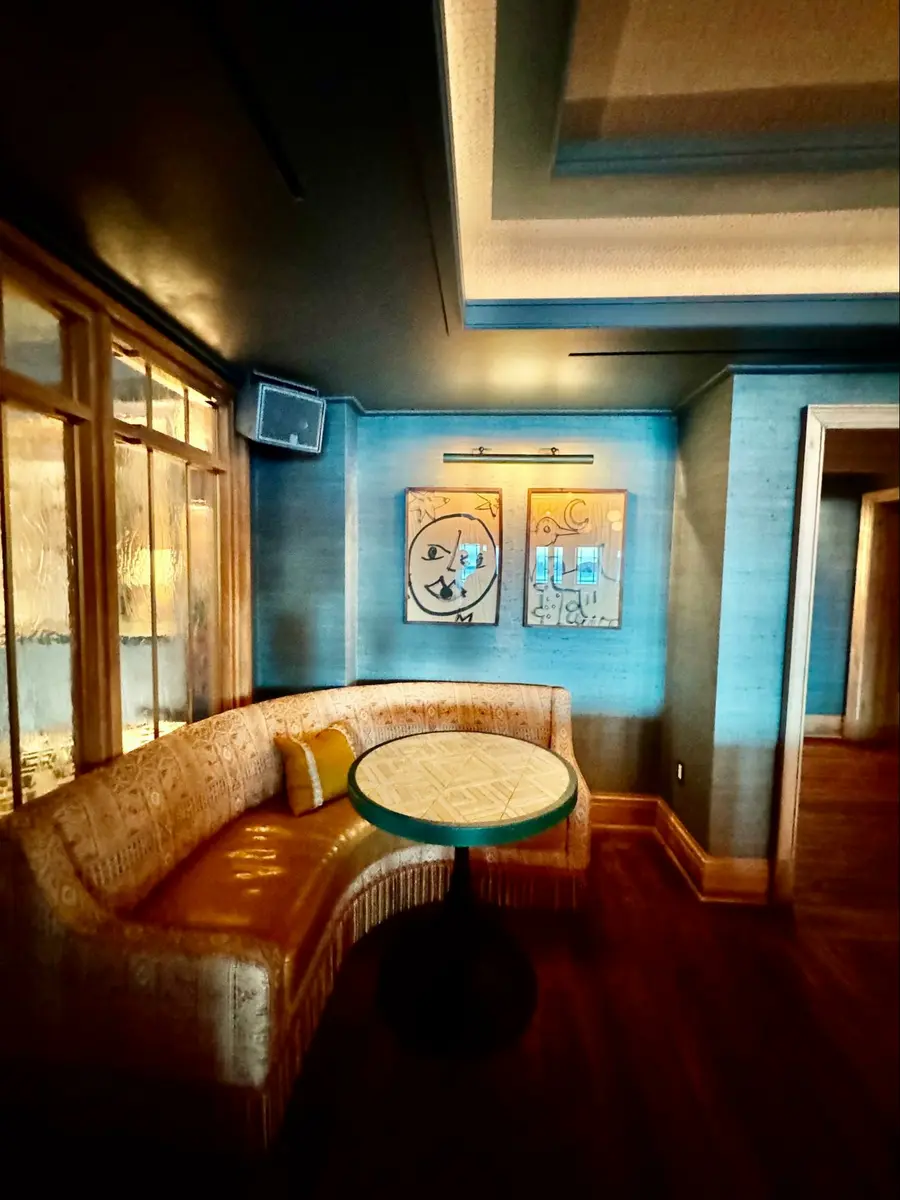
Photo credit: MetaphorEdge,
Location: Bungalow Kitchen, Tiburon, California,
Wood Highlights: Shoe moulding, baseboards, door casing, interior window trim
The Role of Shoe Moulding
If cap moulding finishes the top, baseboard shoe trim finishes the bottom. This narrow strip sits at the junction of the floor and baseboard, covering expansion gaps, sealing corners, and softening the transition between vertical and horizontal planes.
More than just practical, shoe moulding introduces subtle shadow lines that make baseboards appear taller and more substantial. It’s a small profile with a big impact: the difference between a room that looks roughly patched and one that feels complete.
Builders and designers rely on shoe moulding for:
•Flooring transitions where small imperfections and height changes need to be concealed.
•Curved or uneven walls where flexible trim accommodates a change in elevation.
•Historic renovations where layered trim profiles add richness and depth.
•At the baseboards when an installation of new flooring occurs over an existing floor to cover the small gaps
Installation Tips for Lasting Results
Great trim finishing is all about precision. Keep these trim finishing tips in mind:
- Miter corners carefully for crisp, tight joints.
- Prime and paint before installation to avoid messy lines at floor level.
- Use caulk sparingly—shoe moulding is meant to be neat, not a cover-up.
- Select profiles to suit scale—a taller baseboard benefits from a thicker shoe, while slim profiles suit modern spaces.
When chosen and installed with care, these finishing moulding installations hold their look and durability for decades.
And Just Like That
Caps and shoes may be called moulding accessories, but they’re integral to the architectural story. Like punctuation in a sentence, they make sure the statement reads with clarity. Their absence is noticeable; their presence, quietly powerful. They are straightforward yet essential.
Why These Details Matter
In both homes and commercial spaces, cap moulding and shoe moulding help define mood and quality. Imagine a wine bar with wainscoting capped in crisp trim—it feels elevated and deliberate. Or a library with strong baseboards anchored by shoe trim—the eye registers strength and permanence. It feels substantial.
These are the kinds of details clients and guests may not consciously notice, but they feel them, and so do you. And that sense of finish is what makes spaces resonate.
Further Reading
•Chair Rails and Picture Rails Bring Character Home
•Framing the Message: How Siding and Trim Elevate Exterior Signage
•Custom Wood Loft Ladders Reach New Heights
The Details That Define Design
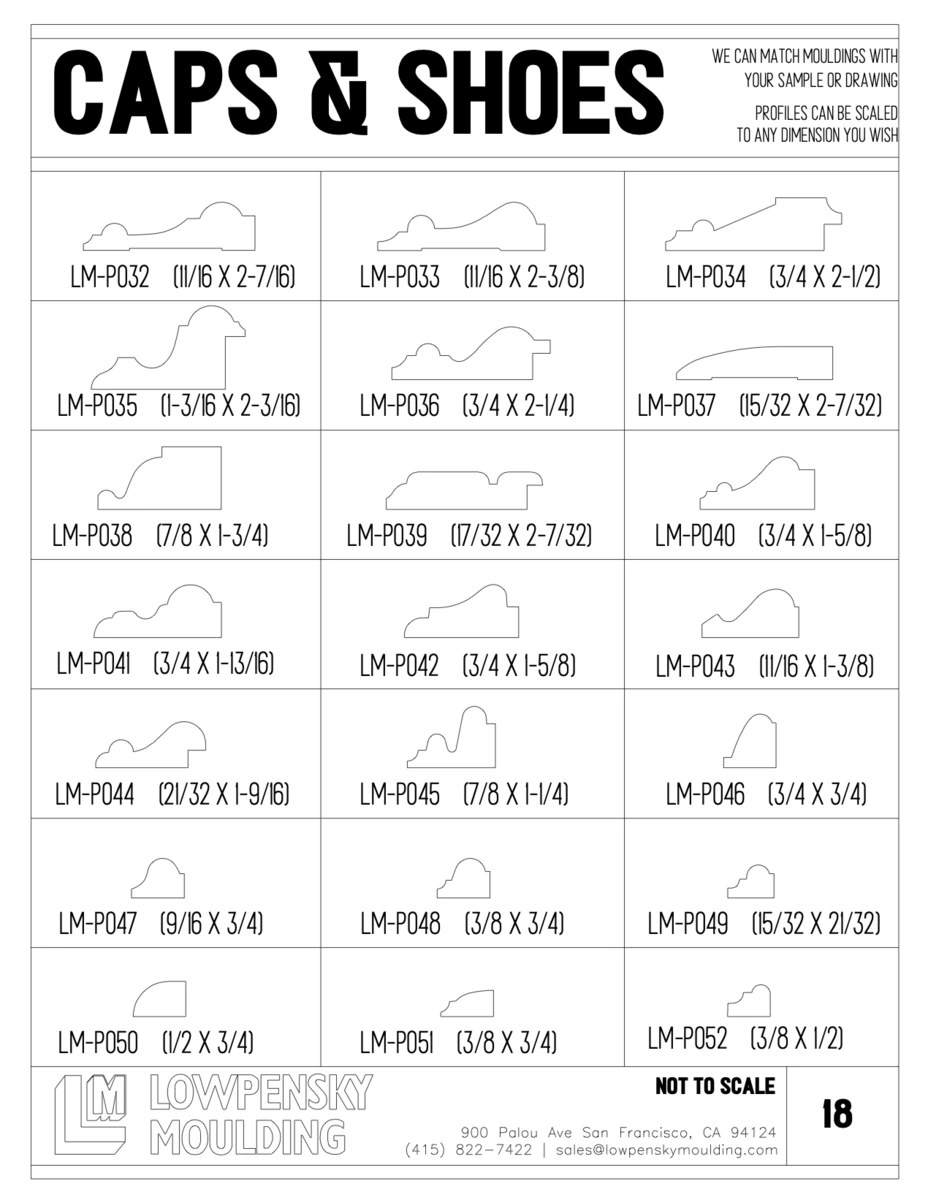
Lowpensky Moulding manufactures every trim detail you need to finish strong—from cap moulding and shoe moulding to crown, base, casing, and custom profiles. Whether your project calls for sleek modern lines or richly layered tradition, we’ve got the profiles to pull it all together with custom lengths and your unique profiles as well, all made to order.
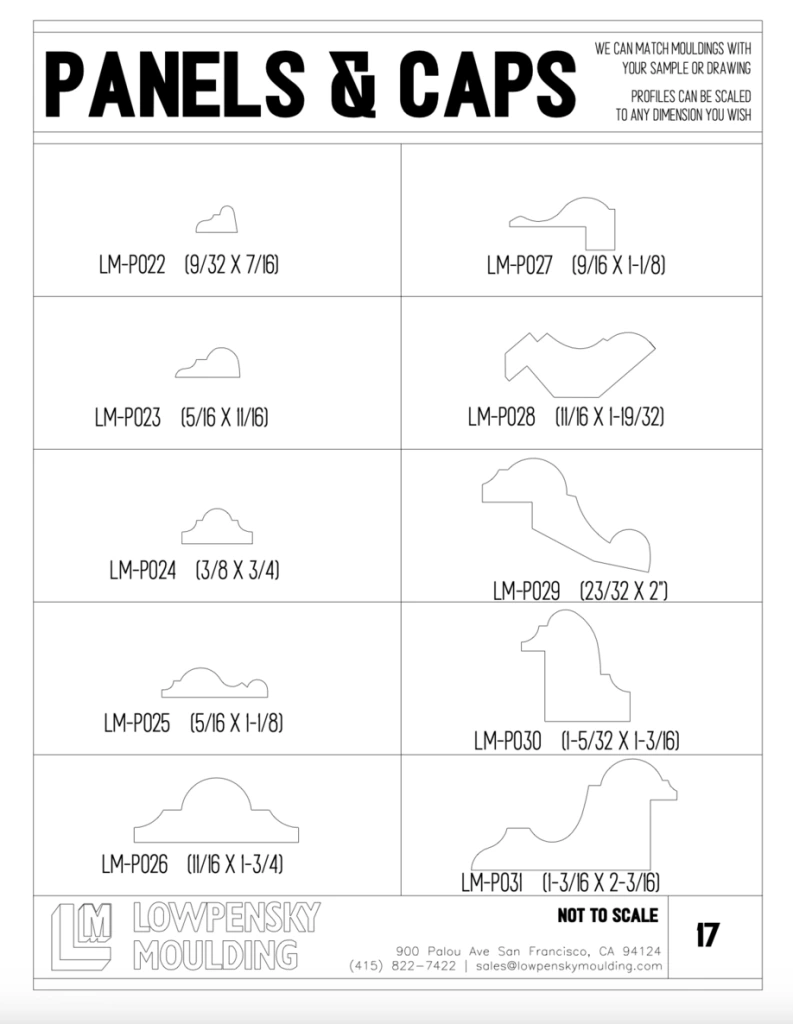
Visit our catalog (pages 17 and 18) today to explore the full collection and find the best shoes and caps to finish for your next project.
DISCLAIMER
The information in this article is provided solely for general informational purposes and does not constitute professional, technical, legal, or regulatory advice. Codes, permitting requirements, and construction standards vary by jurisdiction. Consult a licensed architect, engineer, contractor, professional designer, and your local building authorities before beginning any project. Lowpensky Moulding assumes no responsibility or liability for actions taken based on the content of this article.