


Photo credit: MetaphorEdge.com,
Location: Bouchon Bistro, Yountville, California,
Wood Highlights: Chair rail moulding with wainscoting
Chair Rails and Picture Rails Bring Character Home
In architectural interiors, a well-placed moulding can turn a plain wall into a rich, layered statement. Two of the most enduring trim details—chair rail mouldings and picture rail mouldings—started with simple, functional purposes, yet continue to bring proportion, elegance, and character to both residential and commercial spaces.
From the richly trimmed dining rooms of historic homes to bright, classic restaurants, these trim profiles help define a space’s mood and style. Designers and architects for commercial restaurants will use chair rail mouldings as well to anchor the wall design, create a sense of intimacy and scale at table height, and add craftsmanship that elevates the overall setting. The same principles translate beautifully into residential interiors.
Chair Rail Defined
A chair rail moulding is a horizontal trim piece typically placed around 30–36 inches above the floor—roughly the height of a chair back. Originally, it was a practical solution to protect walls from being scuffed or dented when chairs were pushed back from a table. The area below can either include wainscotting or just a baseboard, depending on the look and function planned.
Over time, its purpose expanded:
- Visually dividing wall surfaces to balance proportions
- Creating an opportunity for two-tone paint or a change in wall treatment
- Acting as a framework for historical interior trim details or traditional interior moulding patterns
- Adding a crafted transition between decorative wood rails and other architectural elements
Whether understated in wall moulding profiles or layered for drama, a chair rail helps a room feel deliberate and complete. Proportion is key: it should align with natural sightlines or nearby architectural elements such as window sills or built-in cabinetry, or deliberately offset by 12” or more. This professional design firm Blanc Marine Interiors created an exquisite interior with chair rails that feels both historic and contemporary, reminding us of its sophisticated versatility.
Real Homes’ guide to chair rail ideas offers examples ranging from historic elegance to pared-back modern lines. An interesting Architectural Digest write up includes a beautiful sage green dining room with a chair rail (slide 5), balancing out the room bolstered by a fireplace. Design firm Spaces by Hollie Velten crafted a special moment in a living space with a chair rail moulding painted in creamy pistachio, providing a strong base for the lighting and unique furniture selected to be anchored and then employed chair rails again in another project’s dining area to echo the colors of the Josef Frank wallcovering above it.
Chair rail mouldings align with built-in banquettes in this colorful SF Bay Area restaurant below, reinforcing a relatable scale and protecting the walls from daily use.
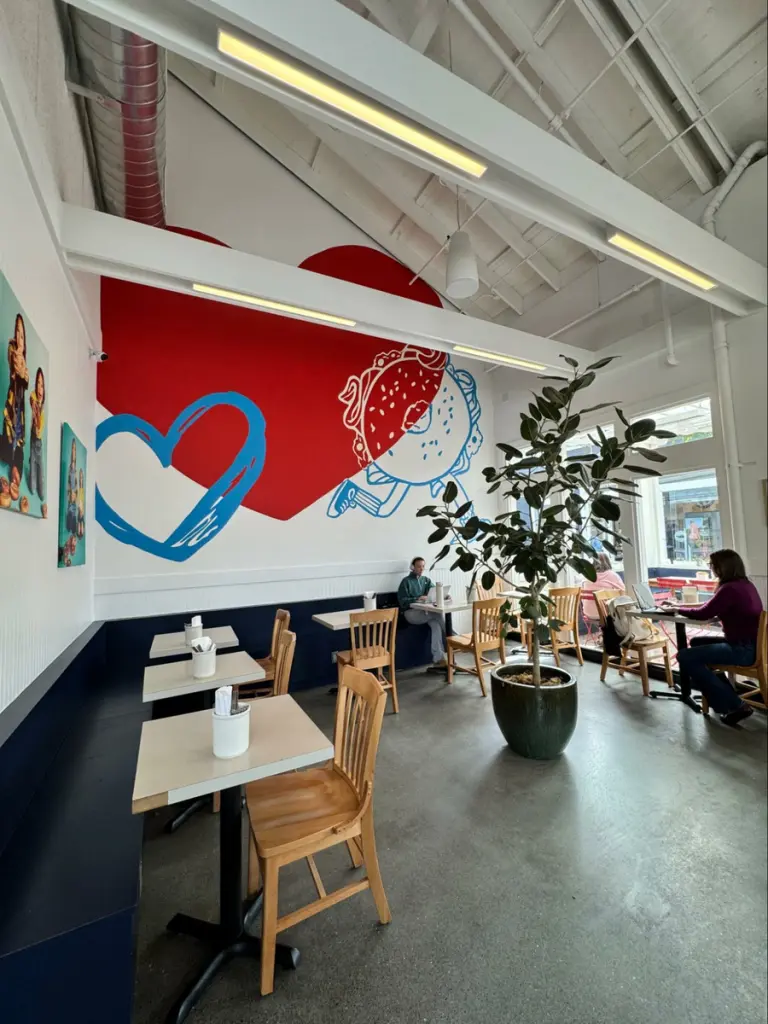
Photo credit: MetaphorEdge,
Location: Loveski Deli, Corte Madera, California,
Wood Highlights: Chair rail moulding with wainscoting above built-in seating complement the mural above
Chair Rails in Commercial Spaces
The two commercial restaurant examples above show how chair rails can do more than protect—they become an integral part of the brand’s atmosphere. In the first, the rail frames the lower portion of tall windows, tying into the tone of the wood doors and millwork. In the second, it aligns with built-in banquettes to reinforce a sense of enclosure and intimacy while offering durability.
For a traditional approach, see this richly stained chair rail detail, where the horizontal line creates visual rhythm and warmth. For a contemporary twist, this modern chair rail design uses a simple profile to define the wall while maintaining a clean, open look.
Picture Rail Clarified
While chair rails protect, picture rail mouldings also offer flexible display. You’ll find picture rail trim is mounted higher on the wall—typically 12–20 inches below the ceiling—and is often designed with a hidden gap to hold hooks and wires for hanging artwork. In the days before drywall, this spared plaster walls from damage, but it also created a graceful visual line around a room.
Picture rails have found new relevance in homes and hospitality spaces that value flexibility. They allow:
- Rotating art collections without new holes in the wall
- Seasonal or thematic decor changes for banners or dried florals
- Layered visual interest at the upper portion of a wall
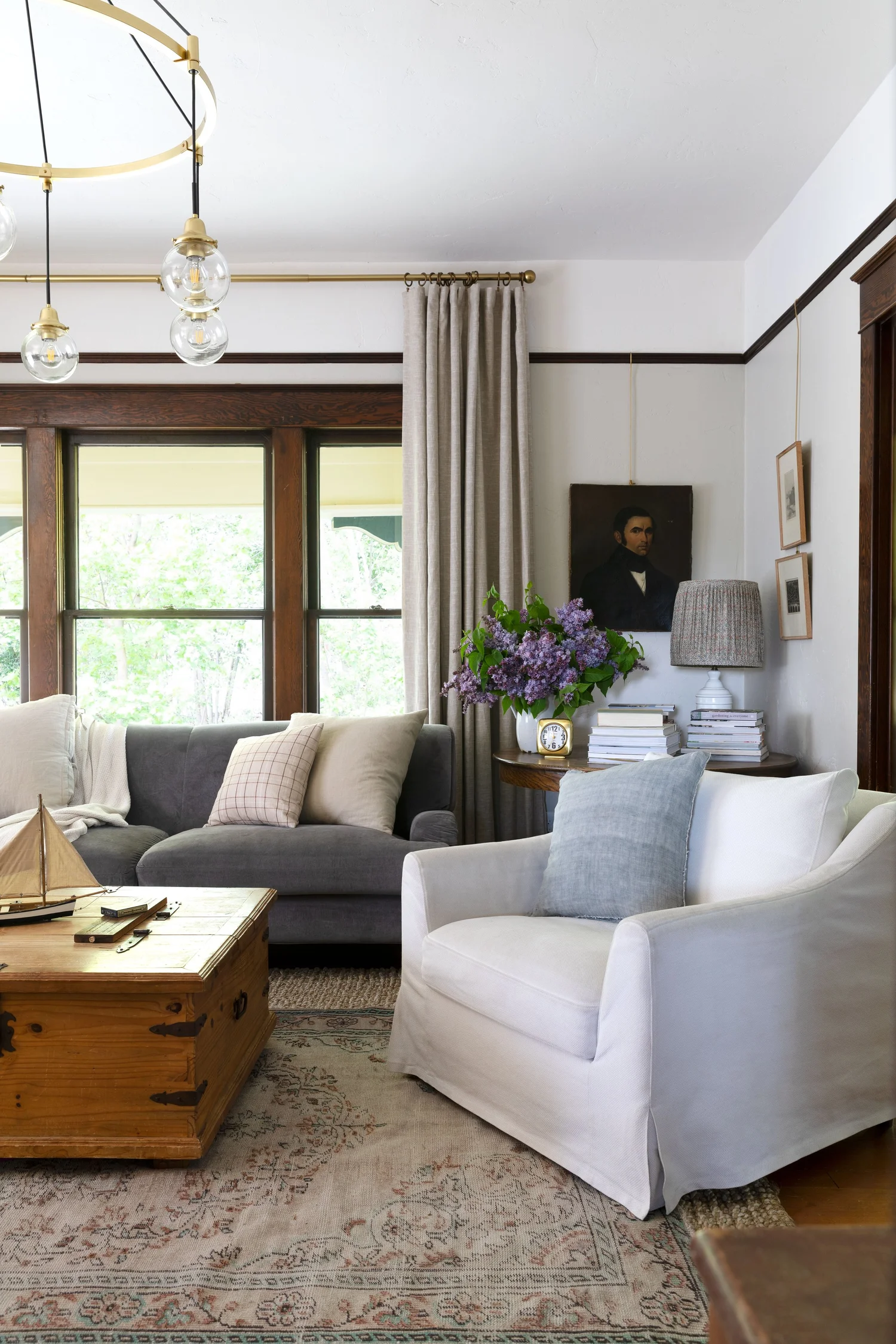
Today, they can be integrated into both traditional and modern interiors. San Francisco’s Cusp Interiors designed this room for a Decorator Showcase with a picture rail for extra punctuation on the walls with a contemporary yet playful feel, without hanging art directly from it, with great success. Grit and Polish shows a distinct picture rail with traditional art hanging directly from it in multiple rooms adding to the character of the room.
Design Benefits in Modern Homes
In contemporary residential design, chair rails and picture rails are making a comeback for both aesthetic and functional reasons:
- Zoning and Proportion – In open-plan spaces, these mouldings help create visual divisions without adding physical barriers.
- Historical Character – They bring a layer of authenticity to period home renovations, aligning with existing millwork and traditional interior moulding patterns.
- Durability and Protection – Particularly in dining rooms, hallways, and entryways, chair rails guard against everyday wear and tear.
- Custom Wall Treatments – They offer a natural point to change materials or colors—think colorful wallpaper above and painted paneling below.
- Art-Friendly Flexibility – Picture rails free walls from the patch-and-paint cycle while encouraging an evolving gallery approach.
Choosing Profiles and Materials
When selecting chair rail mouldings or picture rail mouldings, consider:
- Style of the Home – Ornate profiles suit Victorian or Colonial homes, while square-edged rails work well in modern spaces.
- Scale and Proportion – Match the rail’s width and projection to the size of the room and adjacent mouldings such as baseboards and crown.
- Material – Solid wood is durable and can be stained or painted. Primed wood is ready for a painted finish.
- Integration with Existing Trim – Aligning heights with door casings or window sills creates visual cohesion.
Lowpensky’s extensive catalog of wall moulding and decorative wood rails includes profiles suited to both period-specific restorations and streamlined modern builds.
Installation Tips
Correct installation ensures your moulding not only looks great but performs as intended:
- Mark a Consistent Height – Use a laser level or chalk line to ensure the rail stays perfectly horizontal. Think about how the height relates to other finish materials in the room.
- Prep the surface – Walls should be smooth and primed before installation for best adhesion and finish.
- Join cleanly – Miter corners precisely and fill nail holes before painting or staining.
- Seal for longevity – In high-traffic areas, a protective topcoat can help prevent scuffs and wear.
Further Reading
What is an ADU and What Makes Them So Popular
Pergola and Trellis Designs: Framed in Sunlight
The Dark Side of Trim: Black Painted Profiles Feel Fresh
Bringing It Home
Whether you’re restoring a historic home, refreshing a dining room, or designing a new commercial build with custom detailing, chair rails and picture rails can elevate your space. They offer both practical advantages and aesthetic rewards, bridging the gap between form and function.
Explore Lowpensky’s collection of chair rail mouldings, picture rail mouldings, wall moulding, and decorative wood rails to find profiles that align with your project’s style and scale. A well-chosen rail doesn’t just complete a room—it’s part of the story of the space and has a deeply rooted connection to history.
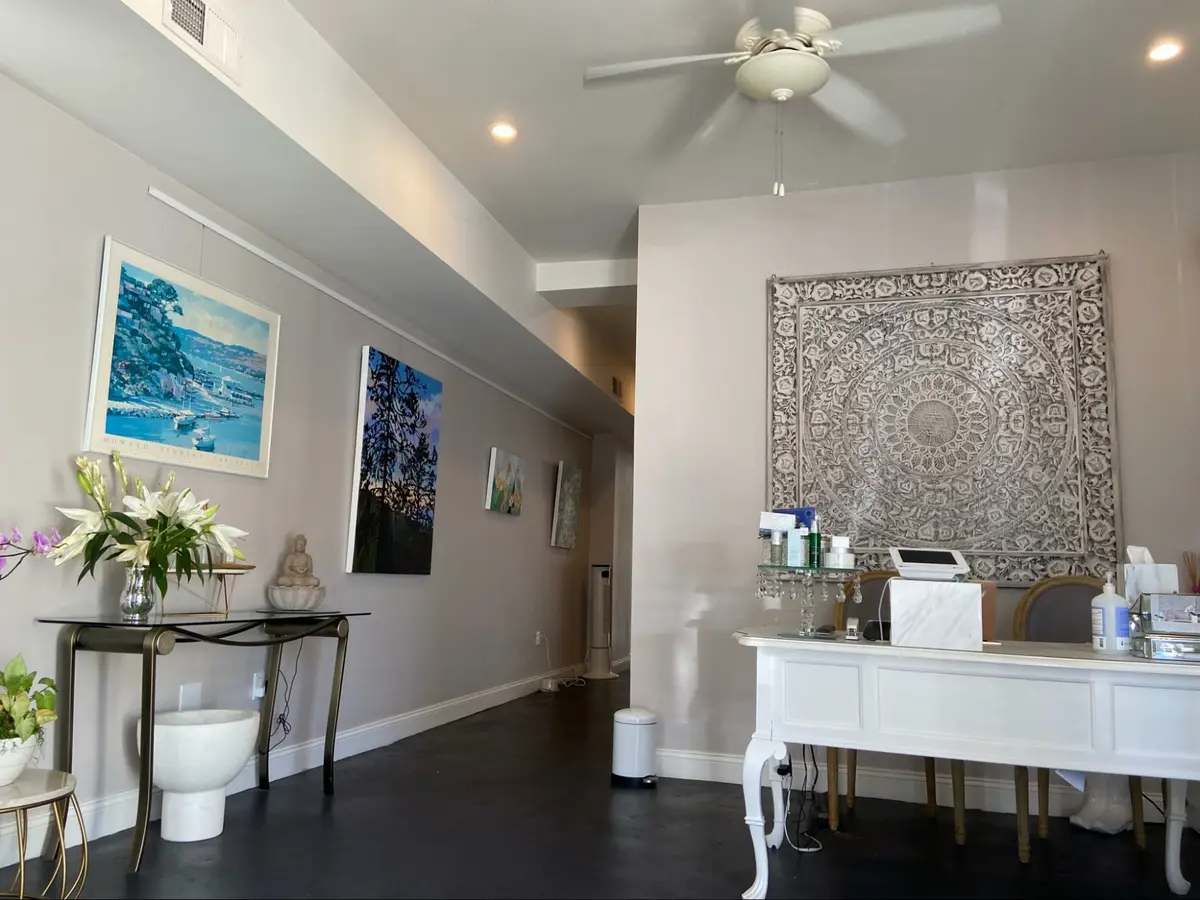
Photo credit: MetaphorEdge,
Location: Ency Esthetics, Sausalito, California,
Wood Highlights: Narrow picture rail moulding above the baseboards offers a display device for a rotating art gallery in this local Bay Area spa
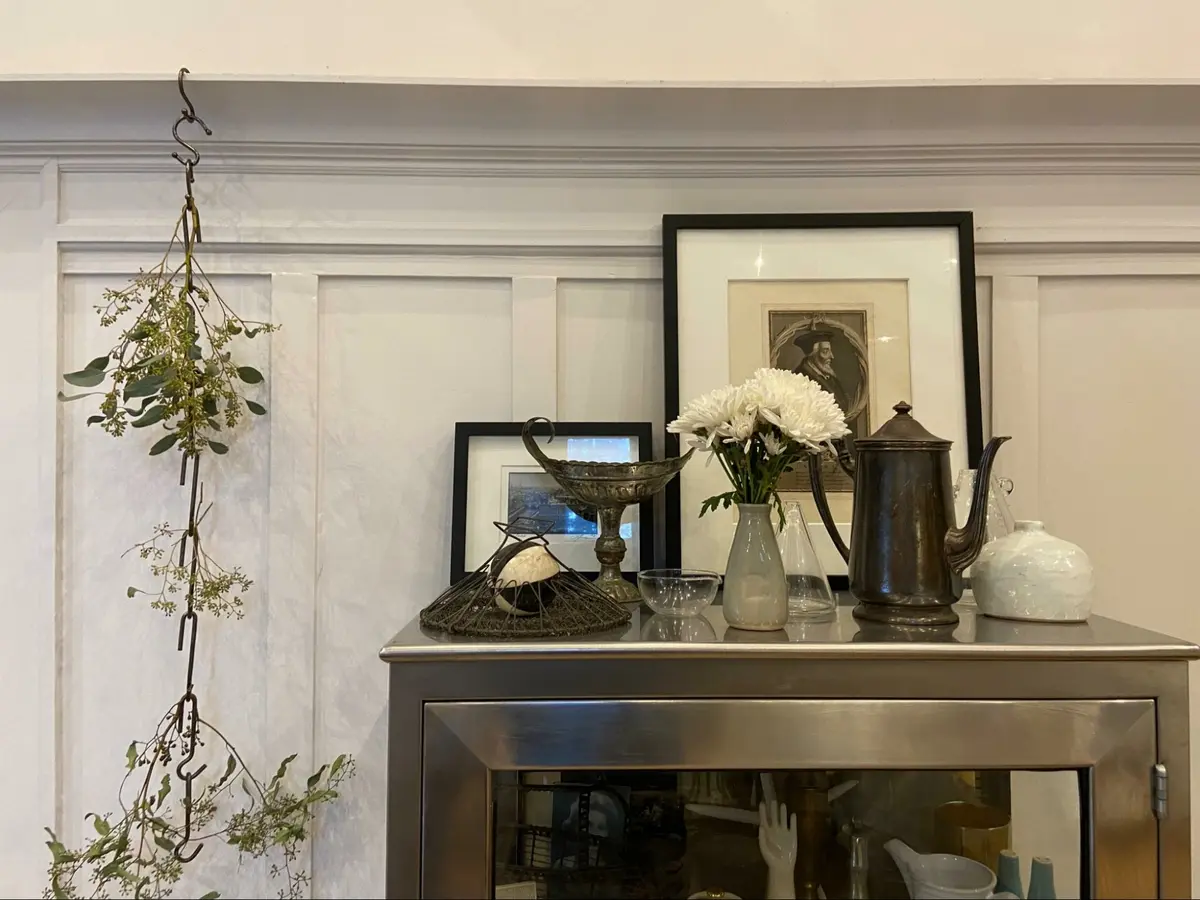
Photo credit: MetaphorDesign,
Location: Private Residence, Marin County, California,
Wood Highlights: Picture rail moulding creates easy flexibility for hanging dried florals or art
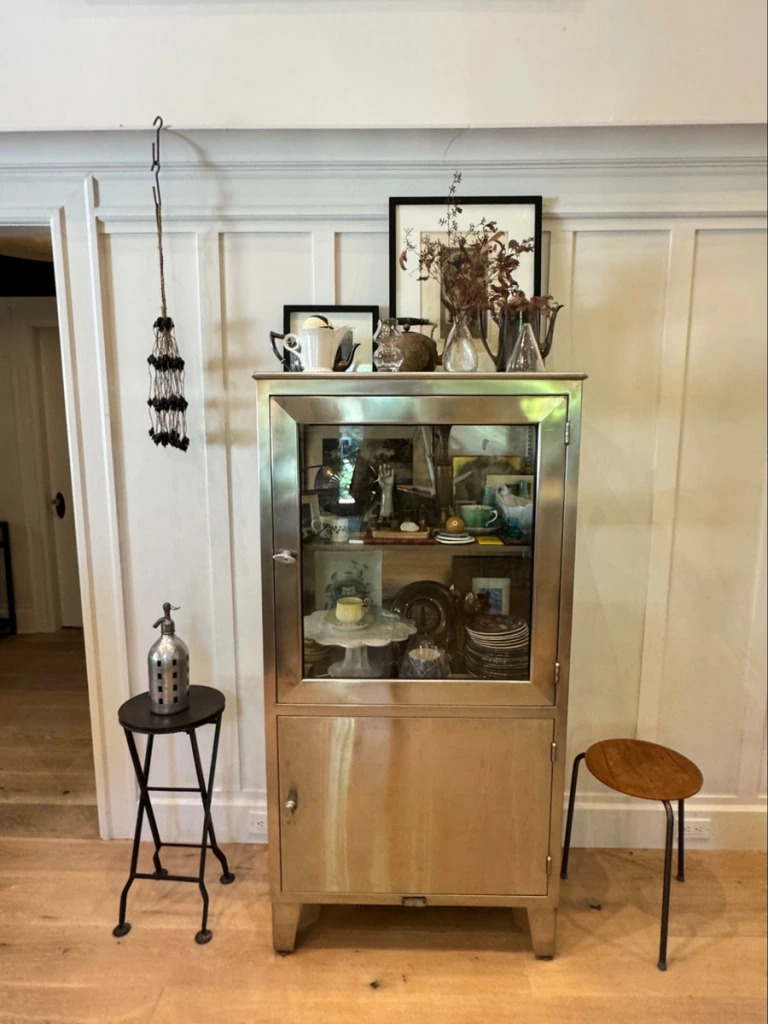
Photo credit: MetaphorDesign,
Location: Private Residence, Marin County, California,
Wood Highlights: Historic picture rail moulding with sculptural art on rotating display
DISCLAIMER
The information in this article is provided solely for general informational purposes and does not constitute professional, technical, legal, or regulatory advice. Codes, permitting requirements, and construction standards vary by jurisdiction. Consult a licensed architect, engineer, contractor, professional designer, and your local building authorities before beginning any project. Lowpensky Moulding assumes no responsibility or liability for actions taken based on the content of this article.