


Photo credit: MetaphorEdge,
Location: 2025 SF Decorator Showcase, Pacific Heights, San Francisco, California
Wood Highlights: crown moulding, paneling, baseboard, fireplace mantel, curved staircase, door casings, flooring
SF Decorator Showcase: The Art of Trim with High Style
A Living Room That Speaks in Profiles and Provenance
At the 2025 San Francisco Decorator Showcase, Geoffrey De Sousa’s living room—“The Manor Moderne”— is a masterclass in restraint, refinement, and reverence. The walls are wrapped in a grid of classical trim moulding that not only structures the space but anchors its presence in history. Warm wood paneling defines rhythm and elegance, invoking architectural traditions without becoming ornate.
This is classical moulding reimagined for modern interiors—where geometry replaces ornament, and structure becomes style.
Slow Living in Sculpted Space
Geoffrey de Sousa Interior Design is the team that created this room as a place to slow down—to appreciate beauty not only in form but in meaning. It’s a space that invites stillness and deep looking. Impactful artwork by Richard Serra, Richard Diebenkorn, David Bates, and Sir Isaac Julien creates an immersive gallery-like ambiance, elevated further by the architectural moulding that frames each moment.
The walls’ wooden grid is not only a background element—it’s an organizing force. It echoes historic museum environments while softening the tone with natural materials, subtly reinforcing the connection between interior architecture and curated experience.
Understanding the Architectural Language of Trim
In “The Manor Moderne,” De Sousa’s use of architectural moulding goes far beyond baseboards or crown—it’s a sophisticated orchestration of classic millwork. The walls are wrapped in panel moulding, a type of trim used to create framed sections along flat wall surfaces, adding rhythm and formality. The moulding is set in a grid layout, evoking the structure of traditional wall paneling often found in historic homes. This type of treatment is sometimes referred to as picture frame moulding, which creates evenly spaced, recessed boxes that add shadow, depth, and architectural interest without the heaviness of wainscoting or full-height paneling.
To complete the envelope, the room features large-scale stacked crown moulding—a layered assembly of multiple trim pieces that meet the ceiling, adding height and visual richness without being overly ornate. Below, a high baseboard runs the perimeter, grounding the room and providing balance to the verticality of the grid panels. These two elements work together to frame the paneling, enhancing its symmetry and giving the entire room a cohesive architectural presence. The trim’s clean, squared edges suggest a classical profile—a simple, historically inspired moulding shape that avoids curvature but still conveys craftsmanship and proportion.
Why Classical Trim Moulding Matters Here
Architects and designers working on new builds or high-end renovations will appreciate how classical trim moulding has been used not just to recall the past, but to organize the present. The wall panelling lends proportion, scale, and an unmistakable sense of permanence. It’s not just decorative—it’s spatial logic.
This room shows how architectural moulding profiles can:
- Create narrative structure in an otherwise open plan
- Elevate materiality through depth and rhythm
- Bridge classical and modern sensibilities
Designers and homeowners can look to this project for evidence on how custom classical trim can transform even new builds into timeless, character-rich spaces. How does this space make you feel? In what ways does it motivate you? To read a book, plan a celebration, rest after a long day, socialize with your family, these are just some of the options to consider.
Details That Complete the Picture
- Fireplace fabrication: @stonestyleinc
- Fireplace marble: @davincimarble
- Antique carpets: @tonykitzgallery
- Barware: @foundbymaja
- Lighting and furnishings: @desousahughes, @cmarianiantiques, @aguirredesign
- Furniture: FOLD Sofa and CALDERA Cocktail Table by @johnpompstudios
- Photographer: @thesunlightchase
- Interior Designer: @geoffreydesousa
Final Takeaway
In “The Manor Moderne”, moulding becomes more than trim—it becomes a vessel for memory, heritage, and high style. A good designer or builder is essential to completing a room of this grandeur. Learn more about the event and its mission at the San Francisco Decorator Showcase. Through its use of classical elements, reinterpreted with confidence and care, De Sousa’s room reminds us that the best design isn’t about decoration—it’s about lifting up those who dwell within.
For those inspired to explore classical trim profiles or bring this level of detailing into a custom project, Lowpensky Moulding offers a range of historic and contemporary moulding solutions manufactured right here in San Francisco. Whether you are a designer, builder, or homeowner, we want to work with you. Visit our catalog and learn more about our custom moulding services.
Further Reading on Lowpensky Resources:
- SF Decorator Showcase: Grapevine Tales Speak In Trim
- SF Decorator Showcase: Garden Grace with S4S Boards
- SF Decorator Showcase: Vacation Vibes in Listening Rooms
- SF Decorator Showcase: Study Materials Offer Concentration

Photo credit: MetaphorEdge,
Location: 2025 SF Decorator Showcase, San Francisco, California
Wood Highlights: unique double crown moulding, paneling, baseboard, fireplace surround, staircase
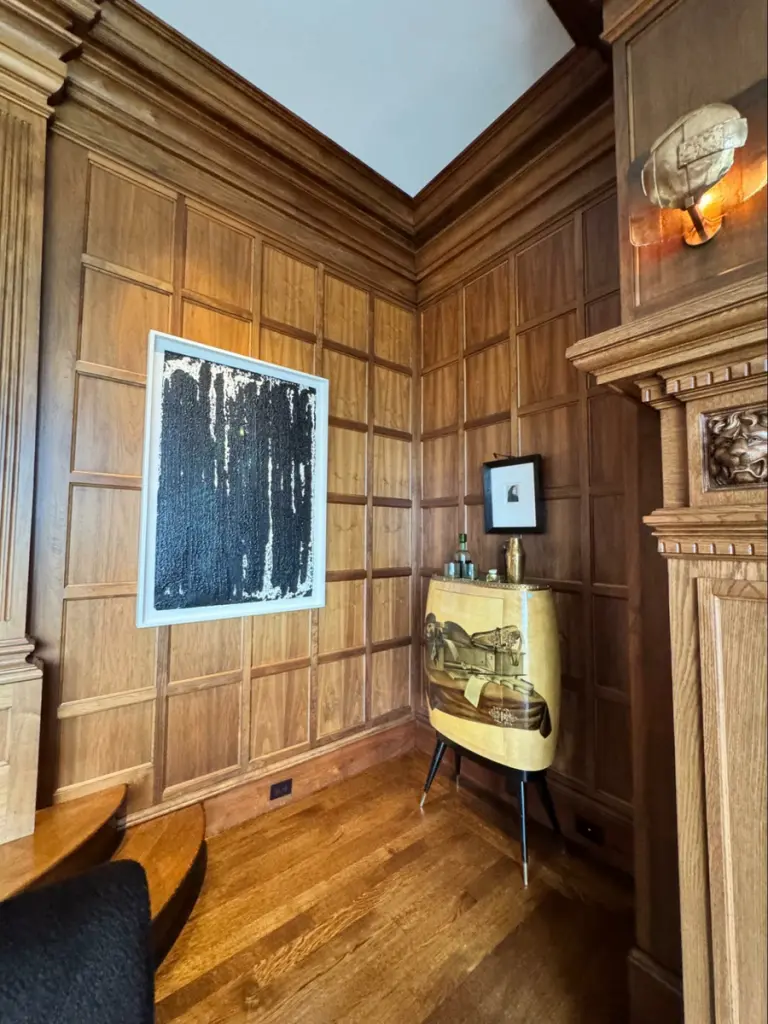
Photo credit: MetaphorEdge,
Location: 2025 SF Decorator Showcase, San Francisco, California
Wood Highlights: high large scale crown moulding, grid paneling, baseboard, fireplace surround, staircase, door casing
DISCLAIMER
The information in this article is provided solely for general informational purposes and does not constitute professional, technical, legal, or regulatory advice. Codes, permitting requirements, and construction standards vary by jurisdiction. Consult a licensed architect, engineer, contractor, professional designer, and your local building authorities before beginning any project. Lowpensky Moulding assumes no responsibility or liability for actions taken based on the content of this article.