


Photo credit: MetaphorDesign.com, Location: Cafe Boulud, Nassau, Bahamas,
Wood Highlights: architectural trim moulding on walls and ceilings set the tone for the entire space
Sweet Trim Mouldings in Restaurant Design Takes the Cake
A restaurant is more than a place to eat—it’s a place to connect, celebrate, and remember. In American culture especially, dining out is a ritual of social gathering, storytelling, and identity. That’s why the atmosphere of a restaurant matters almost as much as its menu. In design terms, trim mouldings—from crown to chair rail—are the details that give a space flavor. And when it comes to making a restaurant unforgettable? Sweet trim moulding takes the cake.
Whether it’s a farmhouse-inspired café or a fine-dining jewel box, moulding details like ogee moulding, cove moulding, and custom trim moulding create rhythm, character, and cohesion. Just like plating a perfect dish, the presentation of the space matters—and the trim is your secret ingredient.
Why Restaurant Design Is a Recipe for Success
Restaurants are central to community life. They reflect regional flavor, evolving tastes, and the chef’s creative vision. Increasingly, diners seek more than a meal—they seek meaning. And interior design plays a vital role in telling that story.
In hospitality architecture, small moulding profiles help delineate dining zones, create intimacy, and carry consistent branding across the space. From framing windows to wrapping bars and backdrops, mouldings communicate refinement, warmth, or whimsy—whatever best supports the culinary concept and the overall vision. A rustic trim might echo a chef’s farm-to-table ethos, while sleek profiles could complement global fusion menus.
Ultimately, the design of a restaurant can also support the philosophy of the kitchen if desired. If the food is handcrafted, seasonal, and thoughtful, the environment can be too—reflecting those same values through material choices, layout, and trim details.
In urban centers especially, restaurants often serve as second living rooms—a place where people gather, unwind, and feel at home beyond home. The rise of photographing dining moments for journaling on social media reveals how architecture and ambiance have become part of the cultural experience, not just the backdrop. Friends, families, and colleagues celebrate birthdays, milestones, and connections in these spaces—often choosing a restaurant as much for the excitement of the setting as for the delicious food itself.
Custom Trim Moulding Profiles That Pack a Punch
The right wood moulding can transform a simple wall or ceiling into a standout design feature:
-
Ogee moulding introduces classic luxury, making it perfect for refined dining rooms.
-
Cove moulding adds softness and can integrate with indirect lighting to create a welcoming glow.
-
Custom trim moulding tailored to the brand (such as motifs or patterns) reinforces identity across signage, walls, and menus.
-
Small moulding pieces—bead, stop, or dentil—offer subtle but essential finishing touches in furniture-grade millwork or cabinetry.
Designers often use these elements to create a layered experience, where the interior evolves as guests move through the space.
Bay Area Inspiration: Trim That Sets the Scene
Several beloved Bay Area restaurants showcase how wood moulding adds soul, sophistication, and story to a dining space. Wayfare Tavern in San Francisco brings Victorian elegance to life with its white oak trimmed and paneled walls, coffered ceilings, and deep crown moulding—inviting guests to linger over modern comfort food at its new location. Across the Bay in Sausalito, Sushi Ran blends Japanese craftsmanship with subtle wood trim and natural finishes, creating a serene, high-end vibe that mirrors its Pacific Rim cuisine. Benihana in San Mateo integrates wood wall panels and built-in seating trim that frame the teppanyaki grill experience, balancing entertainment with traditional design. In San Francisco’s Pacific Heights, Florio on Fillmore Street evokes European charm with its dark lighting, traditional yet sophisticated colors with painted wood, marble checkerboard floors, and classic chairs, creating an inviting ambiance that complements its Italian Mediterranean cuisine. And Foreign Cinema in the Mission District uses warm wood tones and mid-century moulding accents in its covered courtyard to blend cinematic charm with industrial grit.
Additional Noteworthy Establishments
-
Redwood Room at The Clift Royal Sonesta Hotel – Designed by Philippe Starck, this historic space features original redwood paneling carved from a single redwood tree, combining Art Deco elegance with luxurious lounge ambiance.
-
Left Bank Brasserie (Larkspur & Jack London Square) – These French-inspired brasseries, designed by Arcsine, showcase vibrant interiors and beautiful wood accents that evoke Old World charm with a Bay Area twist.
-
Osito – Located in San Francisco’s Mission District, Osito embraces an all-wood-fired culinary concept and features reclaimed wood throughout, reflecting both warmth and sustainability.
-
John’s Grill – A San Francisco institution since 1908, John’s Grill retains its historical dark wood paneling and clubby atmosphere, offering a classic steakhouse experience that never goes out of style.
-
Seaglass Restaurant at the Exploratorium – Interiors designed by architect Olle Lundberg in collaboration with local architecture firm EHDD, Seaglass features built-in wood banquette seating and rows of wood tables that complement its glass and granite elements where the visitor rests and lingers the most. The design reflects the surrounding bay environment, creating a serene dining experience that aligns with the Exploratorium’s ethos of blending science, art, and human perception.
- Lake Chalet Seafood Bar & Grill – Located on Lake Merritt in Oakland, this expansive restaurant by Cass Calder Smith Architecture transforms the historic 1909 Municipal Boathouse into a vibrant waterfront dining destination. With a marble bar, wood-paneled and wood trimmed interiors, and a dockside patio, the design honors the site’s nautical history while offering sweeping views and a refined atmosphere.
Why Trim Moulding Is Essential in Restaurants
Beyond aesthetics, trim moulding in restaurants plays a functional and psychological role. Chair rails protect walls, crown moulding completes visual transitions, and baseboards ground the space. Moulding helps to frame key features like the bar, chef’s counter, or fireplace mantel, while also offering subtle cues for wayfinding—especially useful in multi-room or open-plan layouts.
By establishing visual rhythm, trim helps the guest read the room more intuitively. The result? A space that feels well-composed and welcoming without overwhelming the senses.
From Forest to Trim: The Sustainable Ingredient
Today’s chefs are champions of sustainability, local sourcing, and mindful operations. Farm-to-table is seen by many as a guiding principle—and it’s only fitting that designers are also considering sustainable choices. When designers and architects request FSC-certified wood trim, responsibly sourced from managed forests, it reflects this same commitment to environmental stewardship.
Specifying FSC-certified custom trim moulding supports healthier buildings, better indoor air quality, and ethical sourcing—values that diners increasingly care about. Just as a chef chooses seasonal ingredients with intention, an architect or designer can select materials that align with a restaurant’s core philosophy.
At Lowpensky, we offer a range of commercially available FSC-certified hardwoods ideal for hospitality settings that value story, sustainability, and style.
Design Trends That Sweeten the Deal
New trends in restaurant trim design include:
-
Color-drenched moulding in bold hues like aubergine, mustard, or forest green for maximum impact.
-
Layered wall paneling using small mouldings to frame feature art or mirrors.
-
Integrated lighting within cove or crown moulding to enhance mood and energy efficiency.
-
Graphic installations framed with custom trim to add texture and photo-ready visual interest, for the guests seeking an interactive moment.
These ideas go beyond finishing touches—they become part of the guest experience and brand narrative.
Further Reading on Spectacular Restaurant Designs with Chic Wood
-
7 Stunning Restaurant Interiors in the San Francisco Bay Area
-
The Renovation of Delfina Takes the Restaurant Back to its Roots
-
Meet the Interior Designer Who’s Shaping the New SF Restaurant Scene
- Seven restaurants across three continents embrace organic forms and global palettes, serving up a menu of aesthetic umami
Related Posts for More Flavor
Feed your design curiosity with more Lowpensky Resources articles:
Leave a Lasting Taste
In the restaurant world, details matter—from the sauce reduction to the wall’s edge detail. Thoughtfully sourced ogee moulding, cove moulding, and custom trim moulding create an environment that reflects the same care and creativity as the food itself.
Make your next restaurant project one guests crave to return to and want to celebrate. Lowpensky Moulding is proud to partner with design teams that care about finish, form, and footprint. Contact us to explore FSC-certified, made-to-order wood trim options that tastefully align with your space’s flavor and values. Peruse our catalog for a variety of design options or send us your custom designs.
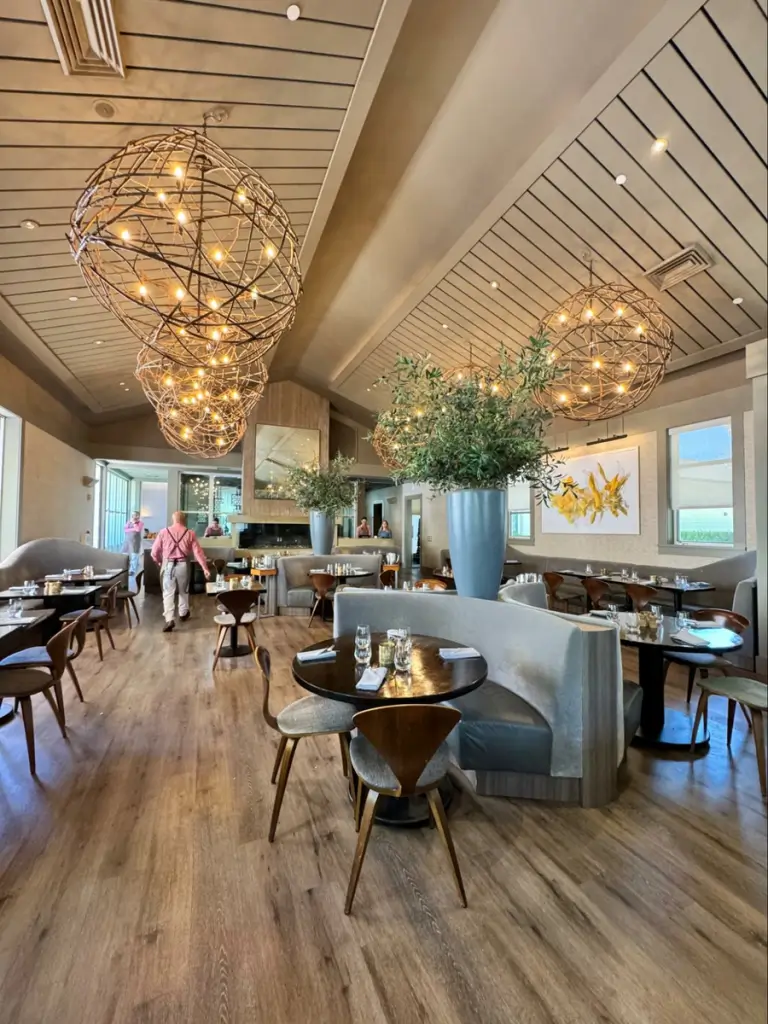
Photo credit: MetaphorDesign.com, Location: Solbar, Calistoga, California,
Wood Highlights: architectural and interior design moulding in main dining room throughout including above fireplace
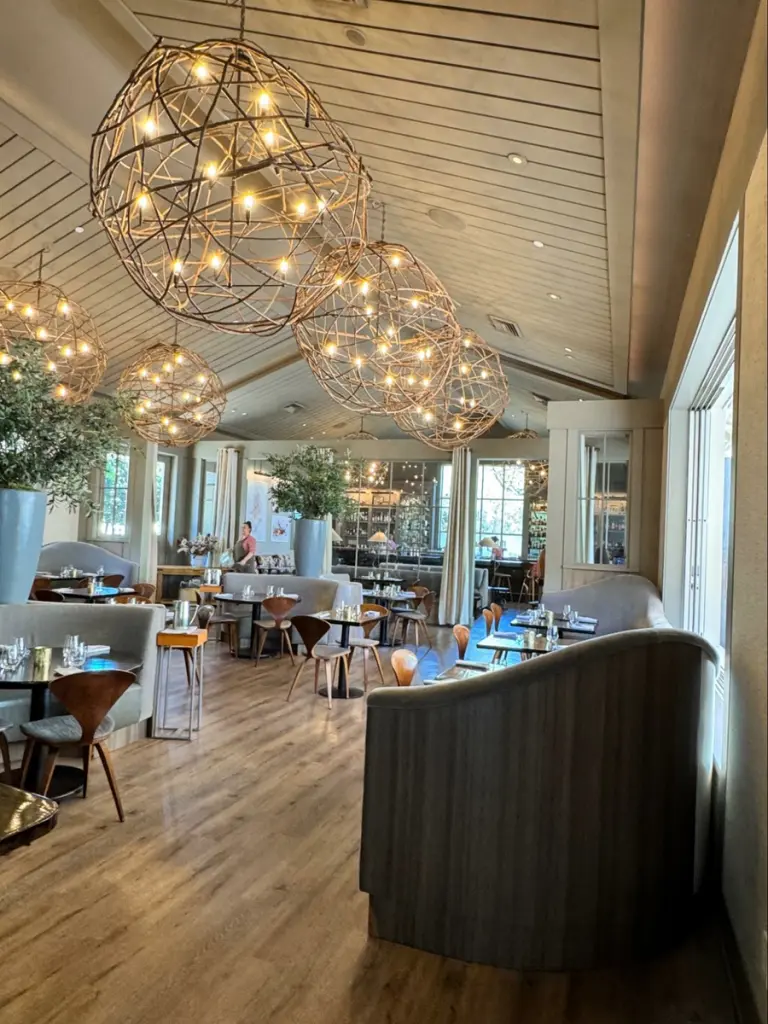
Photo credit: MetaphorDesign.com, Location: Solbar, Calistoga, California,
Wood Highlights: architectural and interior design moulding throughout main dining room and adjacent bar area
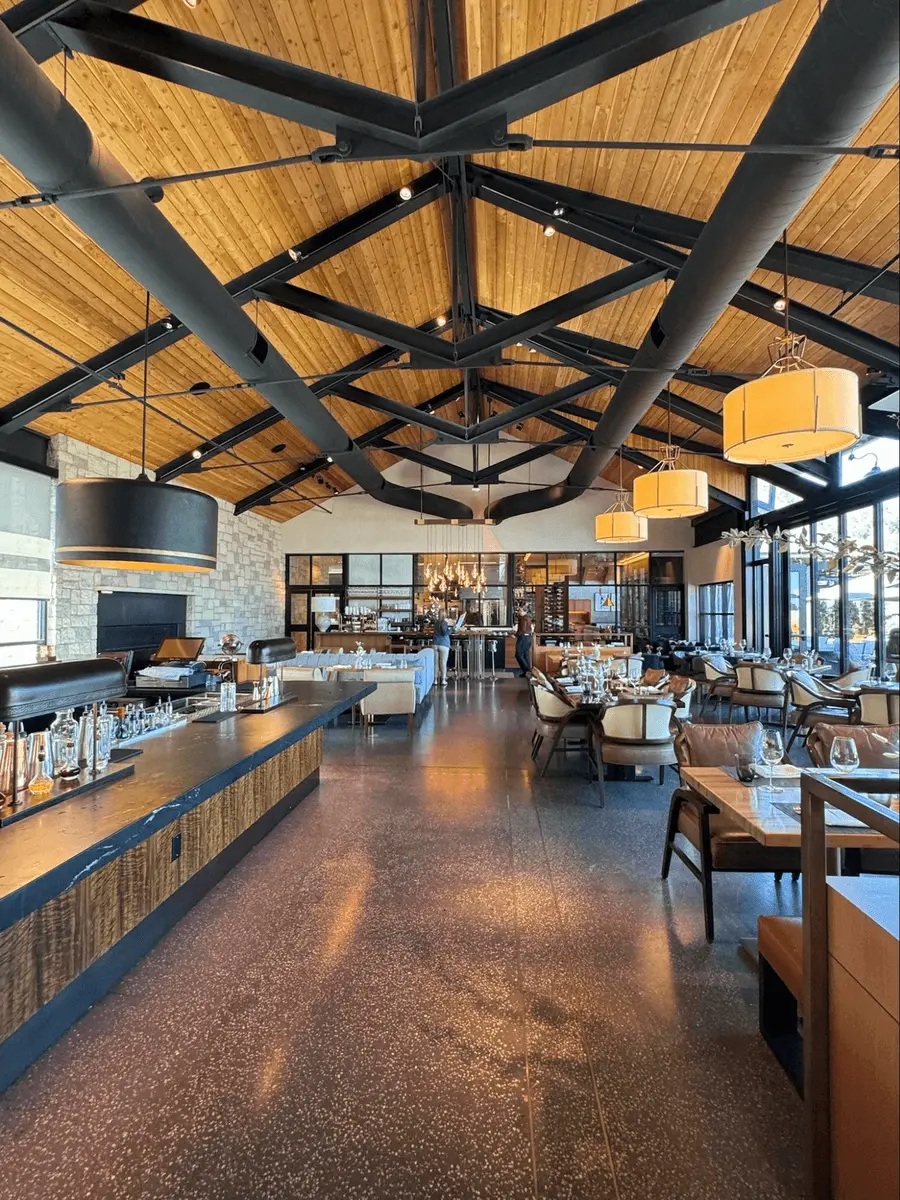
Photo credit: MetaphorDesign.com, Location: Truss, Calistoga, California,
Wood Highlights: architectural and interior design moulding in main dining room throughout
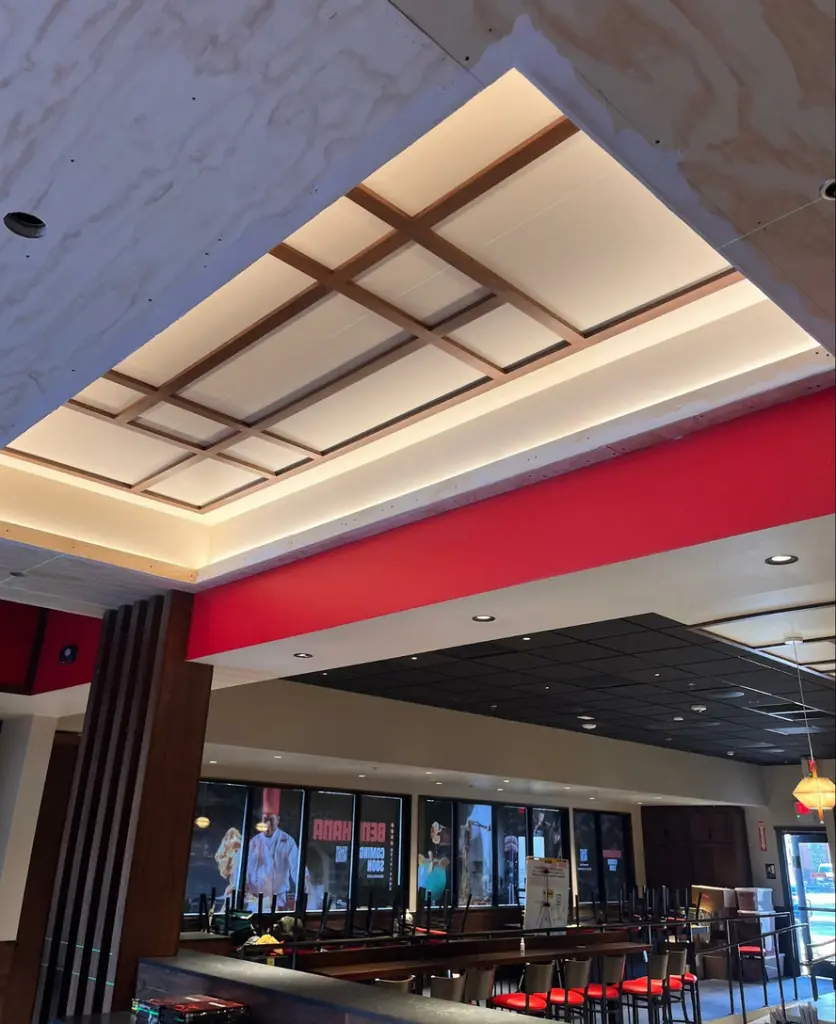
Photo credit: Lowpensky customer, Location: Benihana, San Mateo, California,
Wood Highlights: Ceiling features wood elements
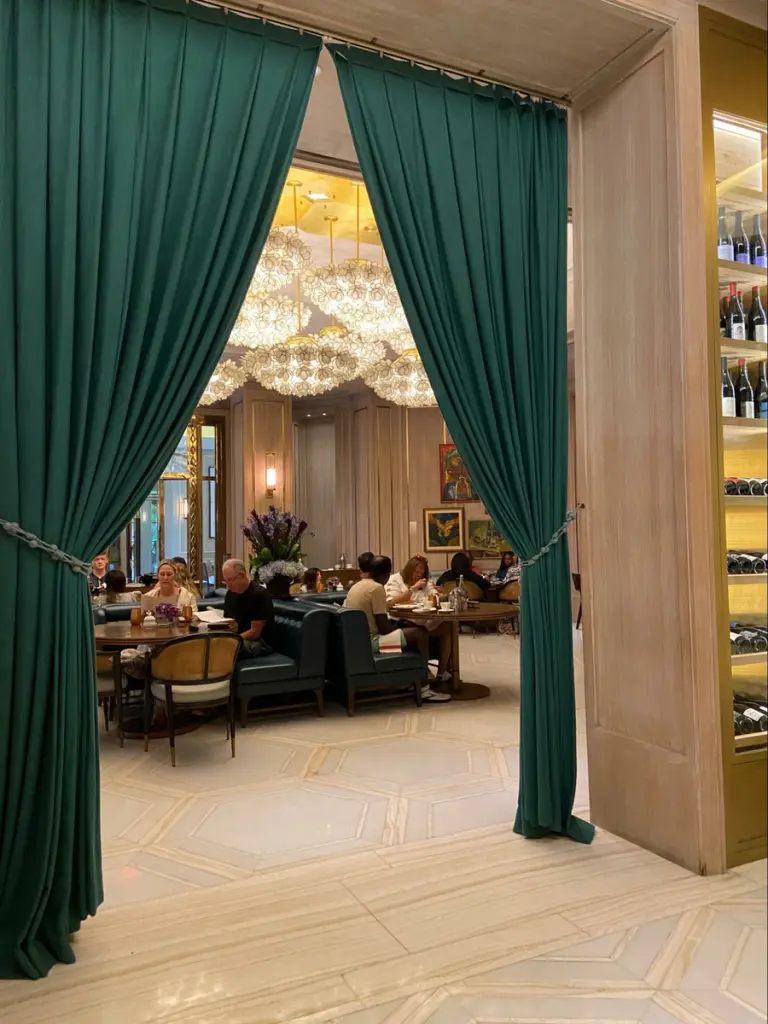
Photo credit: MetaphorDesign.com, Location: Cafe Boulud, Nassau, Bahamas,
Wood Highlights: architectural trim moulding mark the entry
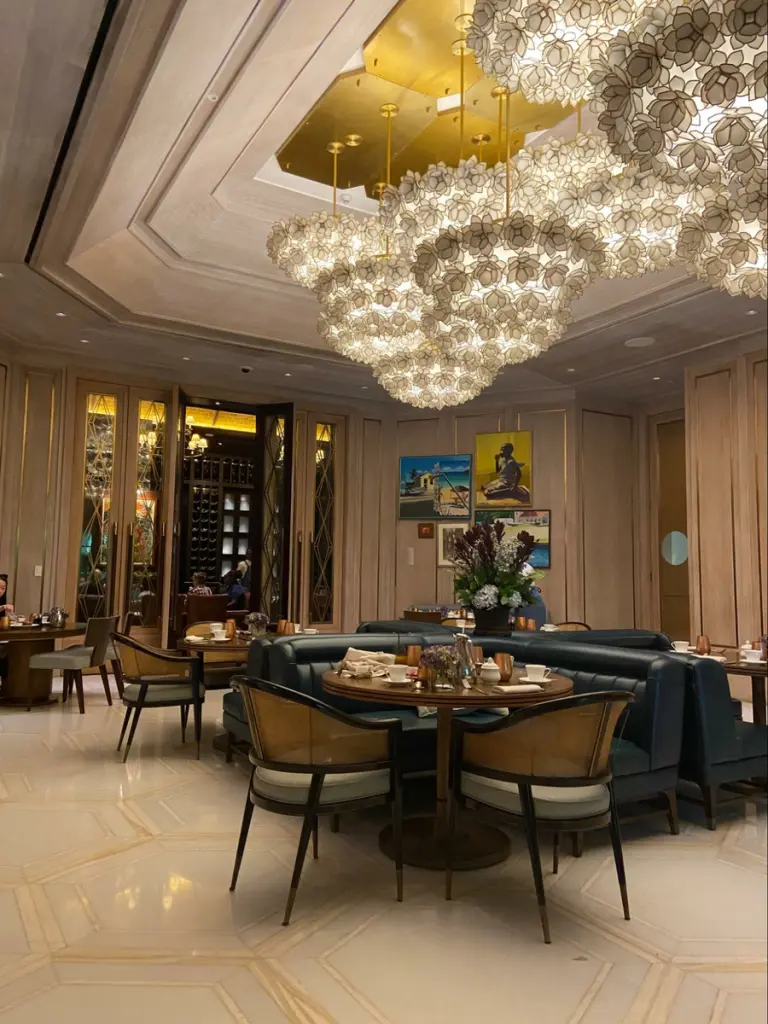
Photo credit: MetaphorDesign.com, Location: Cafe Boulud, Nassau, Bahamas,
Wood Highlights: architectural trim moulding on walls and ceilings create impact
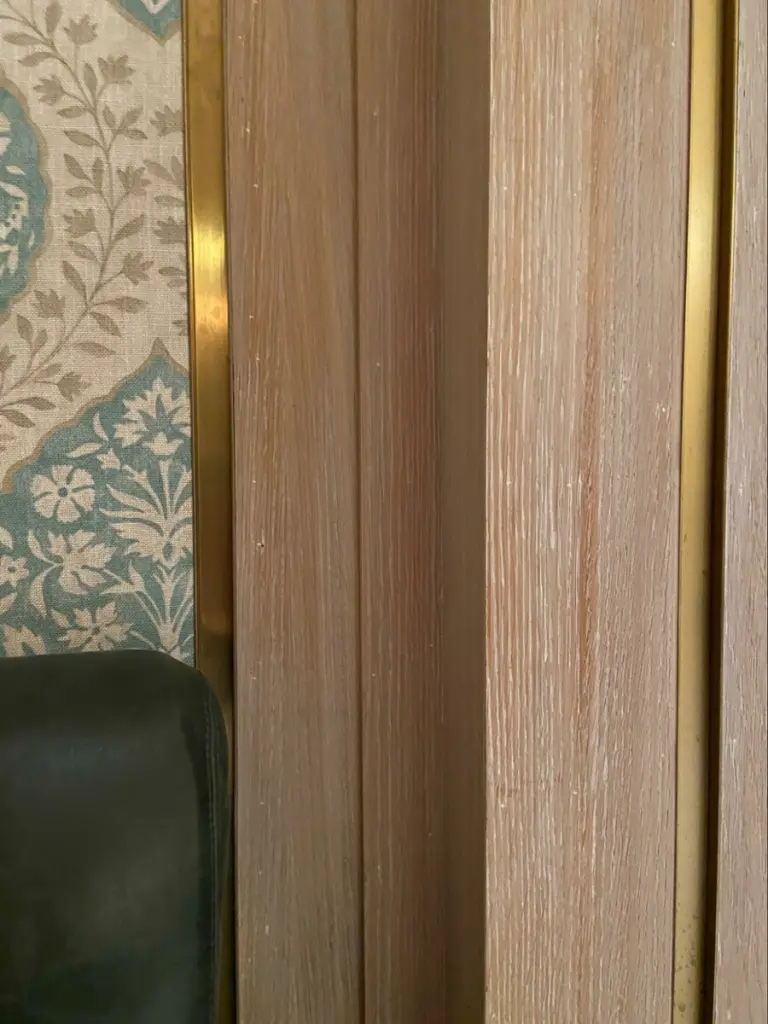
Photo credit: MetaphorDesign.com, Location: Cafe Boulud, Nassau, Bahamas,
Wood Highlights: Detail of architectural trim moulding paired with metal, wallcovering and leather
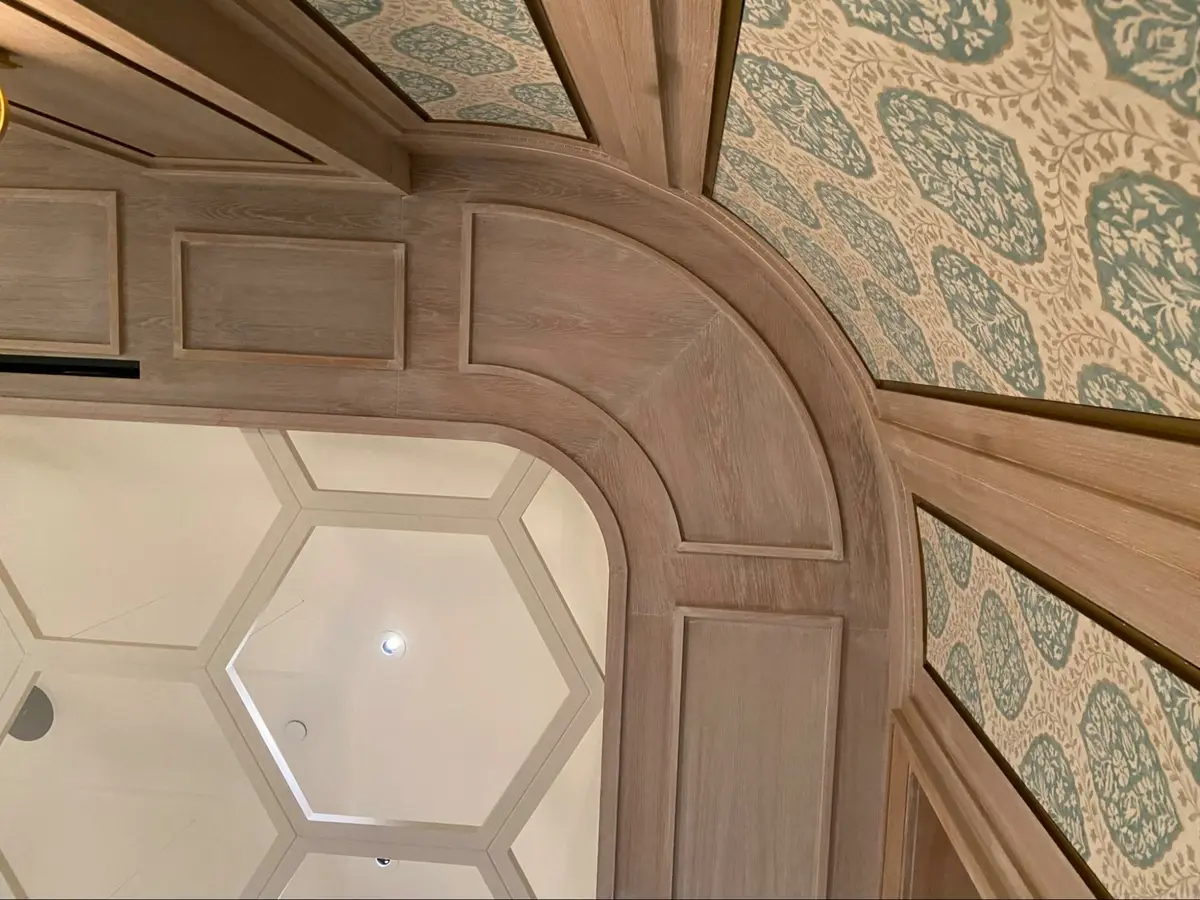
Photo credit: MetaphorDesign.com, Location: Cafe Boulud, Nassau, Bahamas,
Wood Highlights: Noteworthy detail of architectural trim moulding at curved ceiling soffit, suspended ceiling and wall trim
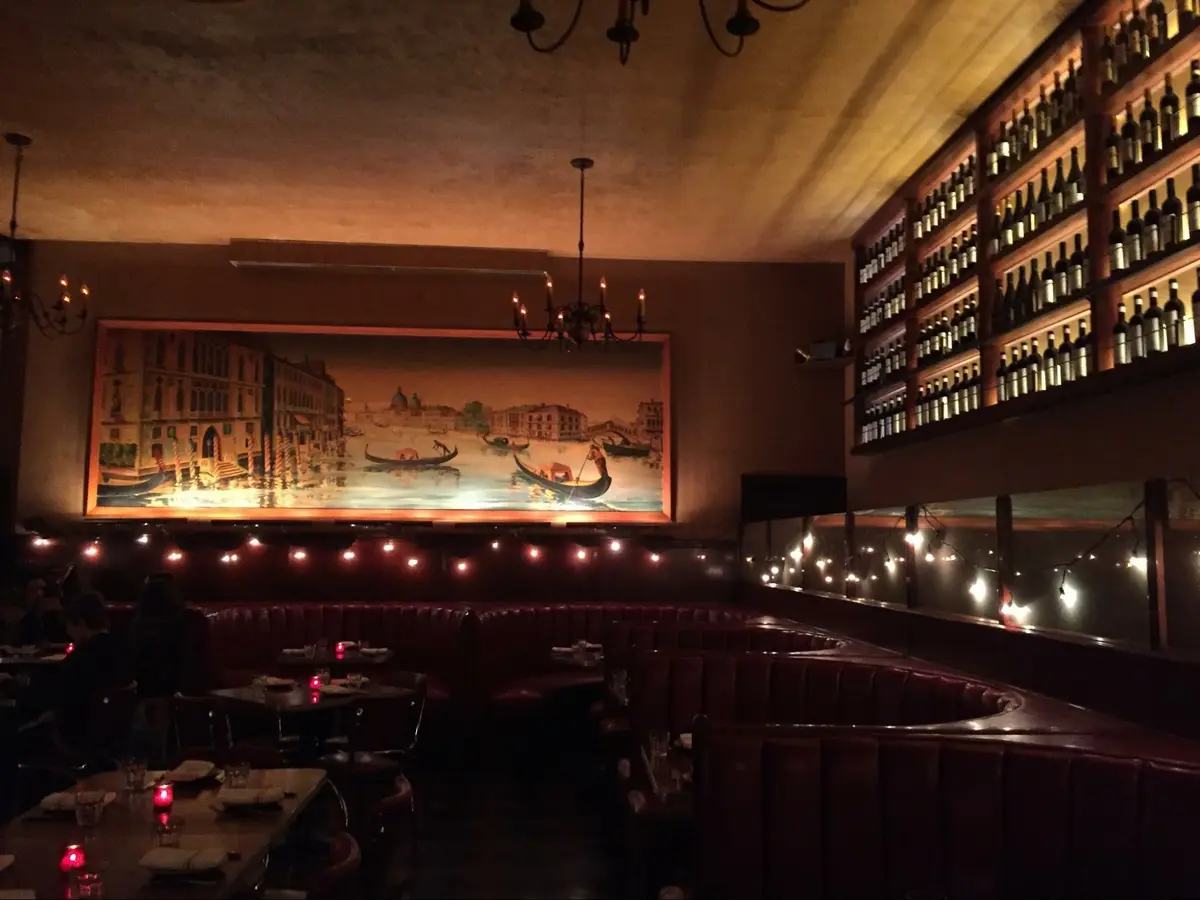
Photo credit: MetaphorDesign.com, Location: Tosca Cafe, San Francisco, California
Wood Highlights: Architectural trim moulding design at art, banquette seating and shelving serve the dining area
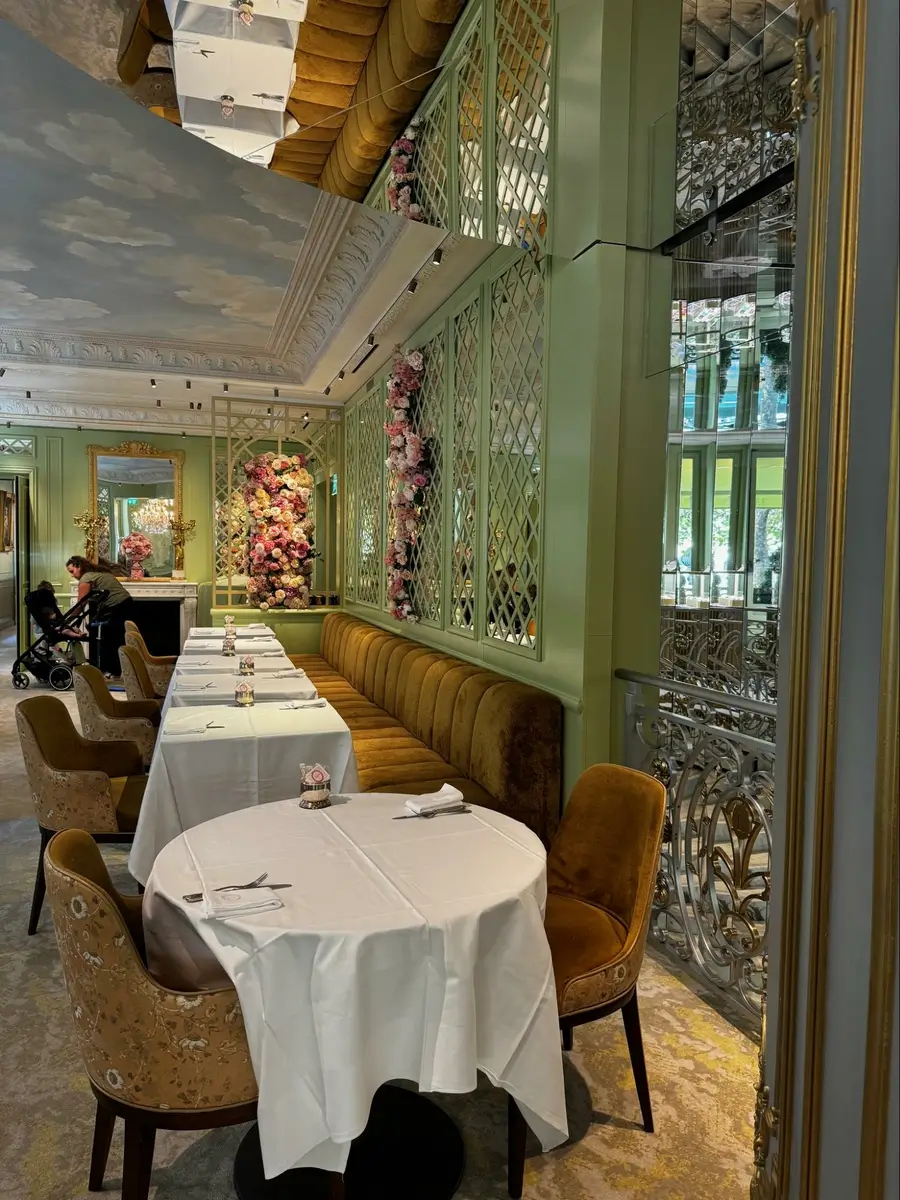
Photo credit: MetaphorDesign.com, Location: Laduree Cafe, Paris, France,
Wood Highlights: Mint painted architectural trim moulding design at banquette seating and ceiling
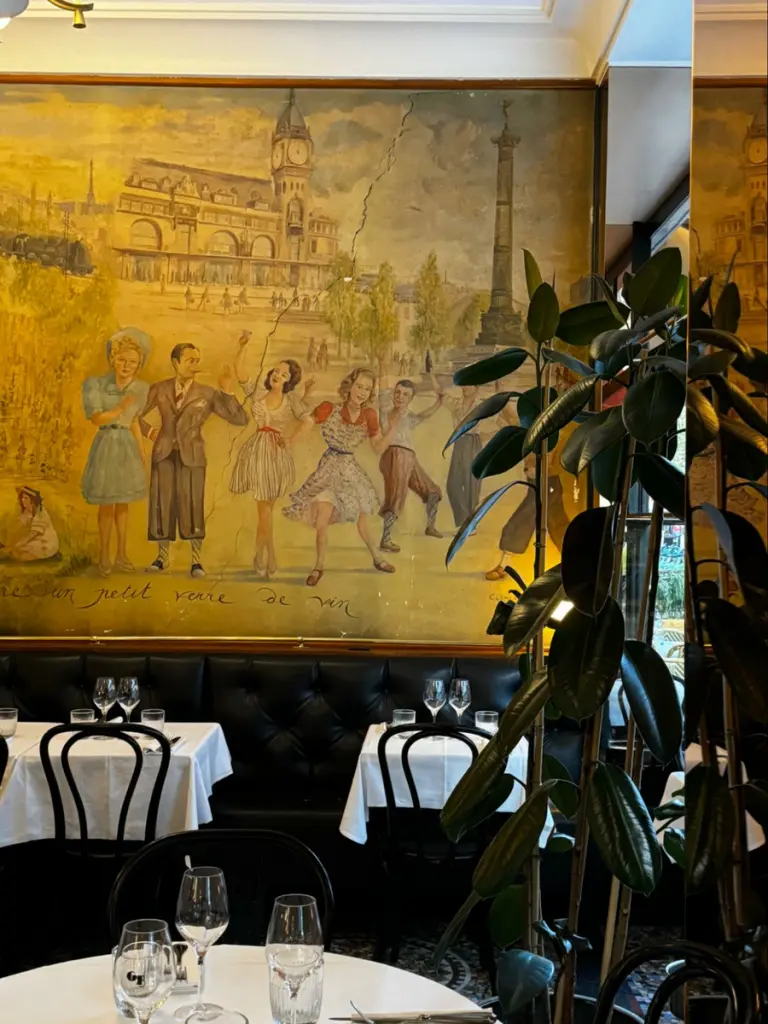
Photo credit: MetaphorDesign.com, Location: Cafe, Paris, France,
Wood Highlights: Painted architectural trim moulding design at ceiling above banquette seating combined with natural wood trim framing mural
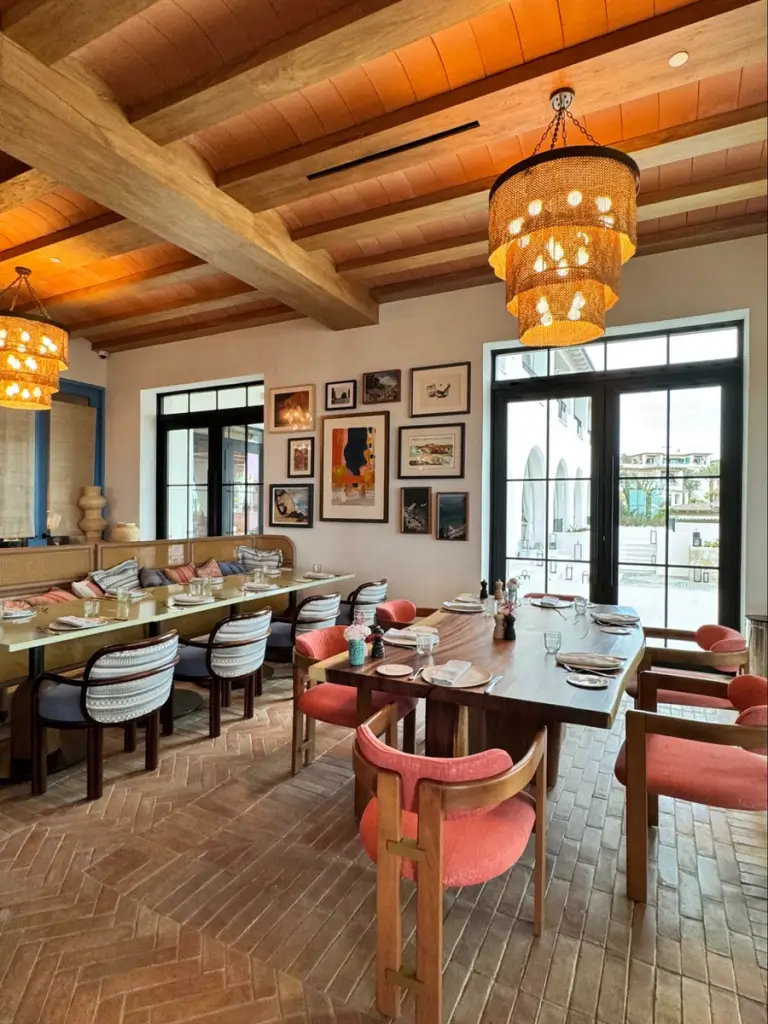
Photo credit: MetaphorDesign.com, Location: Baja California,
Wood Highlights: Architectural trim covering beams and blue painted room divider
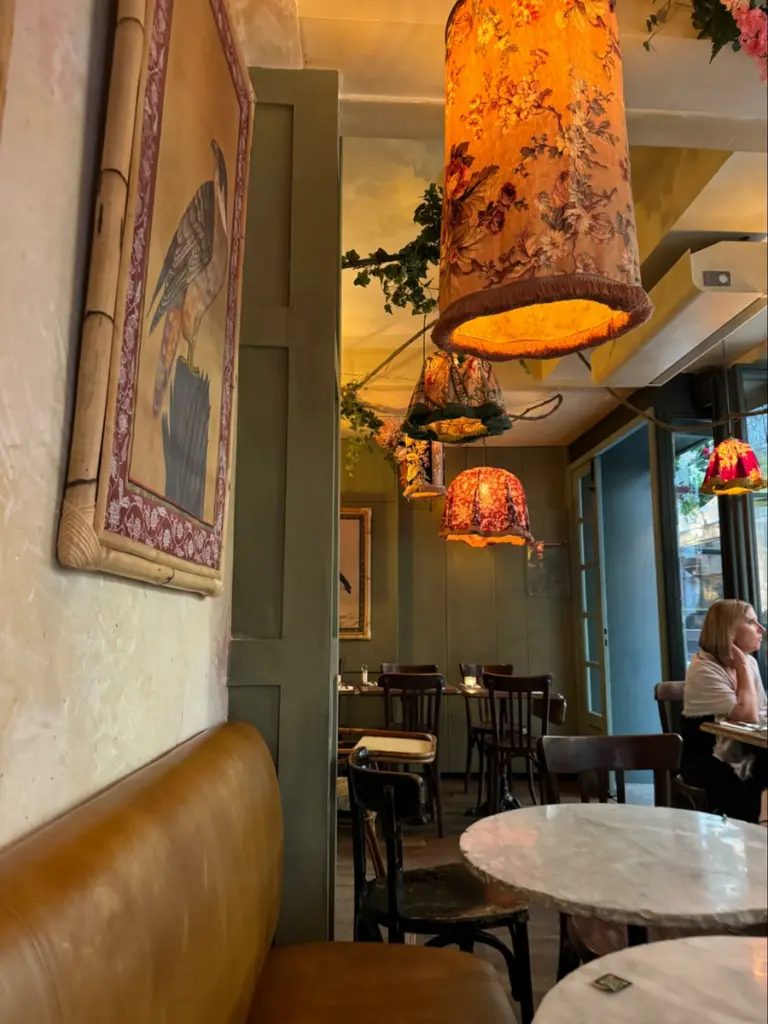
Photo credit: MetaphorDesign.com, Location: Cafe, Paris, France,
Wood Highlights: Green painted architectural trim moulding design makes a cohesive effect
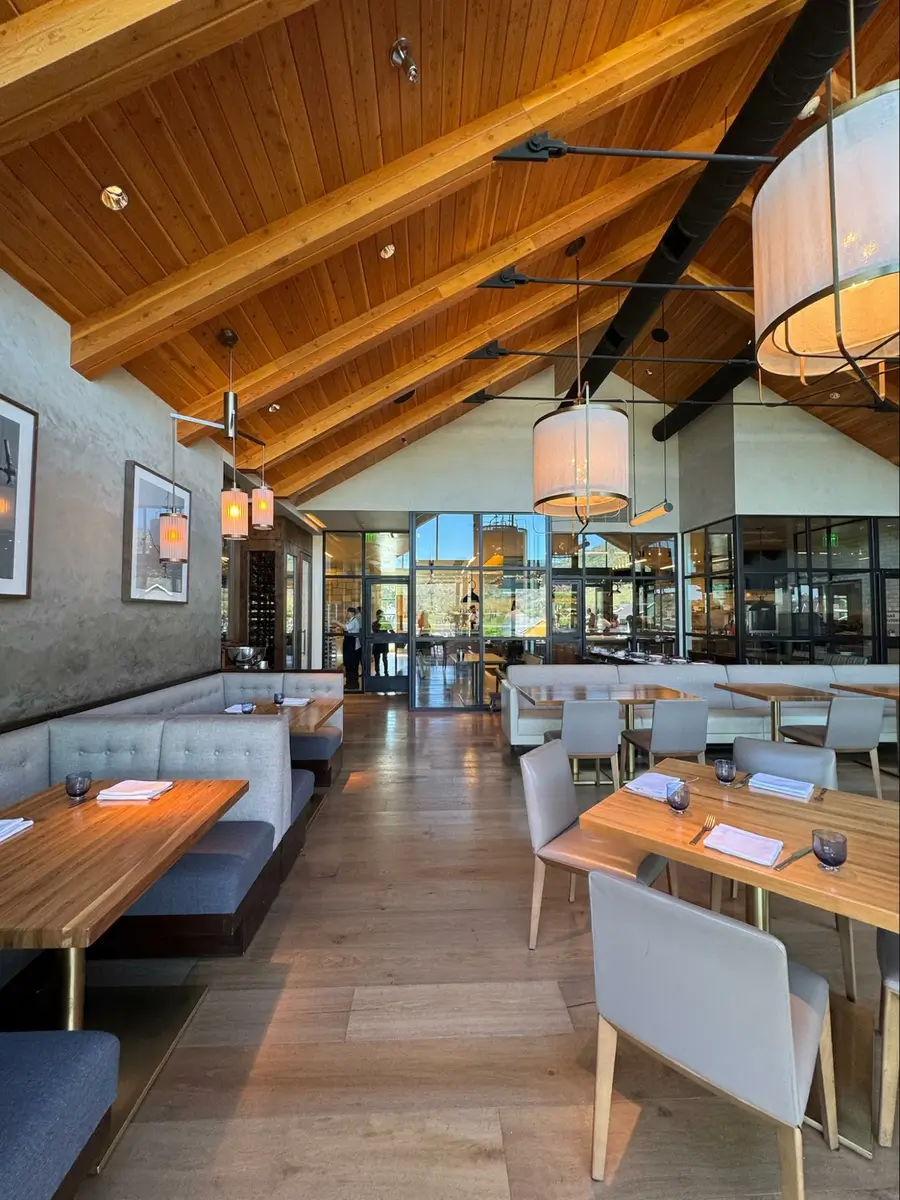
Photo credit: MetaphorDesign.com, Location: Auro, Calistoga, California,
Wood Highlights: Natural wood dominates the ceiling design
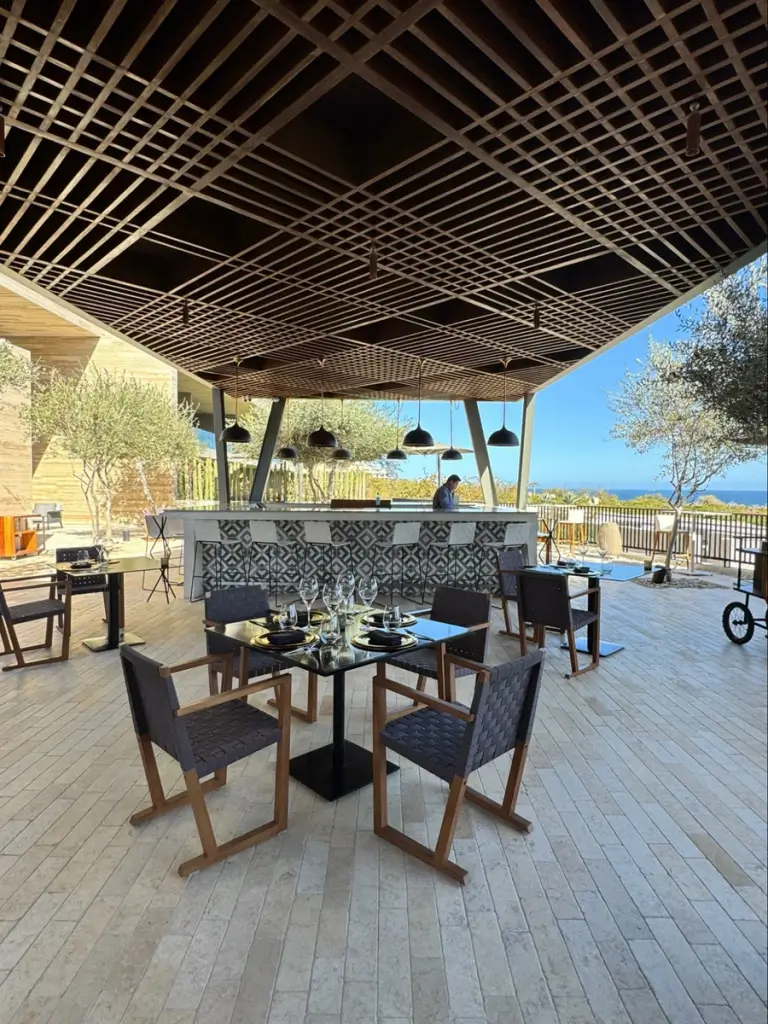
Photo credit: MetaphorDesign.com, Location: Al Pairo, Baja California,
Wood Highlights: Natural wood dominates the exterior ceiling design framing the view
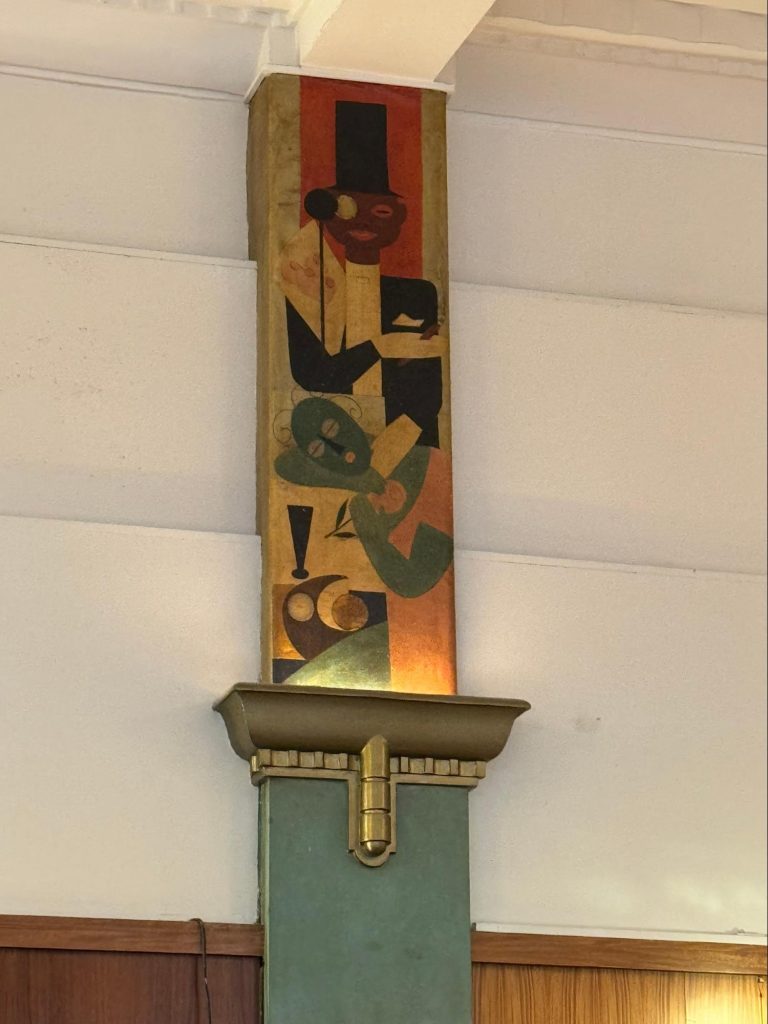
Photo credit: MetaphorDesign.com, Location: Lowpensky Moulding, San Francisco, California,
Wood Highlights: Natural wood trim milled with precision at Lowpensky Moulding
DISCLAIMER
The information in this article is provided solely for general informational purposes and does not constitute professional, technical, legal, or regulatory advice. Codes, permitting requirements, and construction standards vary by jurisdiction. Consult a licensed architect, engineer, contractor, professional designer, and your local building authorities before beginning any project. Lowpensky Moulding assumes no responsibility or liability for actions taken based on the content of this article.