

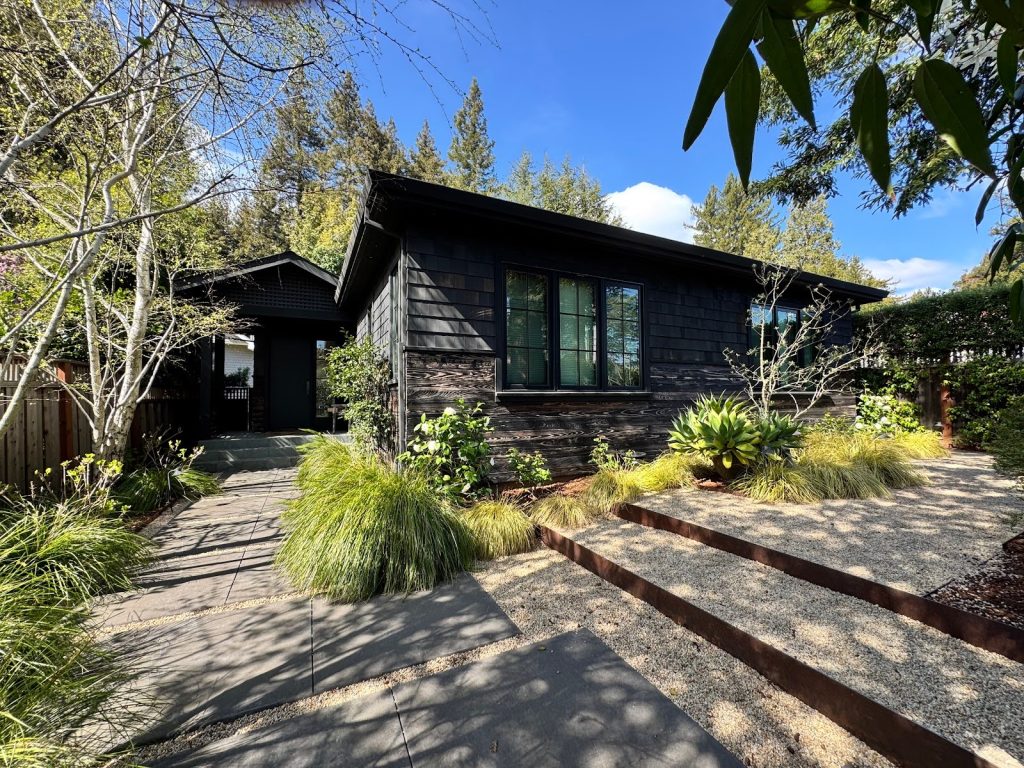
Photo credit: MetaphorDesign.com, Location: Private Residence, Larkspur, California, Wood Highlights: Exterior siding, two styles
Taking Sides: Five Siding Styles That Slay
The exterior of a building is the first thing people notice, and siding plays a crucial role in its aesthetic and functional appeal. Whether designing a modern retreat, a traditional home, or a commercial space, the right siding can elevate a building’s presence while protecting it from the elements. Today, we’re diving into five standout siding styles that bring character, depth, and longevity to any structure.
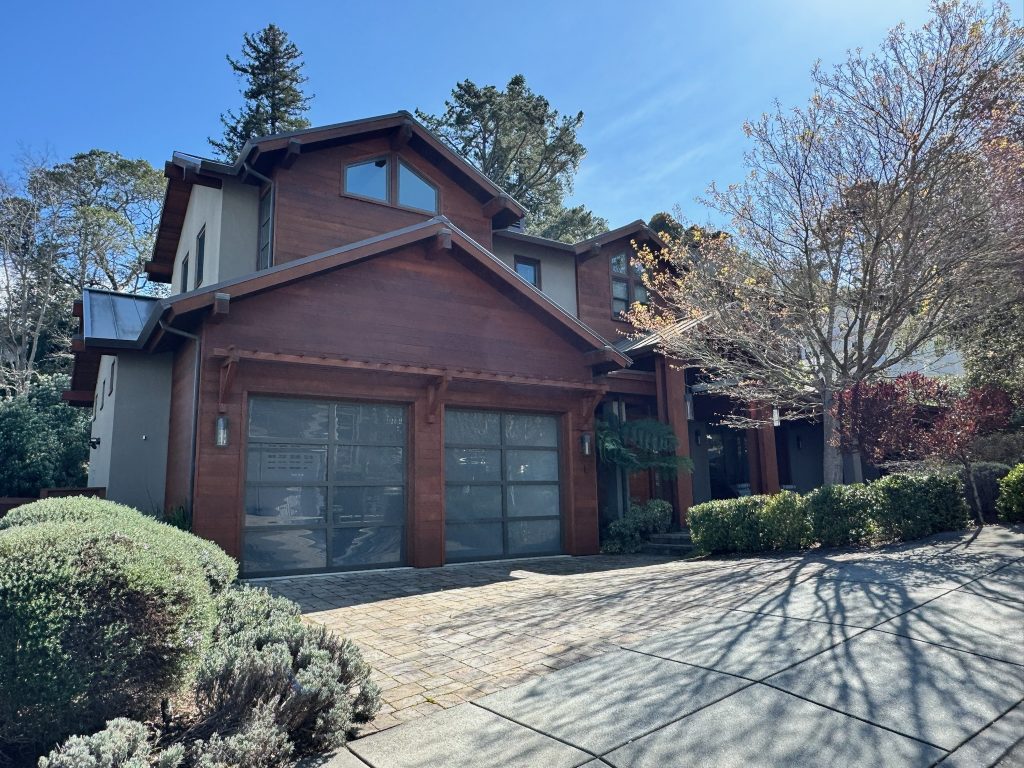
Photo credit: MetaphorDesign.com, Location: Private Residence, Larkspur, California, Wood Highlights: Wood siding paired with wood shingles
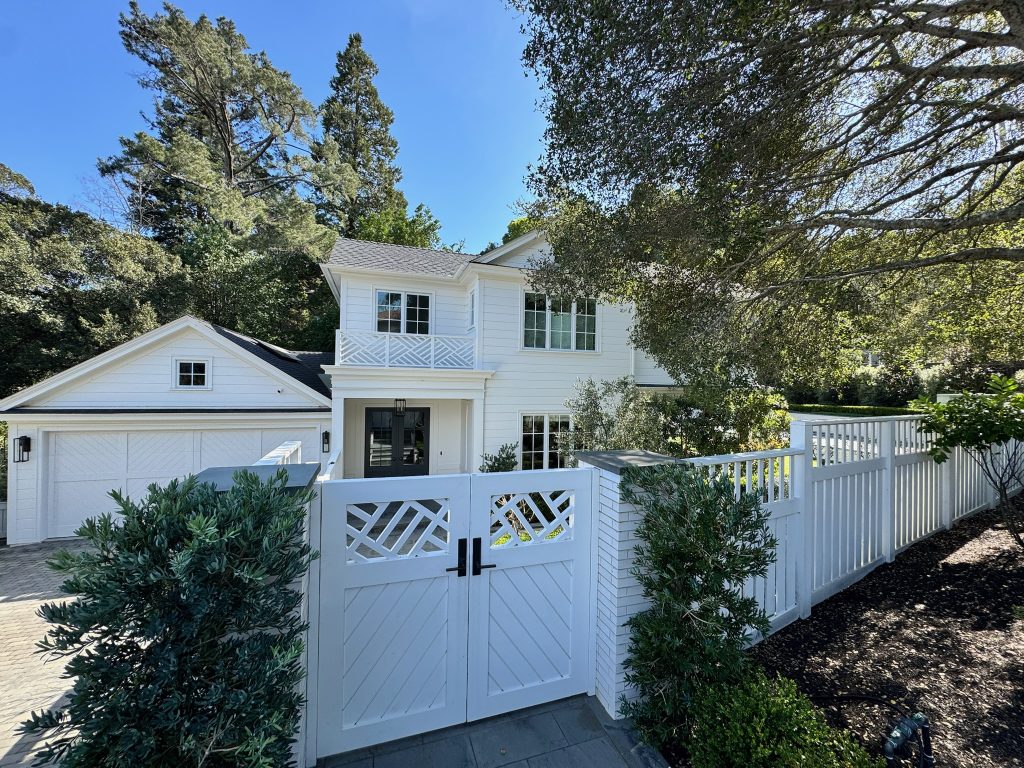
Photo credit: MetaphorDesign.com, Location: Private Residence, SF Bay Area, California, Wood Highlights: Horizontal wood siding with custom moulding
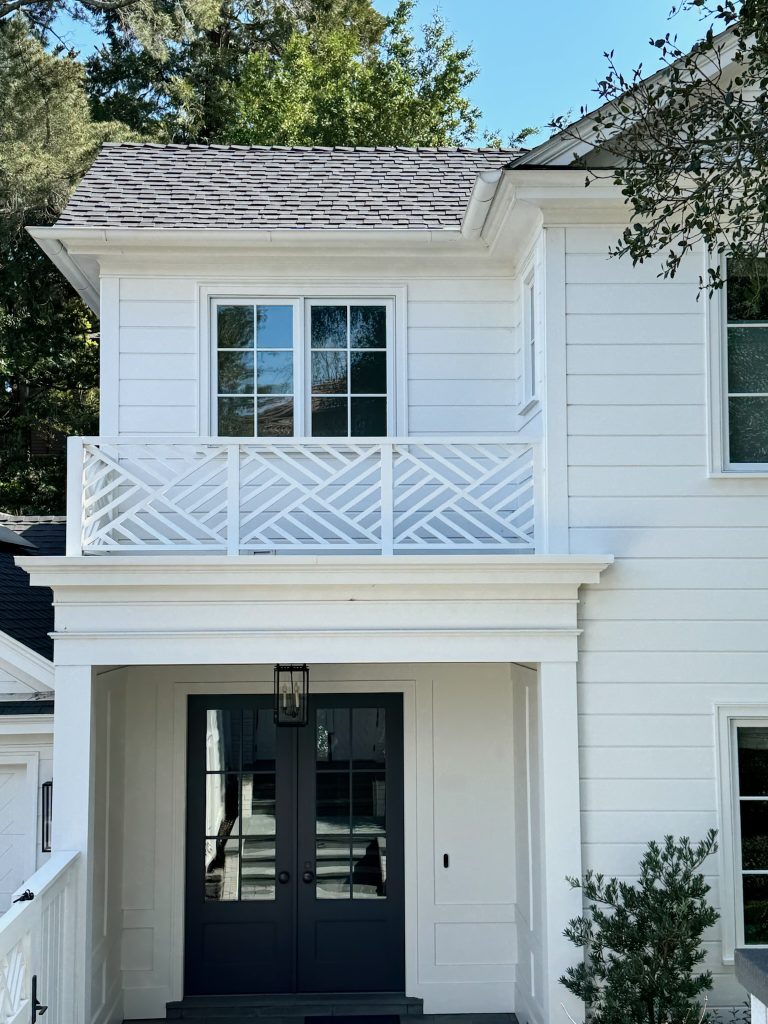
Photo credit: MetaphorDesign.com, Location: Private Residence, SF Bay Area, California, Wood Highlights: Horizontal wood siding with custom moulding
Classic Styles That Stand Alone
When it comes to siding, some styles have stood the test of time and remain go-to options for homeowners, architects, and builders alike. Understanding different types of siding is the first step to finding your style:
Lap Siding (Clapboard or Bevel Siding)
- Features long, overlapping horizontal boards.
- Classic and widely used for a traditional or contemporary look.
- Provides excellent water resistance due to its overlapping design.
- Horizontal or vertical boards with a tight, interlocking rabbet joint.
- Popular in modern, farmhouse, and coastal-style homes.
- Creates a clean, smooth look with subtle shadow lines.
Board and Batten Siding
- Vertical boards with narrow wooden strips (battens) covering the seams.
- Common in rustic, farmhouse, and contemporary designs.
- Provides a visually striking texture with strong vertical lines.
Shake or Shingle Siding
- Individual wood pieces (shakes are hand-split, shingles are sawn) applied in layers.
- Popular for Craftsman, Cape Cod, and cottage-style homes.
- Offers a textured, natural look with excellent weather resistance.
Tongue and Groove Siding
- Boards fit together with a tongue-and-groove joint, allowing for horizontal, vertical, or even diagonal installation.
- Creates a seamless and smooth surface with minimal gaps.
- Common in contemporary, rustic, cottage and mountain-style homes.
Each style offers unique aesthetic and functional benefits, making them suitable for different architectural designs and climate conditions.
The top five wood siding styles today are available at Lowpensky Moulding:
- V-Groove Shiplap (LM-X022 + 23)
- Square Edge (LM-X020)
- Nickel Gap (LM-X017)
- Bevel Shiplap (Custom Order)
- Lap Siding (LM-X025 3 lap; Custom Order 2 lap)
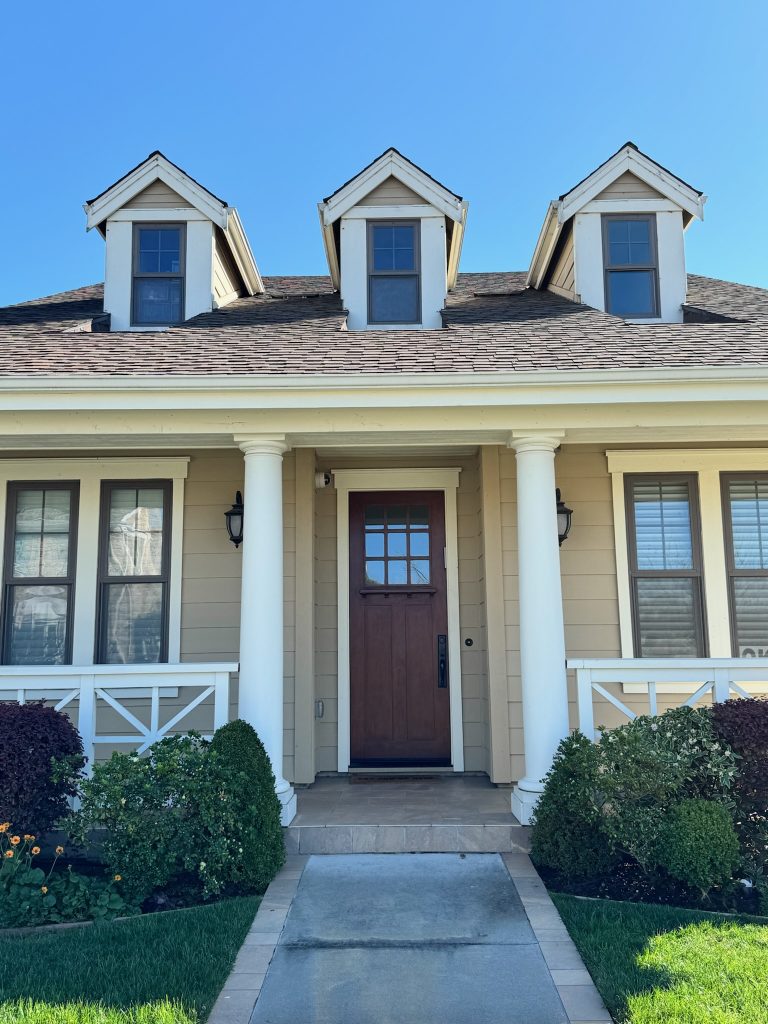
Photo credit: MetaphorDesign.com, Location: Larkspur, California, Wood Highlights: Exterior siding at exterior facade, soffit area, and dormer areas

Photo credit: MetaphorDesign.com, Location: Larkspur, California, Wood Highlights: Exterior siding at facade with custom trim
Additional Considerations
Horizontal Lap Siding (Clapboard or Bevel Siding): Perhaps the most common and appreciated siding choice, this timeless style features long, horizontal boards that overlap slightly. It’s often made from wood, fiber cement, or engineered wood. This style is known for its durability and ability to create a clean, structured, appealing look while waterproofing the exterior.
Board and Batten Siding: Originally used in barns and farmhouses, this vertical siding style is now a modern favorite. Wide boards are installed vertically with narrow strips, called battens, covering the seams. The effect is a striking, textural façade that works beautifully on both contemporary and rustic homes.
Shingle Siding (Cedar Shake): Shingles create a cozy, coastal, or craftsman-style appearance. Traditionally made from cedar, they weather beautifully over time, taking on a silvered patina. This style is often seen in Cape Cod and New England homes but works well in many design settings.Shingle siding can be expertly combined with lap siding for a strong style effect and is a popular duo with architects, builders and homeowners.
Each of these styles carries a unique charm that allows a building to make a statement all on its own. Whether seeking a timeless aesthetic or a refined, traditional appeal, these classics continue to stand strong.
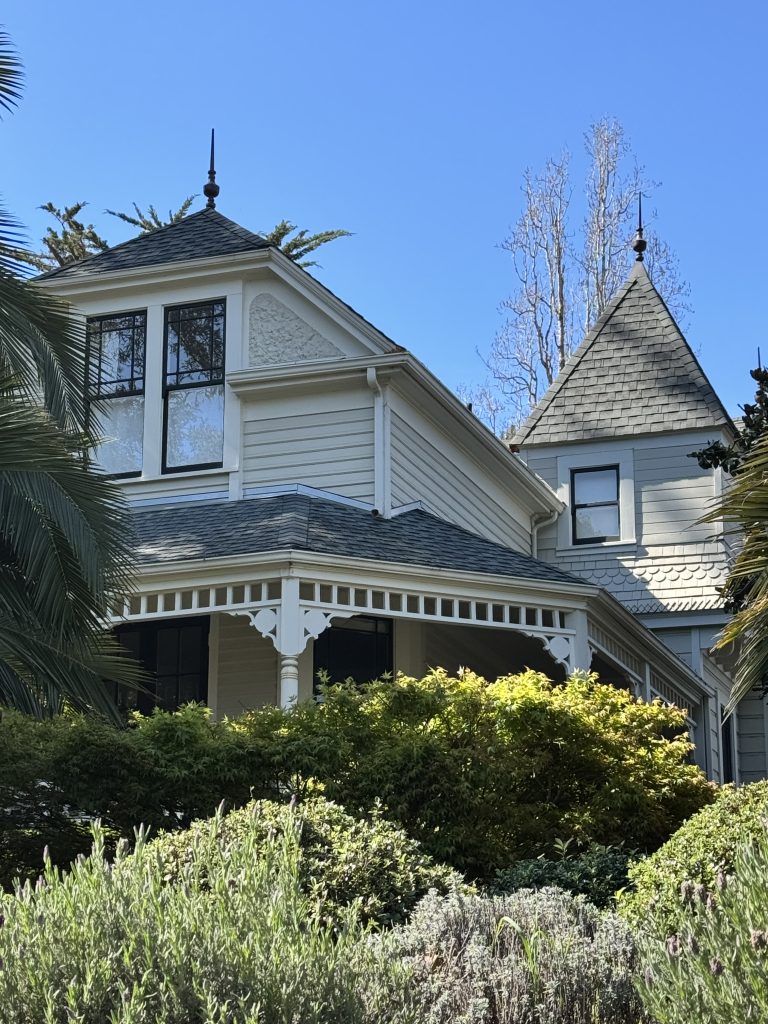
Photo credit: MetaphorDesign.com, Location: Larkspur, California, Wood Highlights: Exterior siding with small shingled area and custom trim
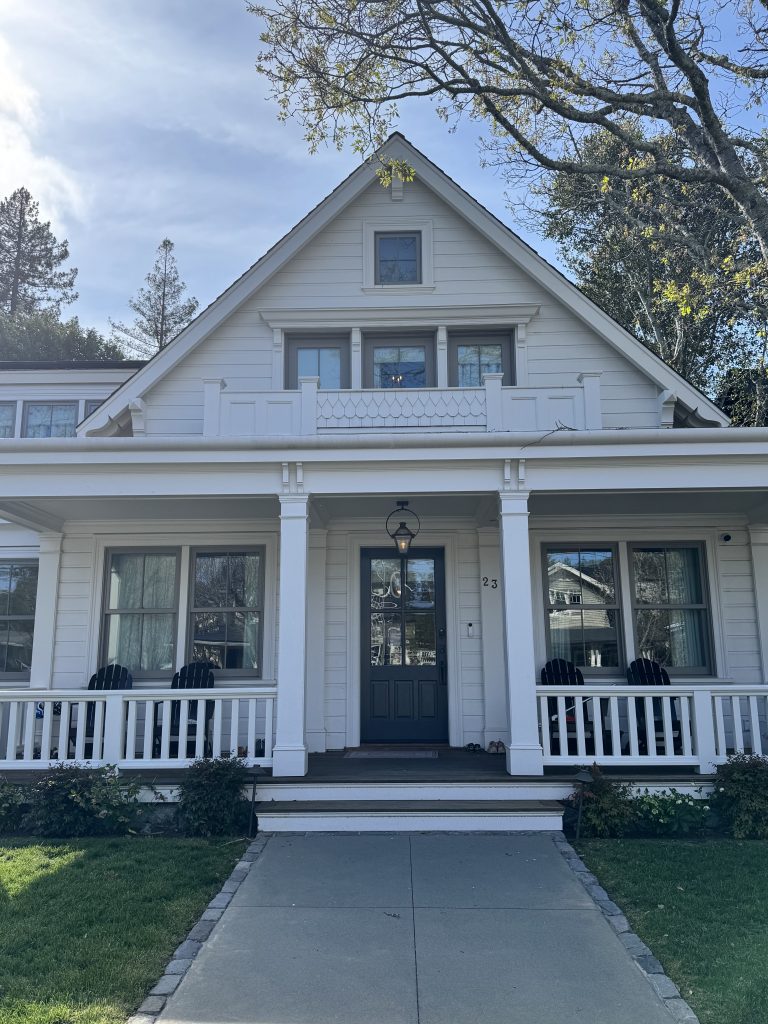
Photo credit: MetaphorDesign.com, Location: Larkspur, California, Wood Highlights: Exterior horizontal siding with custom trim and shingles
Pleasing Pairings: Combining Siding Styles for Maximum Impact
Mixing siding styles is an art that architects and designers use to enhance the depth and interest of a building. Thoughtful combinations can break down the mass of a structure, emphasize key architectural elements, and create a balanced, cohesive design.
- Wider siding below, narrower siding above: One common pairing uses a wider wood patterned siding on the lower half of a building, with a narrower patterned siding above. A transition trim or beltline helps define the two areas, providing visual hierarchy.
- Mixed materials for texture: Combining wood siding with wood shingles, natural stone or brick masonry can introduce warmth while grounding a design. This works particularly well for commercial buildings, contemporary homes, or properties with large façades.
- Vertical and horizontal interplay: While horizontal siding elongates a structure, vertical siding can create a sense of height. A clever design tool is to use horizontal siding on the main mass of the building while accentuating certain volumes with vertical siding to emphasize height.
By mixing materials and layouts thoughtfully, a structure gains a layered look that feels custom and intentional.
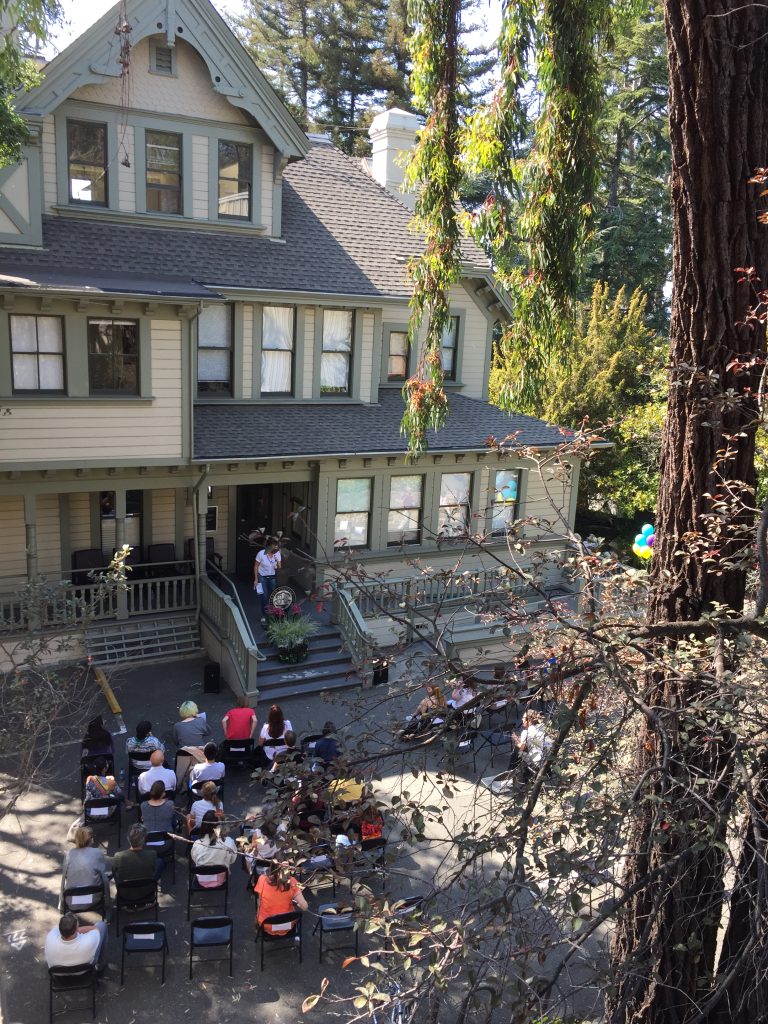
Photo credit: MetaphorDesign.com, Location: CCA Campus, Oakland, California, Wood Highlights: Exterior siding with custom trim
Three Times is a Charm: Adding a Third Siding Element for Depth
Sometimes, two isn’t enough on larger projects. Adding a third siding style to a building exterior—when done well—can create a harmonious and charming effect. The key is to maintain balance and ensure each element has a purpose.
- How to do it right: A primary siding style should dominate the building, while a secondary siding style complements it. The third style acts as a feature or accent—often found at the base of a building, wrapping around to create cohesion between the upper materials. Another approach is to locate it in a pediment to draw the eye upwards.
- Example combination: Consider a modern farmhouse featuring board and batten siding as the primary material, horizontal lap siding as the secondary element on smaller volumes, and a stone base as the third unifying factor.
- When to avoid overuse: While three styles can add charm, going beyond that can lead to a busy, unplanned look. The key is maintaining visual harmony with consistent colors and materials.
A three-part siding composition can elevate a design, reinforcing both structure and style.
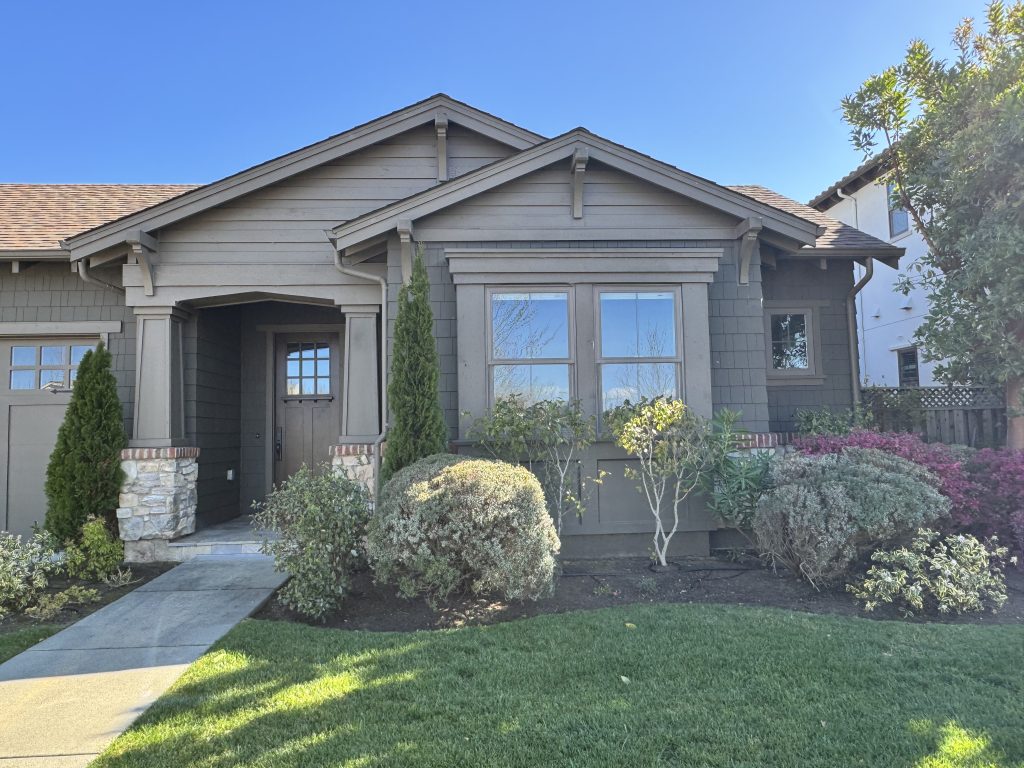
Photo credit: MetaphorDesign.com, Location: Private Residence, Larkspur, California, Wood Highlights: Exterior siding at upper area paired with wood shingles
Wood Siding vs. Vinyl Siding: Which Sounds Better
Wood siding and vinyl siding both have their place in the market, but they come with very different considerations. Here’s how they compare:
Wood Siding: The Timeless Favorite
- Pros: Natural beauty, durability, customizable with stains and finishes, eco-friendly FSC certified options available.
- Cons: Requires regular maintenance (sealing, painting); although rare, can be susceptible to moisture damage if not properly installed.
Vinyl Siding: Rings Alarm Bells
- Pros: Low maintenance, inexpensive, available in many colors and textures.
- Cons: Can warp or crack over time, has a plastic-like appearance, not environmentally friendly, cannot be replaced or repaired easily. Vinyl is PVC siding and is detrimental to the environment because it is synthetic and not biodegradable. The production of PVC releases toxic gases such as nitrogen oxide, dioxin and other carcinogens. Additionally, when burned in a high-temperature fire, some of its toxic components, such as chlorine gas and the carcinogen dioxin, are released into the environment.
When investing in siding, wood remains a superior option for longevity and aesthetic appeal, while vinyl can be a budget-friendly alternative for short-term solutions.
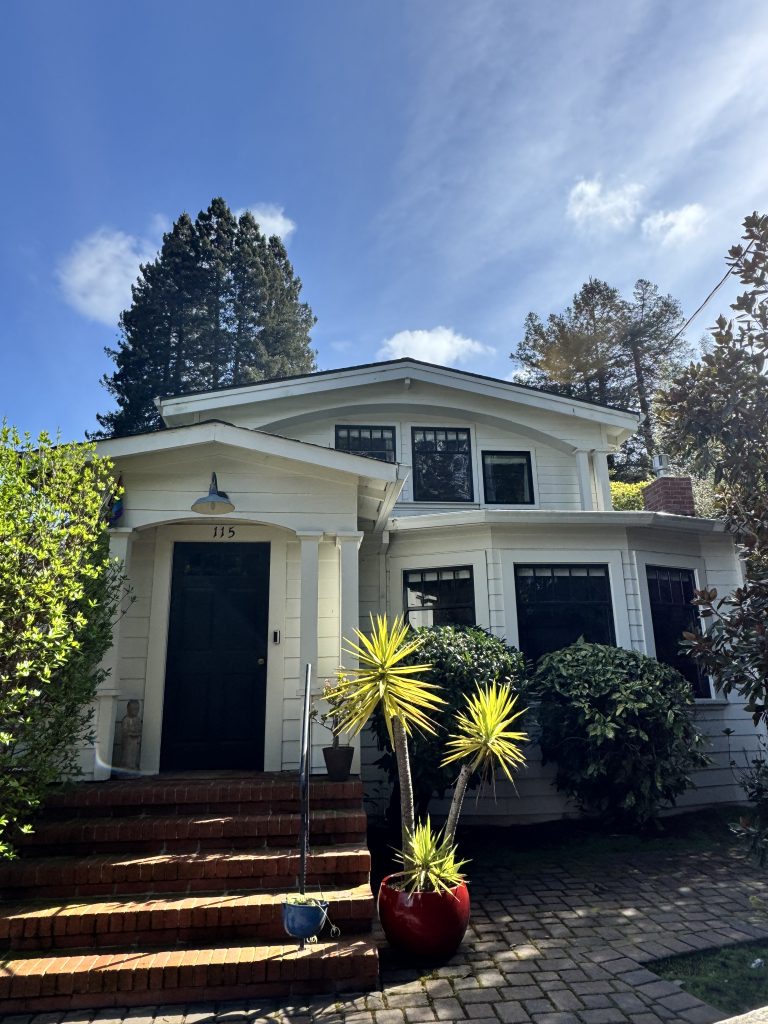
Photo credit: MetaphorDesign.com, Location: Private Residence, Larkspur, California, Wood Highlights: Exterior siding with arched areas, custom trim
The Power of Proper Finishing: Moulding and Trim
No siding project is complete without proper moulding and trim to define edges, transitions, and architectural details. The right trim selection can take an exterior from ordinary to extraordinary.
- Corner trims and window trims: These elements create clean edges and protect vulnerable areas.
- Belly bands and transition trims: Used to separate different siding styles and add visual interest.
- Decorative molding: For traditional or historic homes, detailed trim can enhance period-specific charm.
Moulding and trim are the finishing touches that frame a building’s façade, adding polish and precision to the overall look.
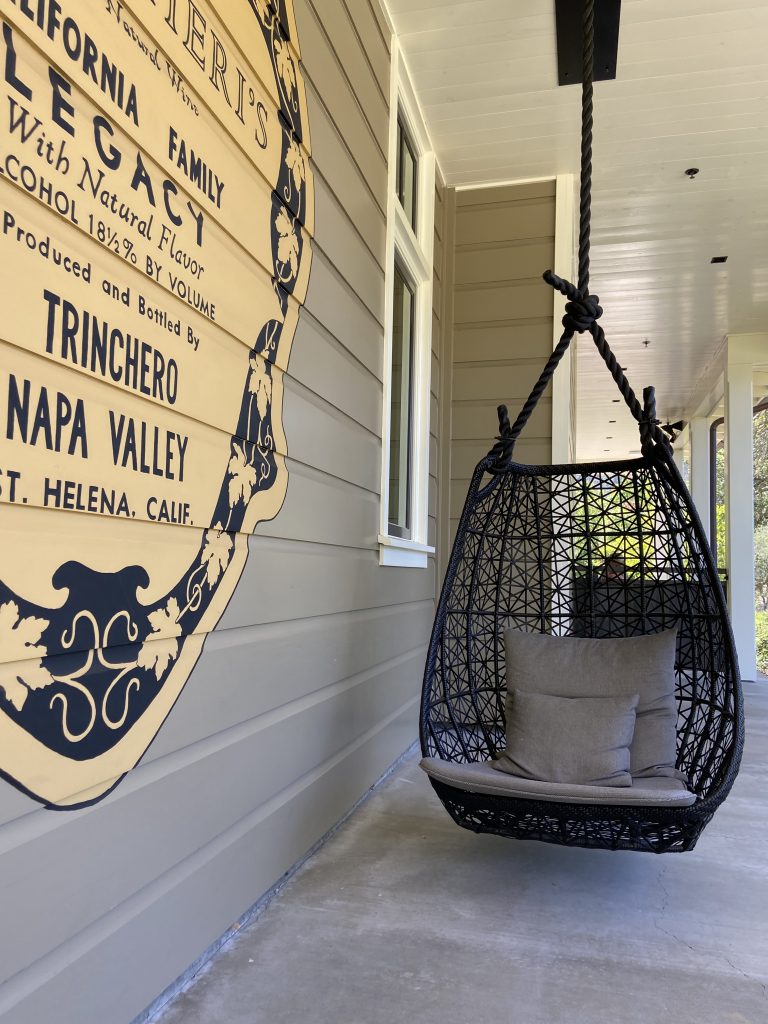
Location: Trinchero Winery, St. Helena, California, Wood Highlights: Exterior siding at exterior envelope and porch soffit with custom painted graphics

Photo credit: MetaphorDesign.com, Location: Trinchero Winery, St. Helena, California, Wood Highlights: Exterior siding at exterior envelope and soffit
Aesthetic and Natural Beauty
- Authenticity: Wood has a warmth and depth that synthetic materials struggle to replicate. It ages gracefully, developing a natural patina over time, especially with materials like cedar or redwood.
- Customization: Unlike fiber cement, wood can be easily stained or painted to match any design vision. It allows for unique customizations, such as texturing or distressing, to fit both traditional and contemporary aesthetics.
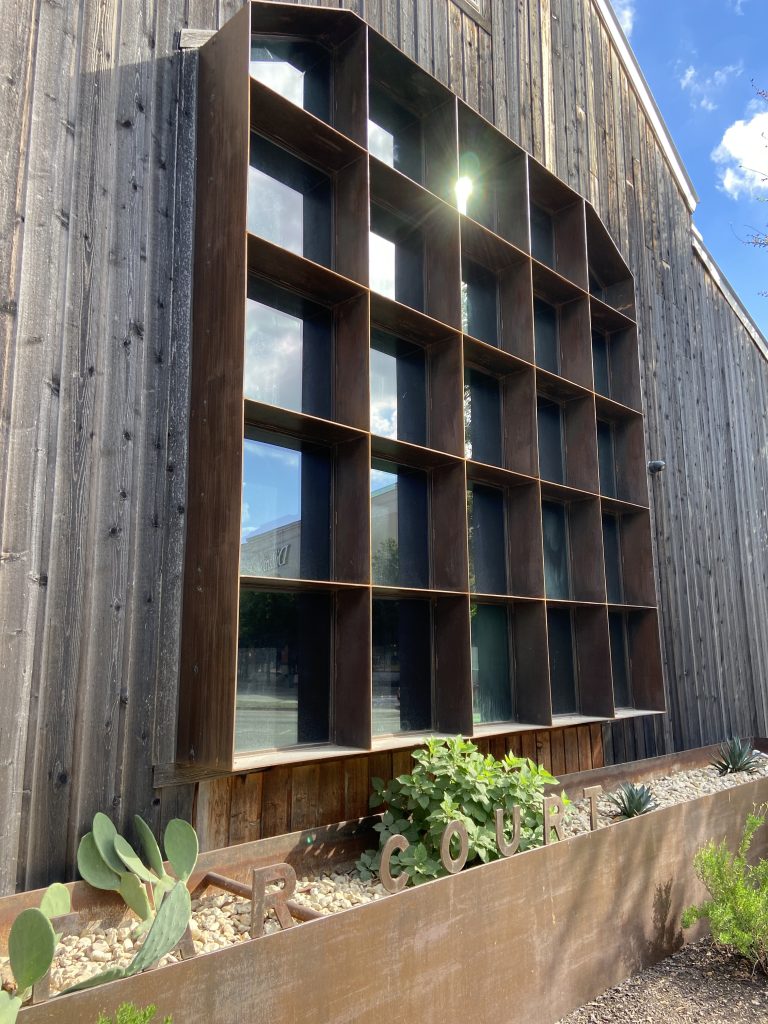
Photo credit: MetaphorDesign.com, Location: Lone Star Court, Austin, Texas, Wood Highlights: Exterior siding in knotted wood paired with corten window frame
Environmental and Sustainability Benefits
- Renewable Resource: Responsibly sourced wood (FSC-certified) is a renewable material, making it a more sustainable choice compared to fiber cement, which requires more energy to manufacture.
- Lower Carbon Footprint: Wood production has a lower embodied energy compared to fiber cement, which relies on cement, sand, and cellulose fibers—materials that require high energy processing.
LEED Certification and Sustainable Siding Choices
Specifying wood siding from Lowpensky Moulding can contribute to earning LEED points in several key categories, reinforcing the environmental benefits of natural wood. By selecting FSC-certified wood, projects can gain points under Materials and Resources (MR) credits for responsible sourcing. Using low-VOC finishes supports Indoor Environmental Quality (IEQ) credits, enhancing indoor air quality. Additionally, sourcing wood locally reduces transportation impacts, contributing to Regional Materials credits. These advantages make wood siding not only a superior aesthetic choice but also a strategic decision for achieving sustainability goals in modern building projects.

Photo credit: MetaphorDesign.com, Location: Loveski Deli, Larkspur, California, Wood Highlights: Exterior siding with painted graphics and custom trim
Easier Repairs and Modifications
- Localized Repairs: Wood siding can be repaired on a board-by-board basis, whereas fiber cement often requires replacing an entire section, which can be more labor-intensive.
- Easier to Modify: Need to add a window or expand a structure? Cutting and adapting wood siding is much easier than modifying fiber cement, which is heavier and more brittle.
- Resilience with Maintenance: While fiber cement is known for its durability, high-quality wood siding (such as cedar, redwood, or specially treated pine) can last just as long when properly maintained.
- Breathability: Wood allows for better moisture control in some climates, reducing the risk of trapped moisture behind siding, which can lead to mold or structural issues.

Photo credit: MetaphorDesign.com, Location: Sunspel, Larkspur, California, Wood Highlights: Exterior siding with contrasting custom trim
Durability and Longevity with Proper Maintenance
Wood siding has long been a popular choice due to its natural beauty, versatility, and sustainability. When comparing it to fiber cement and other modern materials, several key factors come into play. Wood siding still holds a strong position, even in a market filled with alternatives.
Traditional Craftsmanship and Value
- Architectural Authenticity: For historic homes or high-end designs, wood is often the preferred choice because it maintains the architectural integrity of the structure.
- Increased Property Value: Many buyers perceive natural wood siding as a premium material, which can positively impact resale value.
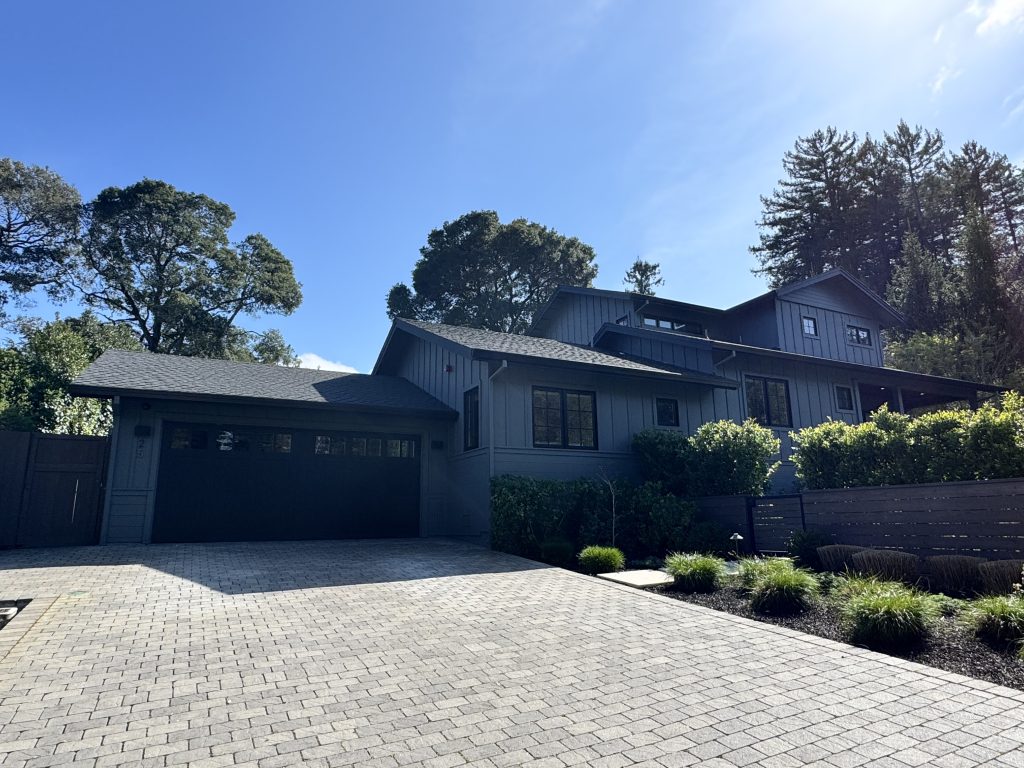
Photo credit: MetaphorDesign.com, Location: SF Bay Area, Marin County, California, Wood Highlights: Exterior siding paired with board and batten above
Final Thoughts: Taking Sides with Style
Siding is more than just a protective layer—it’s a defining feature of a building’s character. Whether you opt for a single classic style, mix and match for visual interest, or add a third dimension for enhanced appeal, siding choices play a vital role in exterior design. Wood siding remains a superior choice for longevity, charm, and environmental responsibility. Lowpensky Moulding offers ten siding styles in our catalog to get you started with your planning.
Your Best Siding Supplier
If you’re considering a siding update or building from the ground up, talk to your architect, designer or builder. Our team can help you find the best wood siding style that aligns with your plans, durability needs, and budget. Contact us today to find your options, provide samples and bring your project goals to life with our made to order siding and trim.

SHIPLAP, LOWPENSKY MOULDING CATALOG, PAGE 23
 SHIPLAP, LOWPENSKY MOULDING CATALOG, PAGE 24
DISCLAIMER
The information in this article is provided solely for general informational purposes and does not constitute professional, technical, legal, or regulatory advice. Codes, permitting requirements, and construction standards vary by jurisdiction. Consult a licensed architect, engineer, contractor, professional designer, and your local building authorities before beginning any project. Lowpensky Moulding assumes no responsibility or liability for actions taken based on the content of this article.