


Photo credit: Metaphor Edge,
Location: San Francisco, California,
Wood Highlights: Wood stucco moulds divide stucco panels into geometric grids in this Tudor style home, framing windows and gables
Stucco Moulds for Solid Installations: Classic Style in Exterior Trim
Stucco moulds are the profiles that bring dimension to flat stucco walls. From crisp window surrounds to panel dividers and decorative crowns, these mouldings give strength, shadow, and scale to exterior surfaces. Whether painted in bold contrast or blended to match, they shape the rhythm of façades across San Francisco.
What Is a Stucco Mould
A stucco mould (or stucco molding) is a profiled trim piece, traditionally milled in durable natural wood, that frames or divides stucco walls. Common uses include:
- Around windows and doors – creating defined casings
- At horizontal transitions – belt courses, water tables, or cornices
- As decorative elements – crowns, panel trims, or geometric patterns
In practice, stucco moulds:
- Protect vulnerable stucco edges
- Add shadow lines for architectural depth
- Reinforce style, from Tudor to Mediterranean to Modern
A Detail Rooted in History
Stucco and stucco mouldings have been paired together for centuries. As the informative National Park Service notes in Preservation Brief 22, “Historically, stucco was often used in conjunction with other materials, such as wood or stone trim, to provide definition at corners, around openings, and along rooflines. These projecting elements helped protect vulnerable edges from water infiltration while adding architectural character.”
In California, leading architects of the early 20th century embraced this approach. Julia Morgan used stucco paired with wood mouldings in both Tudor Revival residences and Mediterranean-inspired commissions, combining durability with refined detail. Her contemporary Bernard Maybeck employed similar methods in the Berkeley Hills, using wood trim over stucco panels to emphasize rhythm and structure in Arts & Crafts and Tudor-style homes.
Further south, Wallace Neff helped define the Spanish Colonial Revival, pairing smooth stucco walls with finely detailed trim at doors, windows, and rooflines—hallmarks of his Period Revival residences in Pasadena and across Southern California. In the Bay Area, William Wurster carried the tradition into the Bay Region Style, simplifying mouldings into crisp, functional trim that bridged historic precedent with modern restraint.
In San Francisco specifically, Tudor Revival homes relied on dark wood stucco moulds as strong vertical and horizontal dividers, while Mediterranean residences used mouldings as window casings, belt courses, and cornices. The combination balanced durability with stylistic clarity, reinforcing architectural identity. Today, contemporary buildings employ stucco and mouldings in fresh ways—emphasizing bold volumes, clean planes, and modern shadow lines while still protecting the building envelope.
Stucco, Plaster, and Adobe — What’s the Difference?
- Stucco – An exterior finish, traditionally lime, sand, and water (later with Portland cement). Durable and weather-resistant, applied thicker than plaster.
- Plaster – An interior wall and ceiling finish, usually lime- or gypsum-based. Provides a smooth, paintable surface but not meant for exterior use.
- Adobe – Sun-dried bricks made of mud, clay, and straw, often finished with stucco or plaster for protection. Common in Spanish and Indigenous traditions.
Performance of Stucco Moulds
Stucco moulds deliver more than aesthetics:
- Edge Protection – Prevent cracking at stucco terminations
- Durability – Provide a stable transition between stucco and openings
- Design Presence – Turn flat walls into façades of depth and rhythm
- Flexibility – Profiles range from understated trim to elaborate decorative mouldings
According to the U.S. Department of Energy, proper detailing at windows and doors reduces air leakage and improves thermal performance. Mouldings play a critical role in protecting edges and maintaining tight transitions around openings and therefore are also important for thermal performance.
Stucco Mould Profiles and Possibilities
Wood stucco moulds can be milled in styles that suit any project:
- Flat moulds – Minimal, modern, blending seamlessly with walls
- Panel dividers – Reinforce Tudor-style and modern geometry
- Crown and cornice moulds – Create shadow at rooflines and bays
- Decorative profiles – Chamfered, ogee, or historically inspired trims
The Lowpensky catalog includes a dedicated range of stucco moulds, LM-M011–15, designed to lap over stucco edges. These profiles provide crisp definition while protecting vulnerable transitions, ensuring both durability and architectural clarity.
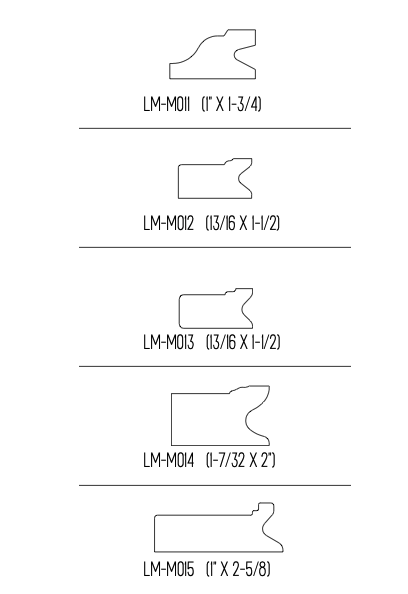
Lowpensky Moulding catalog page 26 shows stucco moulding profiles LM-011 thru LM-015
San Francisco Examples: Stucco Moulds in Context
Pacific Heights Tudor-style Home, San Francisco
Durable mouldings emphasize rhythm and historic character. Wood stucco moulds shown above divide stucco panels into geometric grids, framing windows and gables.
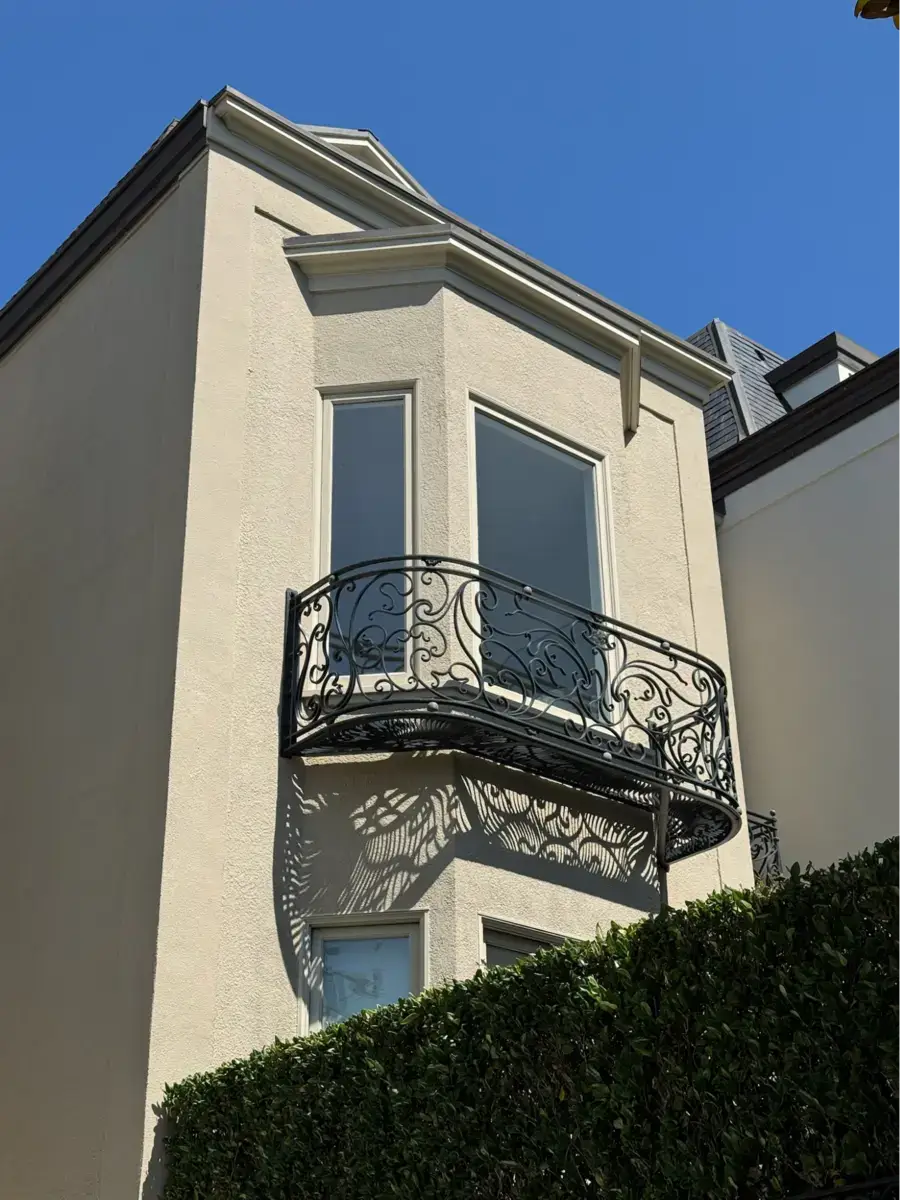
Photo credit: Metaphor Edge,
Location: San Francisco, California,
Wood Highlights: Stucco mouldings provide crisp window surrounds against textured stucco walls behind an iron balcony. These exterior trim profiles protect edges while reinforcing vertical proportion.
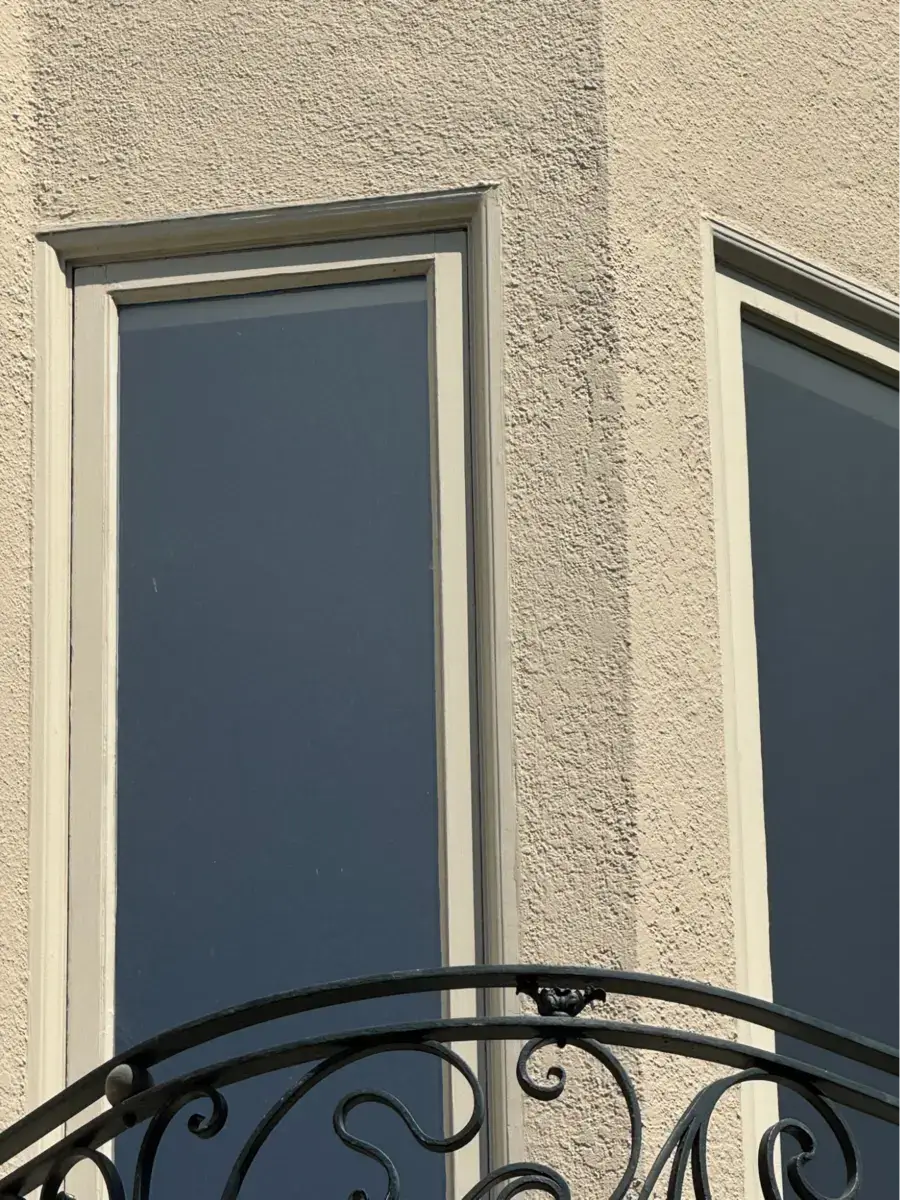
Photo credit: Metaphor Edge
Location: San Francisco, California
Wood Highlights: Detail view showing stucco mouldings framing tall windows against textured stucco. Profiles sharpen the edges, ensuring durability and a clean transition between wall and glass.

Photo credit: Metaphor Edge
Location: San Francisco, California
Wood Highlights: Boldly painted wood stucco moulds define bays and gables, with decorative balcony railing above. Contrasting trim creates shadow lines and architectural depth.
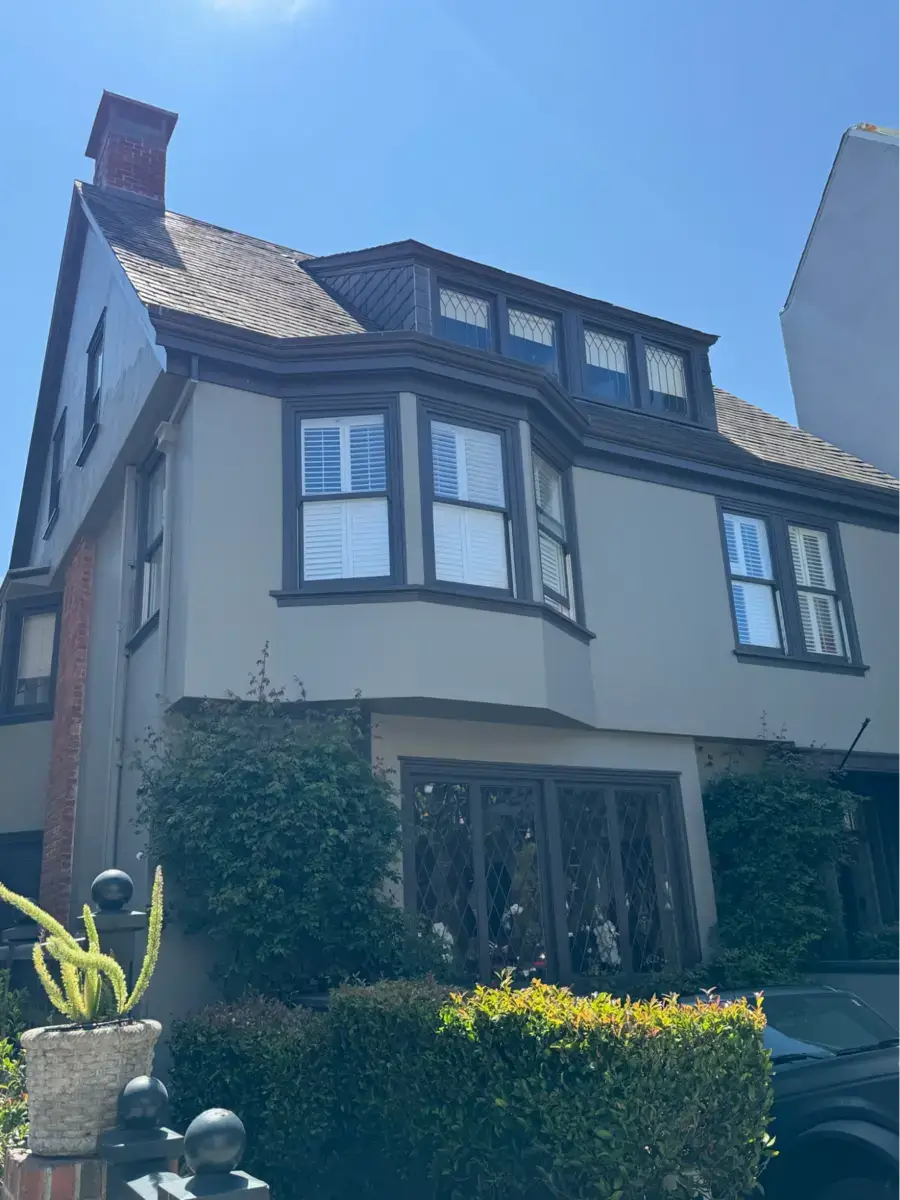
Photo credit: Metaphor Edge
Location: San Francisco, California
Wood Highlights: Subtle stucco moulds outline bay windows and upper dormers. Painted profiles provide continuity across the façade while softening transitions in the stucco wall.
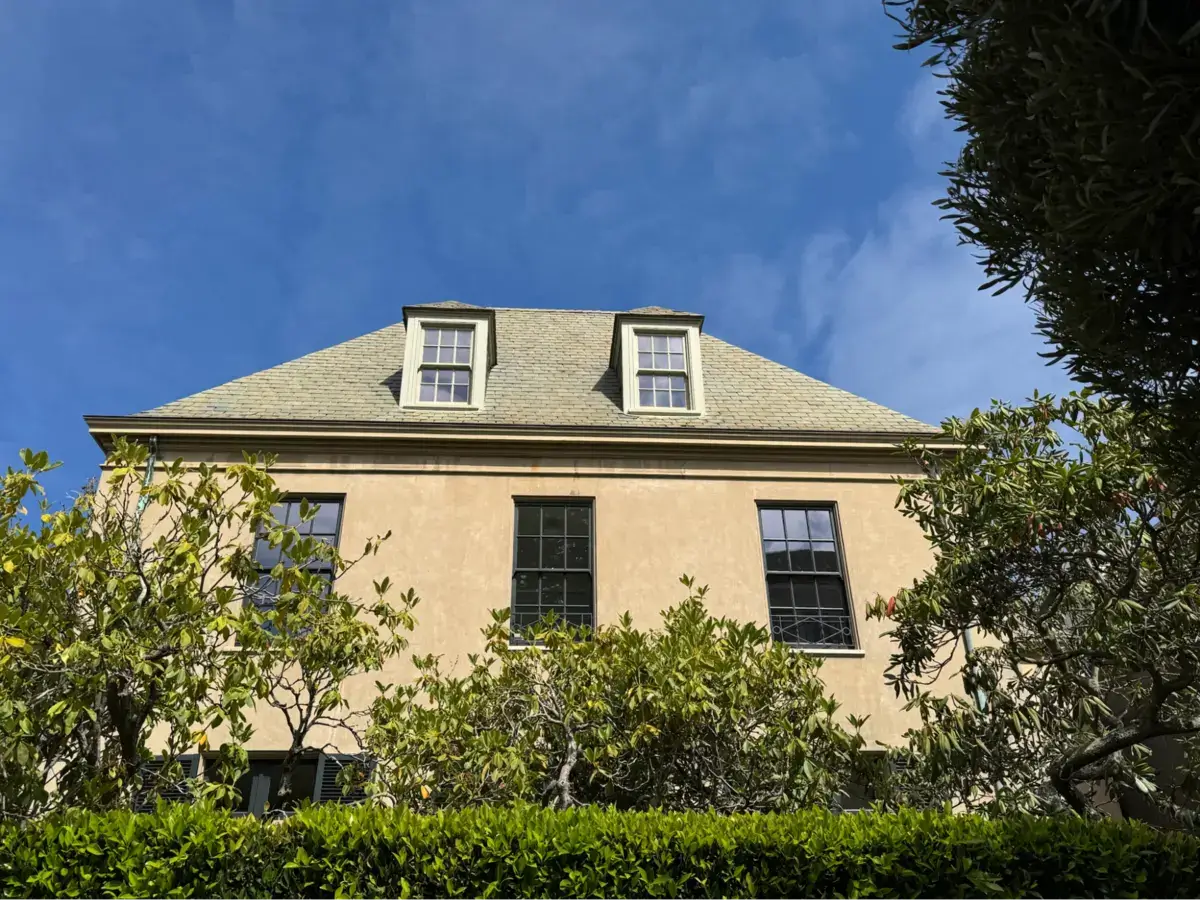
Photo credit: Metaphor Edge
Location: San Francisco, California
Wood Highlights: Smooth stucco walls with subtle mouldings emphasize proportion and rhythm. Stucco moulding profiles at the dormers and eaves add durable definition while maintaining the home’s French-inspired balance.
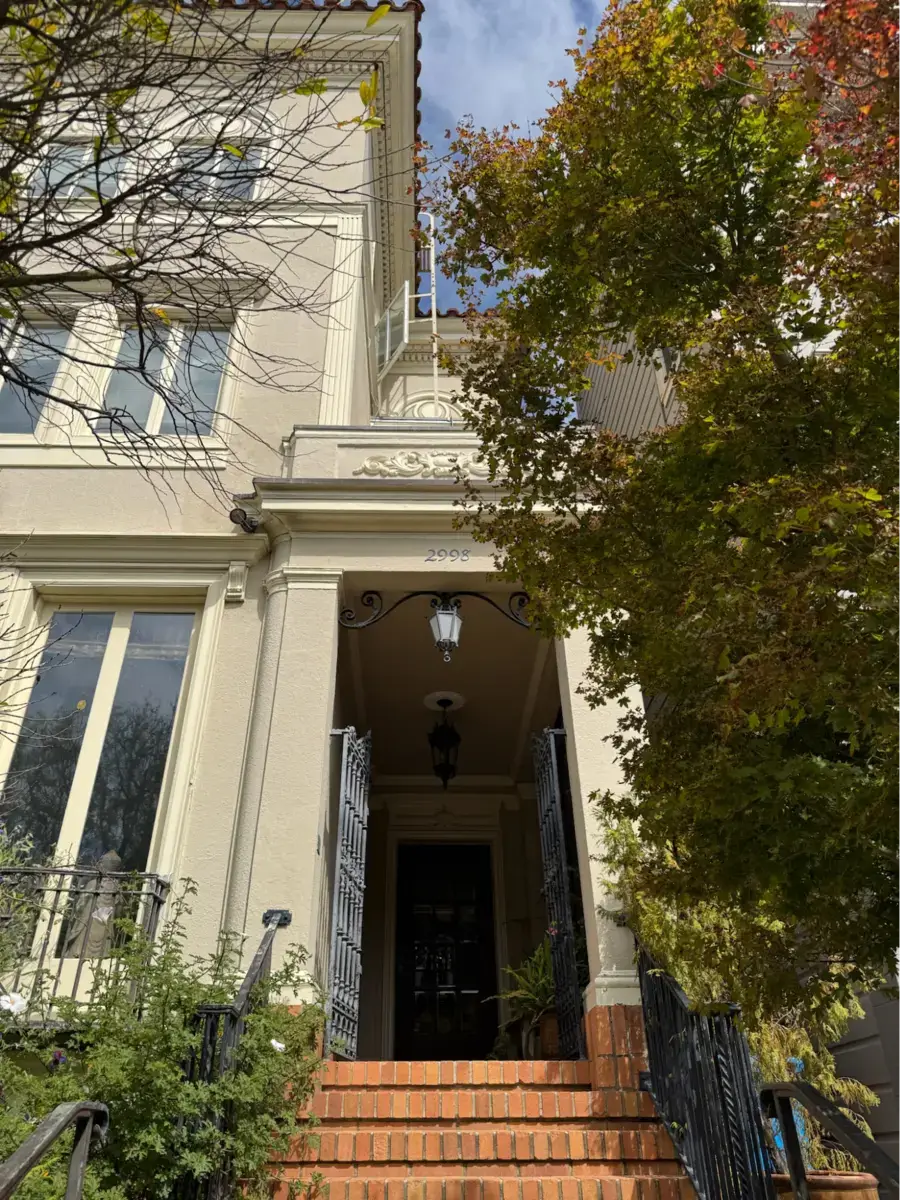
Photo credit: Metaphor Edge
Location: San Francisco, California
Wood Highlights: Stucco walls are framed with classical wood stucco mouldings and ornamental trim at the entry. Tall window casings and decorative details highlight the classical style while protecting vulnerable stucco edges.

Photo credit: Metaphor Edge
Location: San Francisco, California
Wood Highlights: Prominent cornices, balustrades, and decorative stucco moulds highlight the facade, showing how natural wood mouldings articulate stucco walls in historic Neoclassical exterior trim.
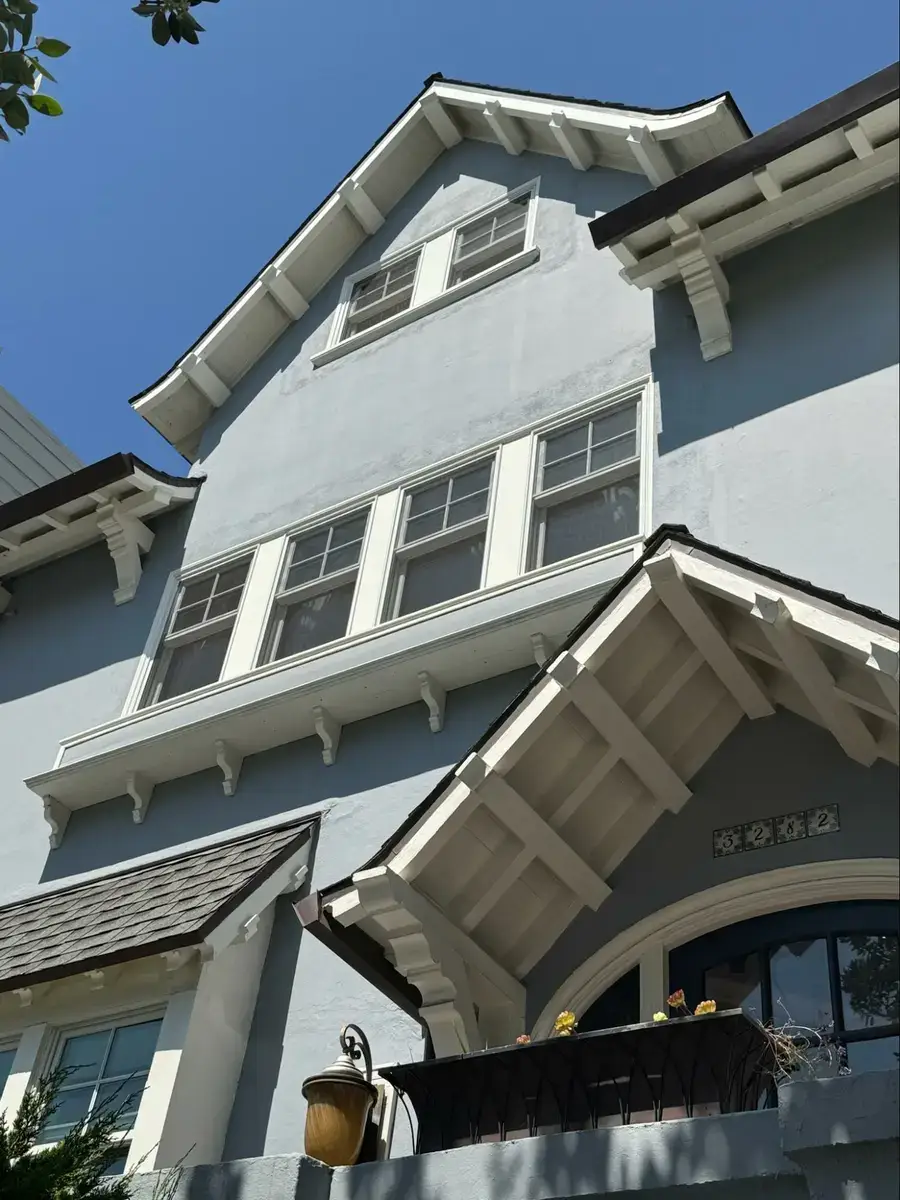
Photo credit: Metaphor Edge
Location: San Francisco, California
Wood Highlights: stucco moulding and trim protect the windows
As outlined in San Francisco Planning’s Preservation Bulletins, Architectural Periods and Styles in San Francisco, architectural styles such as Tudor Revival and Mediterranean frequently use stucco along with moulding details to reinforce the city’s architectural character.
Contemporary Examples
Even today, stucco remains a relevant material when thoughtfully applied:
- Pacific Peninsula combines stucco walls at their Monterey Contemporary XVI residence in Atherton with limestone and wood, creating a sleek, modern interpretation of Mission-inspired design.
- AT6 Architecture + Design Build blends experimental yet approachable forms, often using stucco’s planar qualities to balance modern materials like wood and steel.
- Skurman Architects refreshes Mediterranean and Contemporary Classical forms, using stucco exteriors paired with refined moulding profiles to connect tradition with modern lifestyles.
The fascinating Preservation Bulletin No. 18: Residential and Commercial Architectural Periods and Styles, outlines architectural styles in San Francisco such as Tudor Revival and Mediterranean which frequently use stucco along with stucco moulding details to reinforce the city’s architectural character while contemporary architects continue to reinterpret stucco with equal sophistication.
Replacement of Stucco Moulds
Over decades, exterior profiles weather more than the stucco field. Signs replacement is needed include:
- Splitting or rot at horizontal moulds where water collects
- Warping from sun and temperature exposure
- Surface wear at window and door casings
- Detail loss on decorative mouldings
Because stucco moulds are typically independent wood elements, they can often be replaced without disturbing the entire wall. In cases where mouldings are partially embedded in stucco, careful removal and patching ensures a seamless transition with the new profile.
The Role of Craftsmanship
Stucco moulds must be precise—cut to withstand exterior exposure while maintaining crisp detail. Wood stucco moulds offer the durability, authenticity, and flexibility that synthetic alternatives cannot match. When milled with care, they ensure façades endure as both protective envelopes and architectural statements.
FAQs About Stucco Moulds
Stucco Mould Definition
A stucco mould is a profiled trim piece that frames, edges, or divides stucco walls for protection and style.
Durability of Stucco Moulds
Wood moulds provide long-lasting strength, especially when maintained with protective finishes.
Design Options for Stucco Moulds
Profiles range from flat modern trims to elaborate crowns and historically accurate Tudor details.
Final Thoughts
Stucco moulds transform flat stucco walls into façades of presence. They protect edges, reinforce style, and bring architectural rhythm to homes and civic buildings alike. Whether Tudor, Mediterranean, or contemporary, they remain one of the most enduring profiles in exterior trim.
Further Reading
- Meet Me in the Middle: Astragals Bridge the Gap with Style
- The Art of the Window Sill: Classic Design for Openings
- Wood Gutters Historic Use Offers Functional Design Heritage
Stucco Moulds Made to Order
At Lowpensky, every stucco mould, whether flat, crown, panel divider, or decorative ogee profile, is milled in natural wood for strength and style. We work with architects, builders, and owners to match historic details or create new profiles tailored to contemporary projects.
Visit our catalog or send us your drawings and specifications to start your next project.
DISCLAIMER
The information in this article is provided solely for general informational purposes and does not constitute professional, technical, legal, or regulatory advice. Codes, permitting requirements, and construction standards vary by jurisdiction. Consult a licensed architect, engineer, contractor, professional designer, and your local building authorities before beginning any project. Lowpensky Moulding assumes no responsibility or liability for actions taken based on the content of this article.